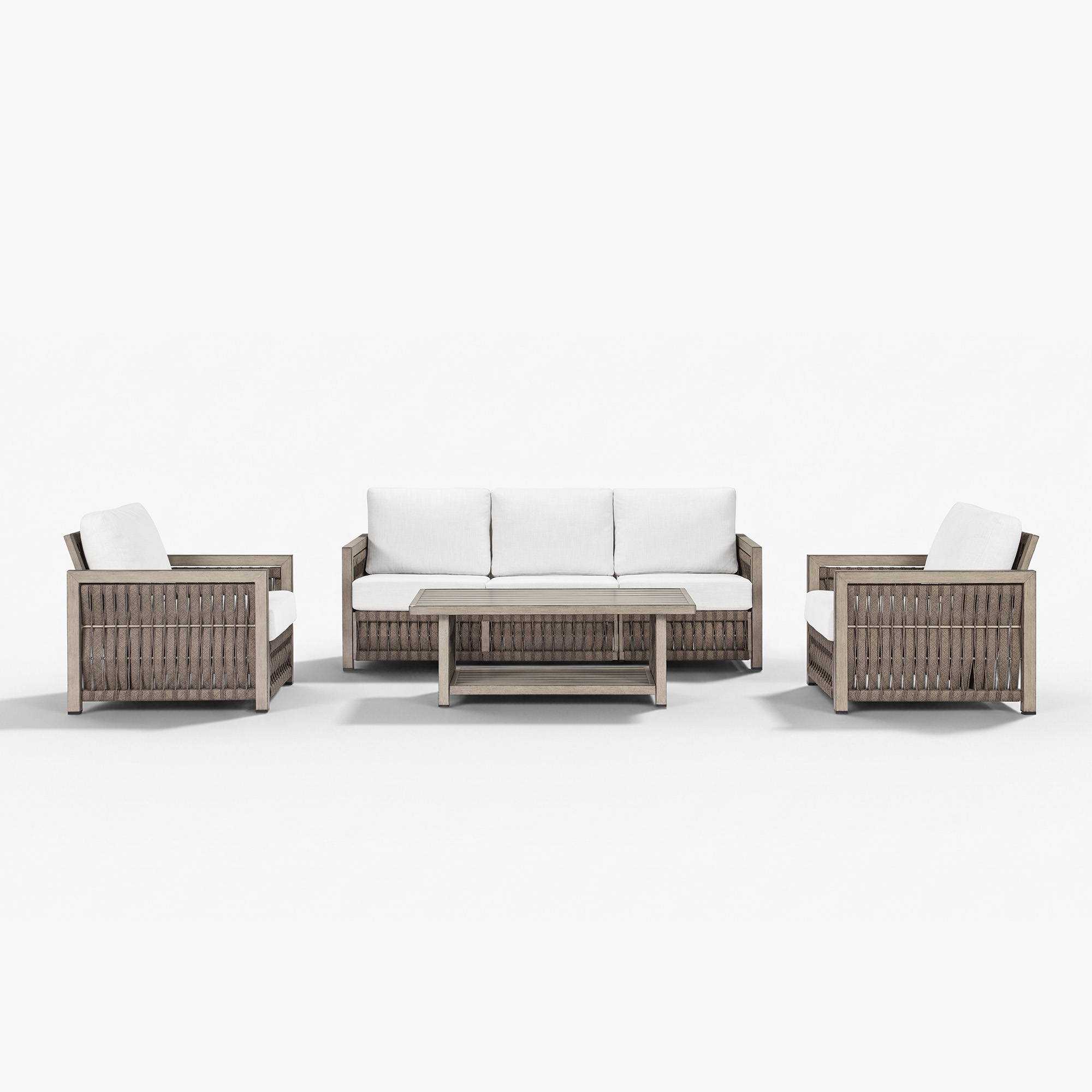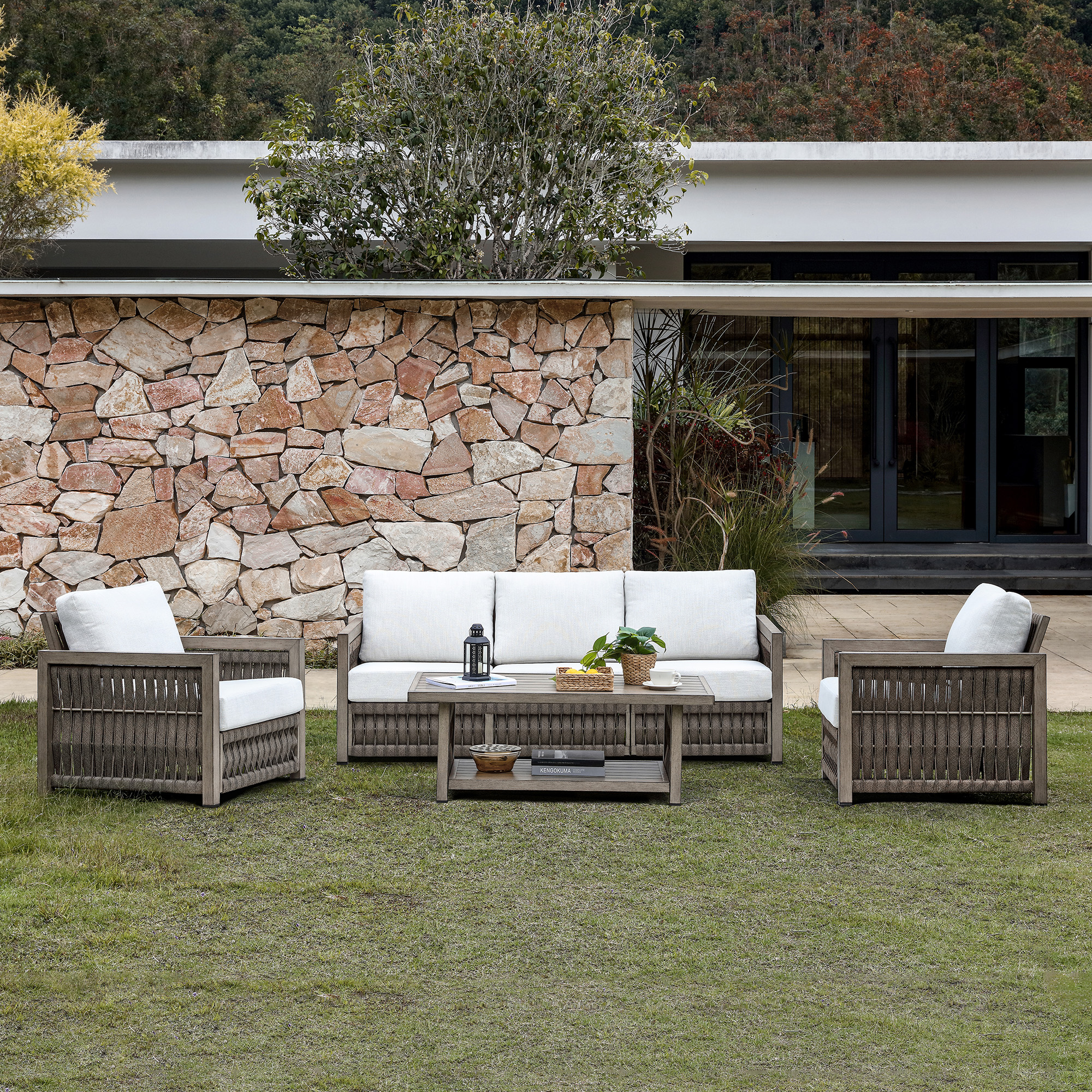
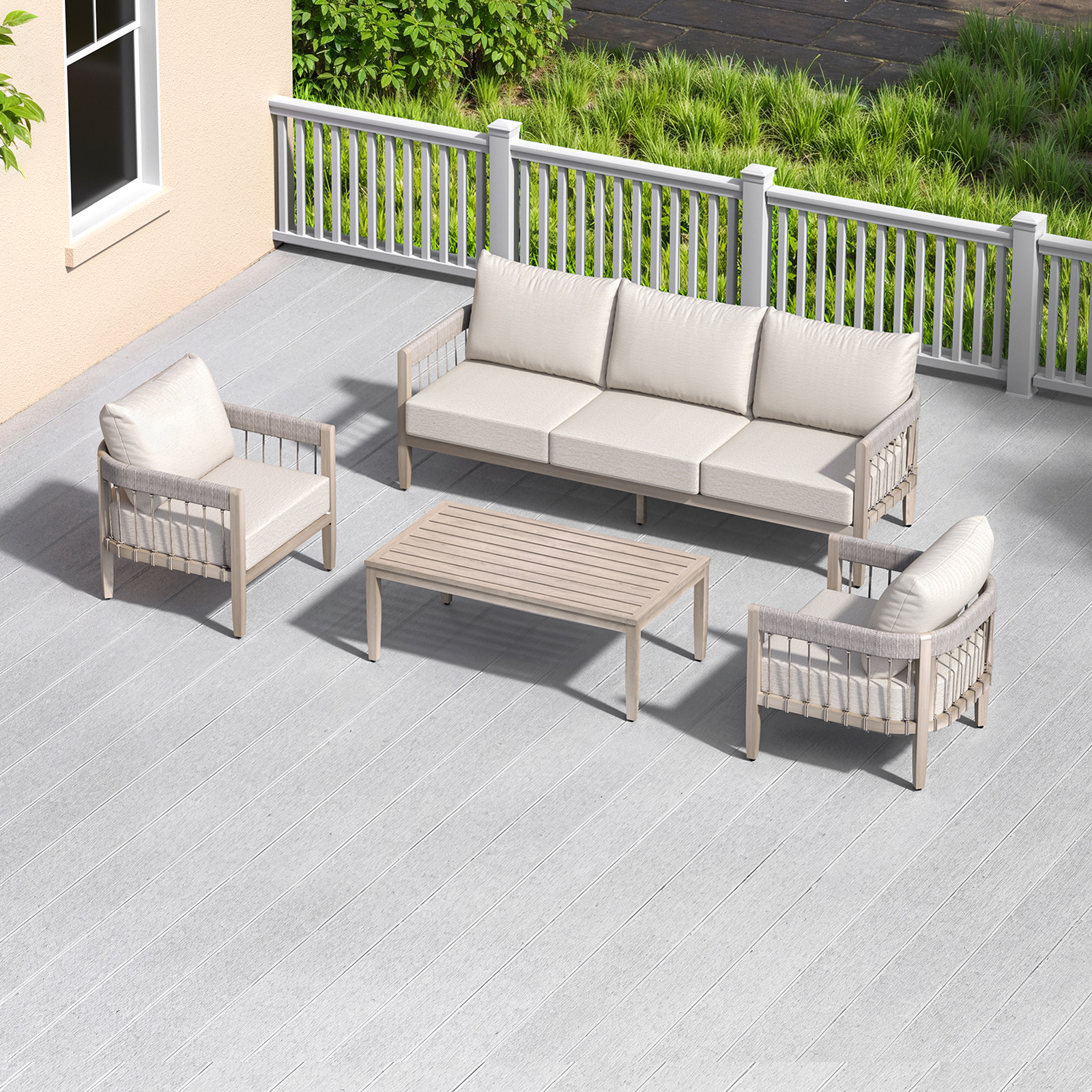
Outdoor Wellness Nooks Turn Simple Patios Into Restorative Retreats
Modern lifestyles often demand constant attention and movement. Outdoor wellness nooks provide intentional spaces for pause and recovery. Instead of using patios only for dining or entertaining, homeowners can dedicate a corner to calm reflection and rest. Outdoor wellness nooks encourage mindful breaks throughout the day. A defined relaxation zone helps separate restorative moments from routine tasks. Even small patios or balconies can support wellness-focused design when arranged thoughtfully. Creating a dedicated nook reinforces consistent relaxation habits. With the right layout and materials, outdoor spaces become supportive environments for mental clarity and physical comfort.
Shade Structures Create A Comfortable And Protected Environment
Protection from direct sunlight forms the foundation of any wellness nook. Excessive sun exposure can cause discomfort and shorten relaxation time. Pergolas, canopy frames, or adjustable umbrellas create gentle shade. Outdoor wellness nooks benefit from layered shading that filters light rather than blocking it completely. Soft shadows promote calm visual ambiance. Shade also reduces surface heat on furniture. Proper coverage allows extended outdoor use during warmer months. Adjustable shade elements adapt to changing sunlight angles throughout the day. This flexibility ensures consistent comfort without constant repositioning. A protected environment supports uninterrupted relaxation.
Comfortable Seating Encourages Longer Moments Of Rest
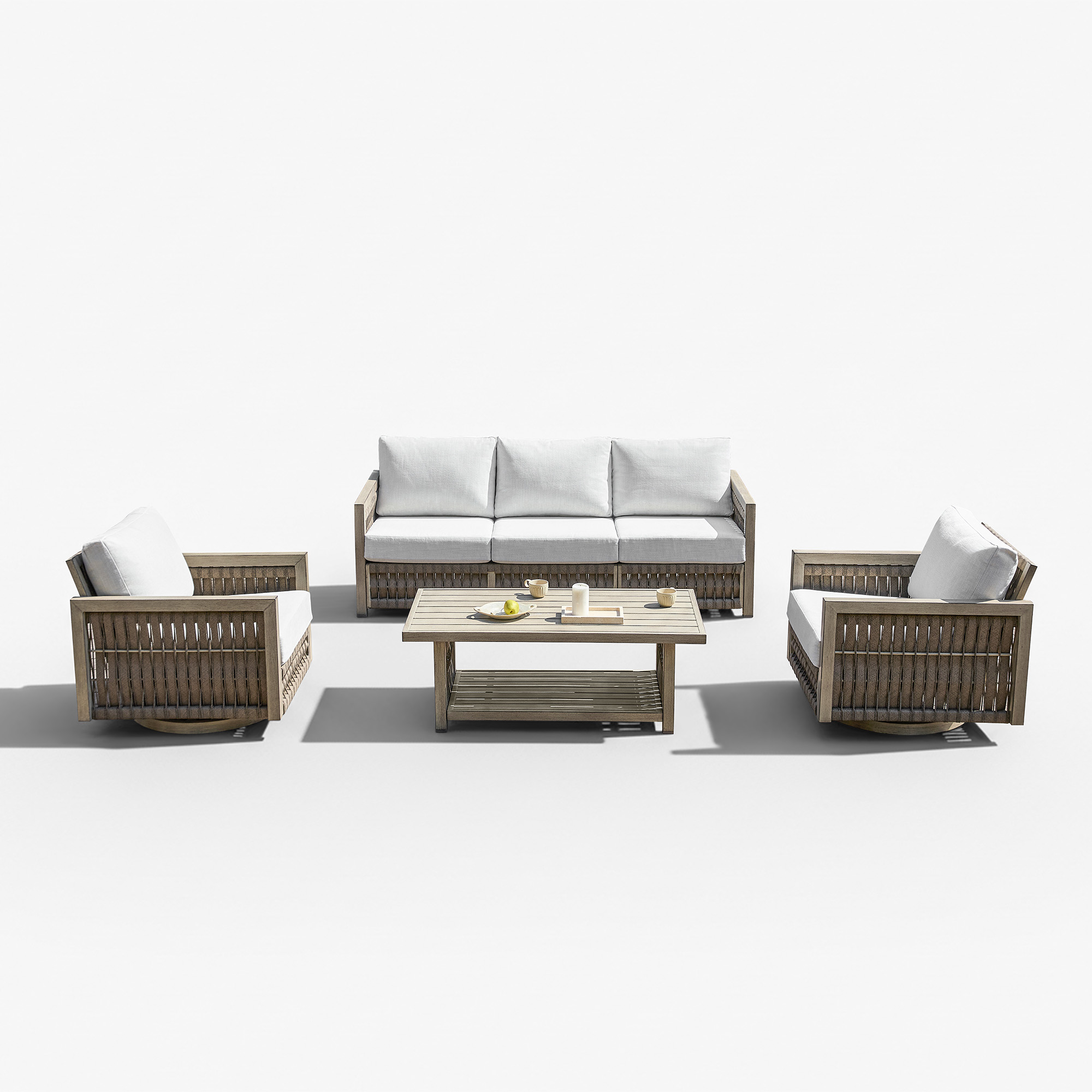
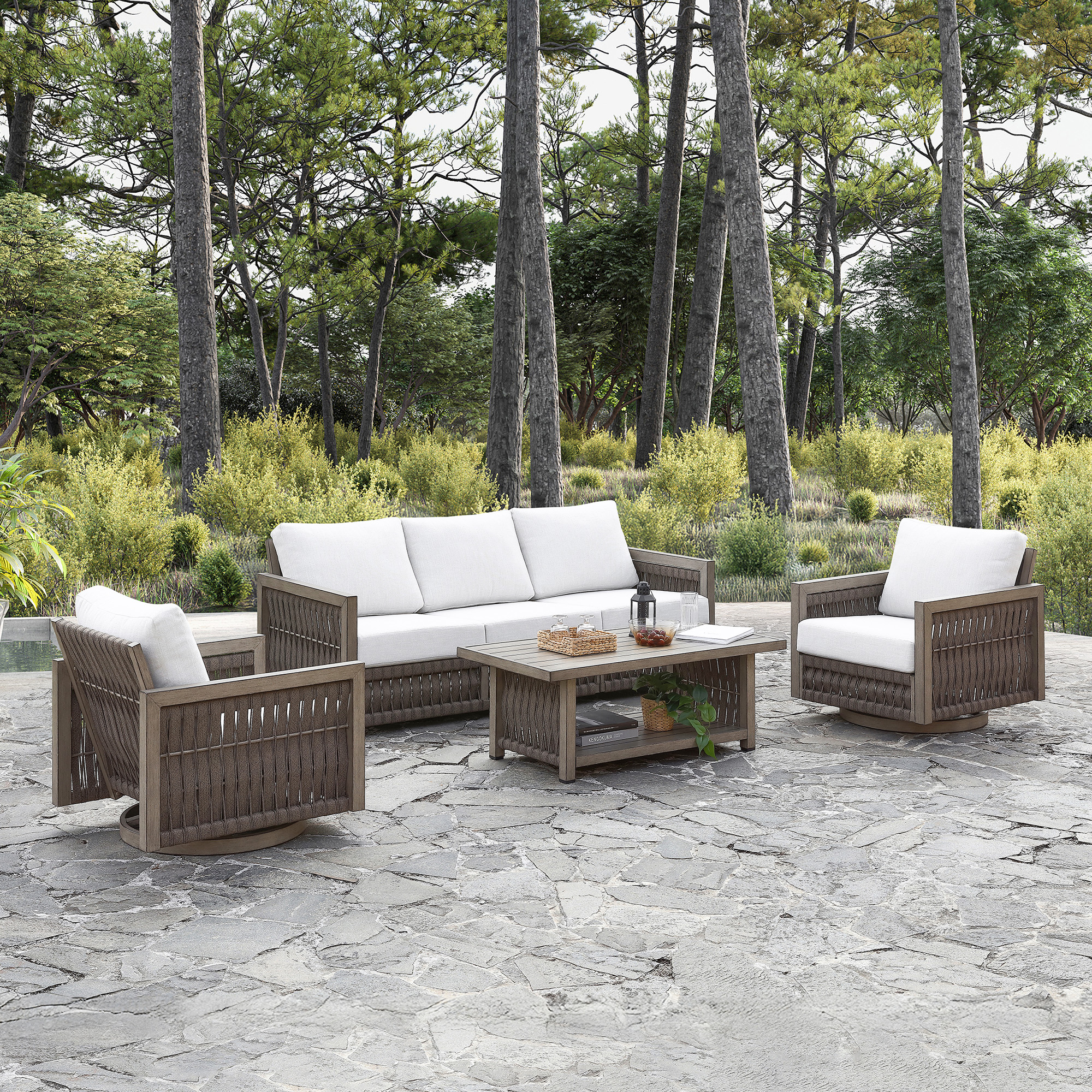
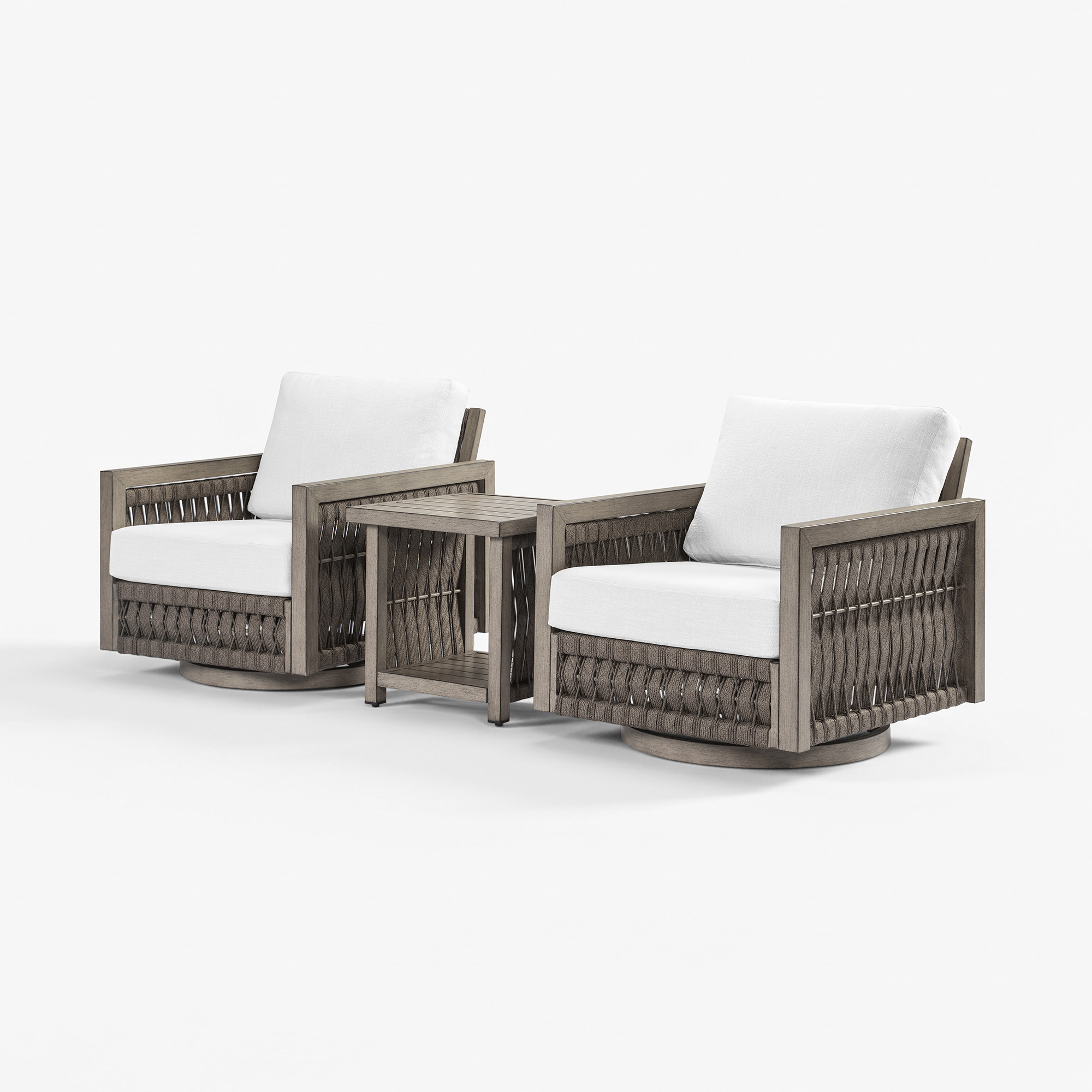
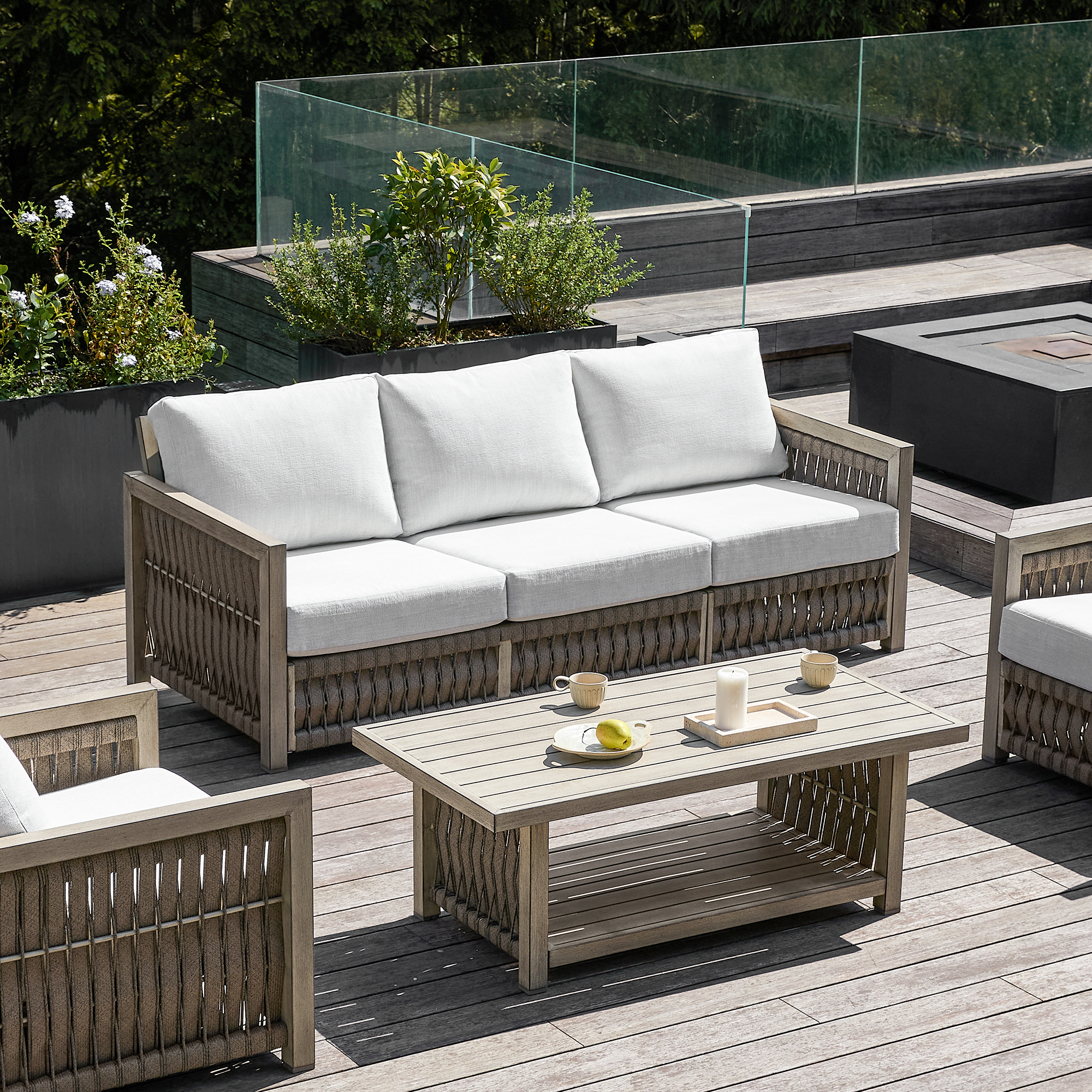
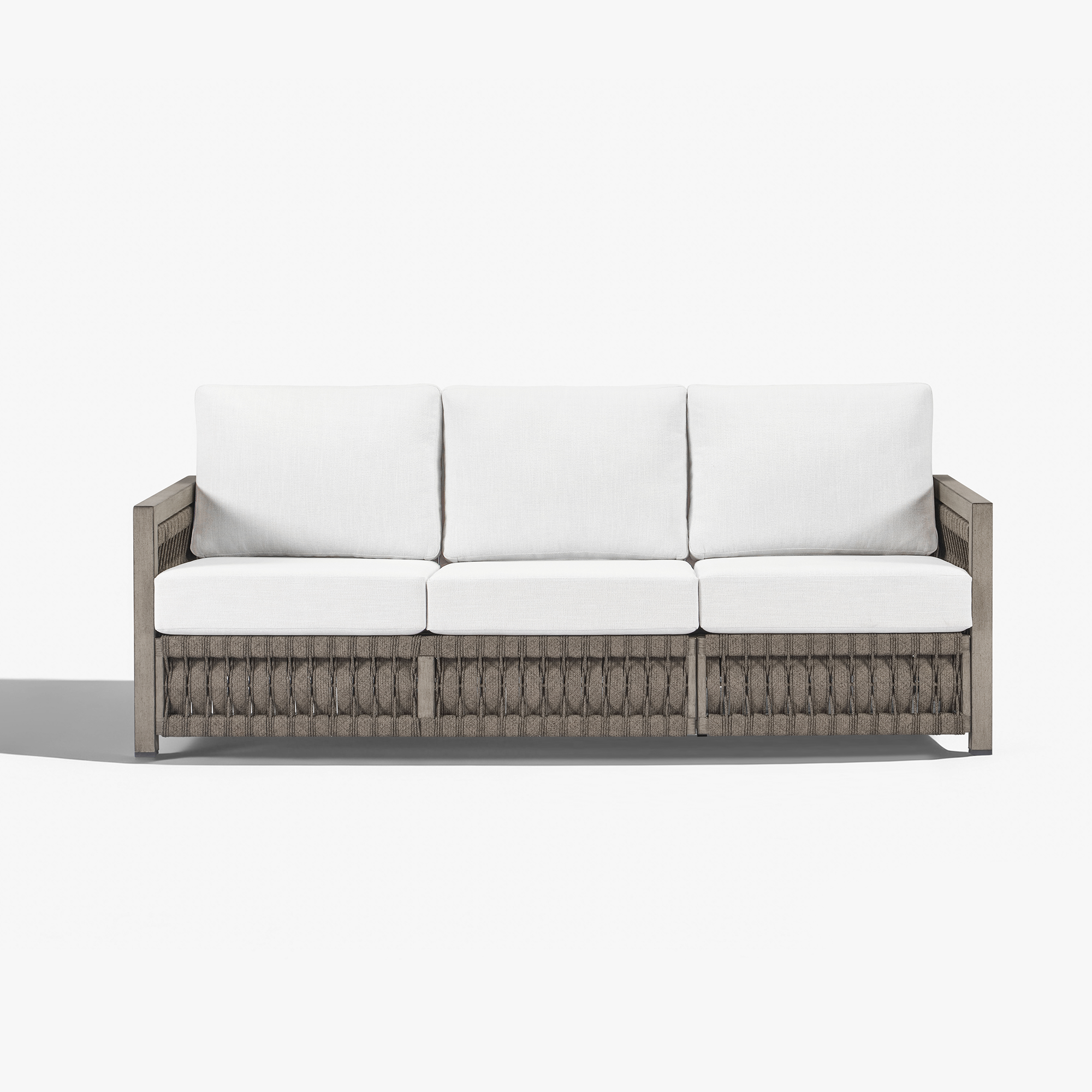
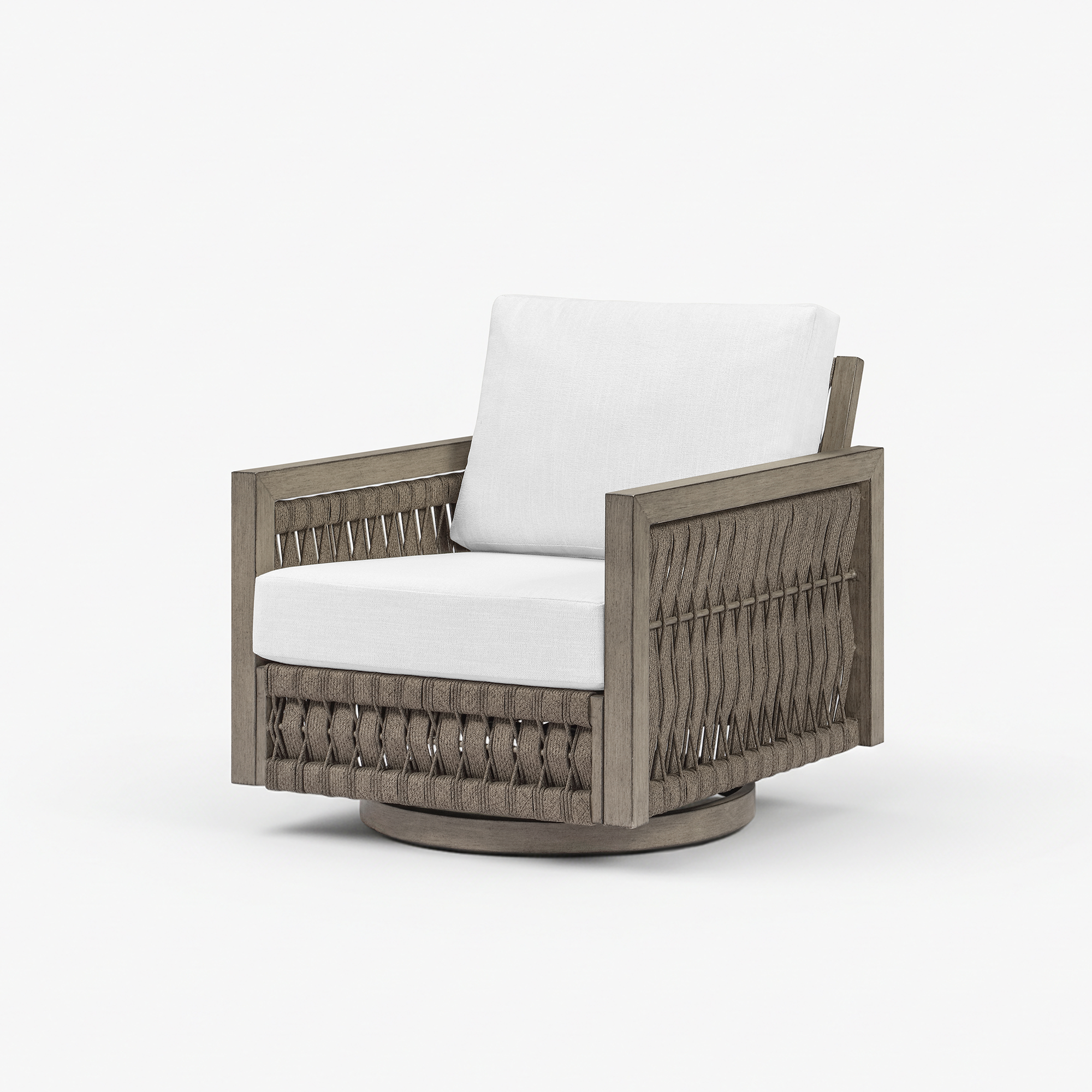
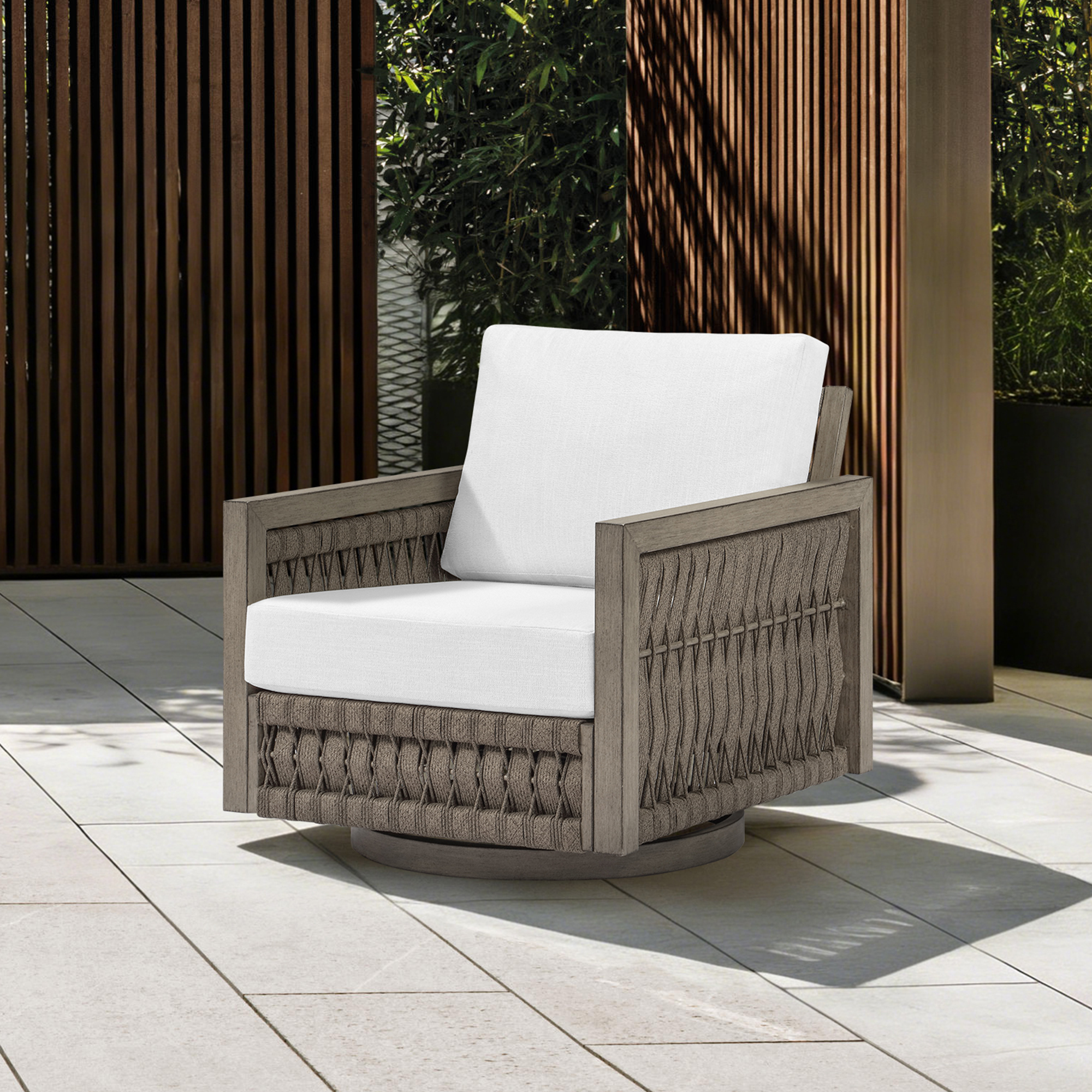
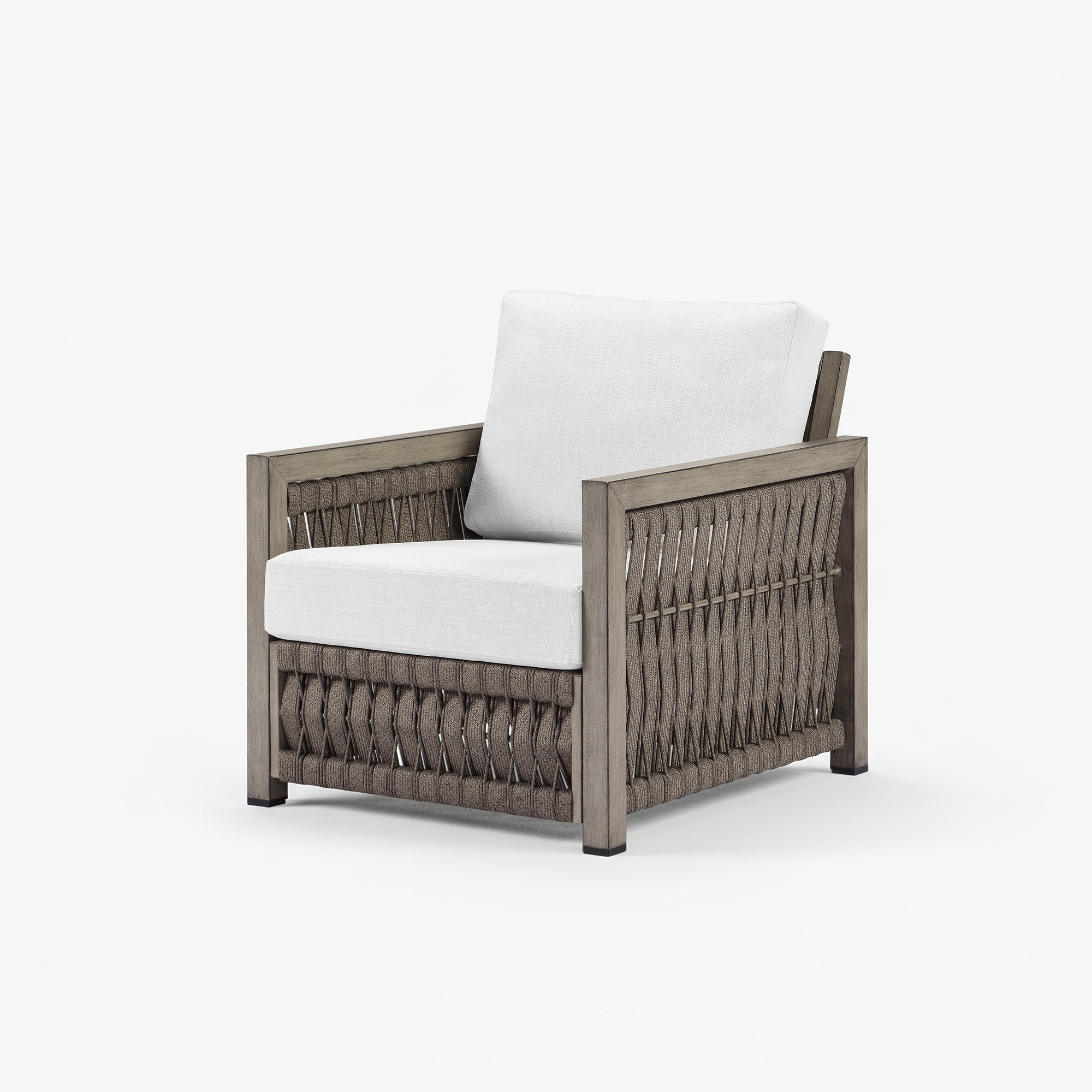
Seating defines the experience of a wellness nook. Suspended hanging chairs introduce gentle motion that enhances relaxation. Deep foam cushions reduce pressure and improve posture support. Outdoor wellness nooks often incorporate ergonomic seating designed for extended comfort. Materials should balance softness with durability. Breathable fabrics prevent overheating during warm weather. Layered cushions and throw pillows add tactile warmth. Comfort influences how frequently the space is used. When seating feels inviting, users naturally spend more time outdoors. Well-chosen seating turns occasional rest into a daily ritual.
Calming Color Palettes Influence Emotional Well-Being
Color selection shapes mood and perception. Earth tones such as warm beige, muted brown, and soft terracotta create grounding effects. Gentle blues and muted greens reflect natural surroundings. Outdoor wellness nooks rely on harmonious color palettes to reduce visual stress. Neutral tones create cohesion between furniture and landscape. Subtle contrast prevents overstimulation. Soft fabrics and painted surfaces can introduce calming accents. Balanced colors promote relaxation without distraction. Over time, consistent visual calm strengthens the restorative quality of the space. Thoughtful color planning supports emotional balance.
Integrating Plants And Natural Elements Enhances Serenity
Nature itself supports well-being. Adding plants and water features strengthens the restorative effect of outdoor wellness nooks. Potted greenery softens hard surfaces and improves air quality. Flowering plants introduce seasonal interest. Small fountains create gentle ambient sound that masks background noise. Natural textures such as wood, stone, and woven materials increase sensory comfort. Outdoor wellness nooks benefit from layered greenery at varying heights. Vertical planters maximize limited space. The presence of living elements reinforces connection with nature. This connection enhances mental clarity and relaxation.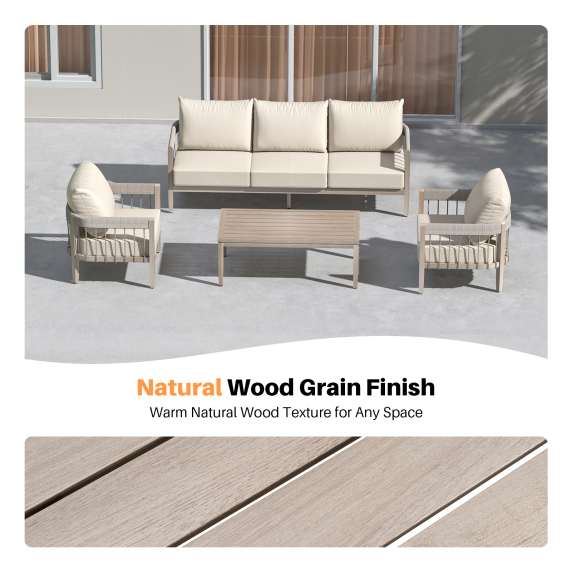
Outdoor Heating Extends Comfort Into Cooler Evenings
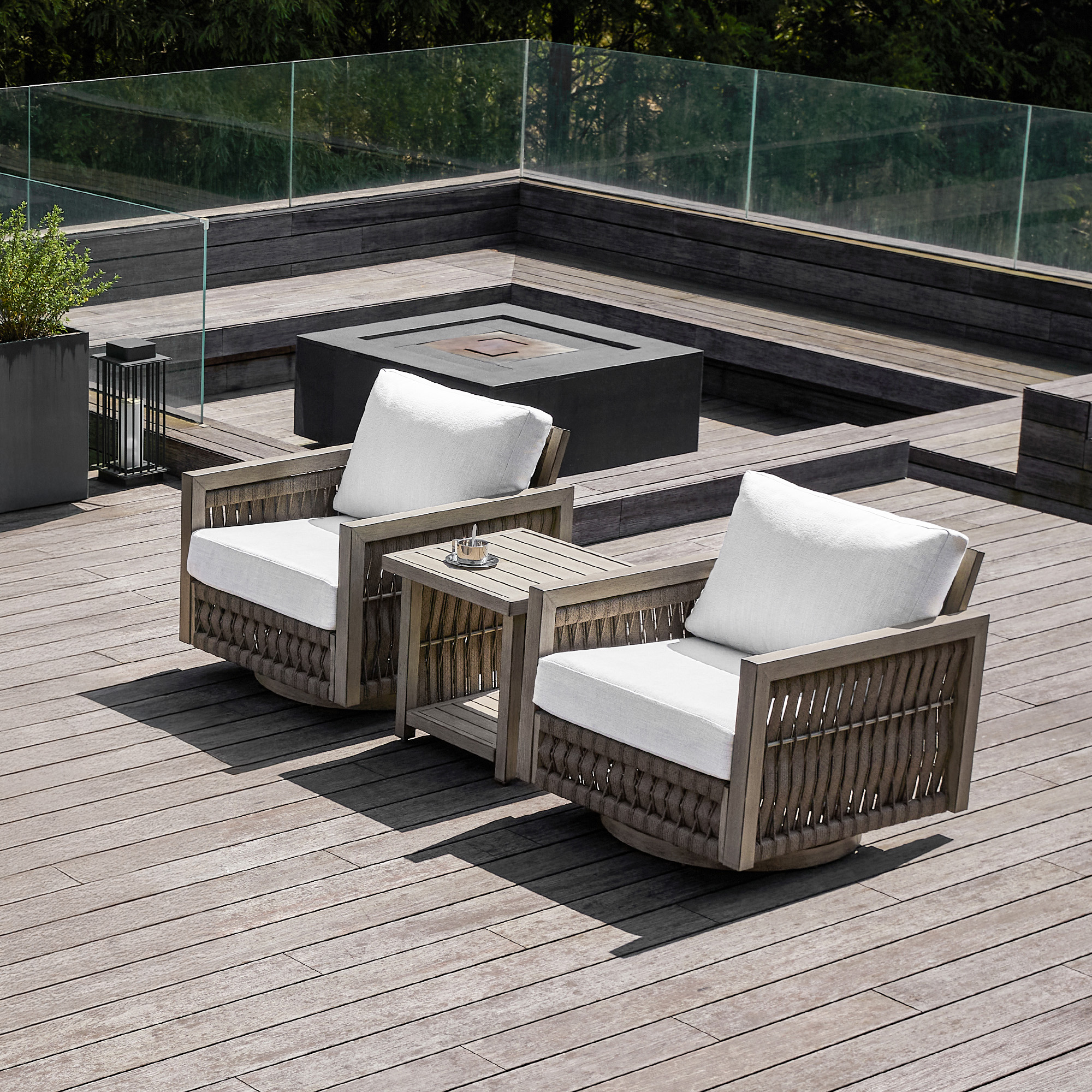
Wellness spaces should remain usable beyond warm afternoons. Outdoor heaters or flame-style lighting introduce warmth and atmosphere. Outdoor wellness nooks benefit from controlled heating solutions that maintain comfort without overwhelming the space. Fire features create a visual focal point and emotional warmth. Subtle heat encourages longer evening relaxation sessions. When temperatures drop, warmth ensures continuity of use. Proper heating design balances safety and comfort. Seasonal adaptability supports year-round well-being. Warm lighting combined with gentle heat transforms patios into inviting nighttime retreats.
Lighting Design Supports Mood And Tranquility
Lighting strongly influences atmosphere. Soft, warm lighting creates intimacy and calm. Outdoor wellness nooks should avoid harsh overhead illumination. String lights, lanterns, or concealed LED strips provide ambient glow. Layered lighting allows flexibility based on time of day. Warm tones encourage relaxation while reducing glare. Subtle illumination highlights plants and textures without overwhelming the senses. Balanced lighting enhances safety while preserving serenity. Evening relaxation improves when lighting supports comfort rather than distraction. Thoughtful lighting strengthens the emotional appeal of wellness-focused outdoor spaces.
Functional Layout Improves Accessibility And Flow
Wellness nooks benefit from thoughtful spatial organization. Furniture placement should allow smooth movement without clutter. Outdoor wellness nooks function best when seating, plants, and accessories maintain visual balance. Small side tables support practical needs such as drinks or books. Storage baskets reduce visual noise. Pathways should remain unobstructed. Even compact balconies can feel spacious with proper arrangement. A well-planned layout encourages frequent use. Accessibility improves comfort and reduces effort. Efficient design ensures relaxation feels natural rather than constrained.
Comparing Key Elements Of An Effective Outdoor Wellness Nook
| Element | Purpose | Wellness Benefit |
|---|---|---|
| Shade Structure | Sun Protection | Extended Outdoor Comfort |
| Ergonomic Seating | Physical Support | Reduced Body Strain |
| Calming Colors | Visual Harmony | Emotional Balance |
| Plants And Water Features | Natural Connection | Stress Reduction |
| Outdoor Heating | Temperature Control | Year-Round Usability |
This comparison illustrates how each design component contributes to overall well-being. Combining these elements transforms simple patios into intentional wellness environments.
Texture And Material Choices Influence Sensory Comfort
Texture enhances relaxation by engaging the senses gently. Outdoor wellness nooks benefit from woven rugs, natural wood finishes, and soft textiles. Layered textures create warmth without visual clutter. Smooth stone surfaces can balance softer fabrics. Selecting weather-resistant yet comfortable materials ensures durability. Texture variation prevents monotony. Sensory diversity increases engagement without overstimulation. Materials should align with the surrounding landscape. Thoughtful material selection strengthens cohesion. Sensory comfort supports longer and more fulfilling relaxation sessions.
Personalization Strengthens Emotional Connection
A wellness nook reflects individual preferences. Decorative elements such as candles, small sculptures, or meaningful objects enhance emotional connection. Outdoor wellness nooks become more inviting when personalized. Customization should remain subtle to preserve tranquility. Personal touches reinforce positive associations with the space. Over time, consistent use builds routine and familiarity. This familiarity increases the restorative effect. Personalization transforms design into experience. A meaningful space supports ongoing relaxation habits.
Long-Term Maintenance Supports Sustainable Comfort
Sustaining a wellness nook requires simple maintenance. Regular cleaning preserves comfort and appearance. Outdoor wellness nooks benefit from weather-resistant fabrics and durable finishes. Protective covers extend furniture lifespan. Pruning plants maintains visual balance. Efficient maintenance ensures the space remains inviting. Consistent upkeep reinforces daily use. Long-term care supports environmental responsibility by reducing replacement needs. Sustainable comfort depends on durability and mindful stewardship.
Frequently Asked Questions About Outdoor Wellness Nooks
What Is The Most Important Element In Creating Outdoor Wellness Nooks?
The most important element in creating outdoor wellness nooks is intentional comfort supported by environmental protection. Shade structures provide the foundation by regulating sunlight and temperature. Without protection from direct exposure, relaxation becomes limited. Comfortable seating then defines how long the space can be enjoyed. Calming colors and natural elements reinforce emotional balance. Each component works together rather than independently. Outdoor wellness nooks succeed when comfort, protection, and visual harmony align. Focusing on these fundamentals ensures the space remains usable and inviting throughout the year.
Can Small Balconies Support Effective Outdoor Wellness Nooks?
Small balconies can successfully support outdoor wellness nooks when designed efficiently. Compact seating such as hanging chairs or cushioned benches maximizes limited space. Vertical planters introduce greenery without crowding floors. Foldable shade options adapt to sunlight changes. Outdoor wellness nooks do not require large areas to feel restorative. Balanced layout and calming color palettes enhance perceived spaciousness. Multi-functional furniture reduces clutter. Even minimal square footage can become a peaceful retreat with thoughtful arrangement. The key lies in prioritizing comfort and harmony over quantity of items.
How Can I Maintain Outdoor Wellness Nooks Year-Round?
Maintaining outdoor wellness nooks year-round requires adaptable design and regular care. Weather-resistant materials protect furniture from seasonal shifts. Outdoor heaters extend usability during cooler months. Protective covers reduce exposure during storms. Regular cleaning preserves fabric quality and visual appeal. Pruning plants maintains balanced aesthetics. Outdoor wellness nooks thrive when maintained consistently rather than occasionally. Sustainable materials reduce long-term upkeep demands. Year-round maintenance ensures the space remains inviting, comfortable, and aligned with wellness goals regardless of season.
.jpg?w=1600&h=1600)