
Why Proportion Matters In Compact Outdoor Living
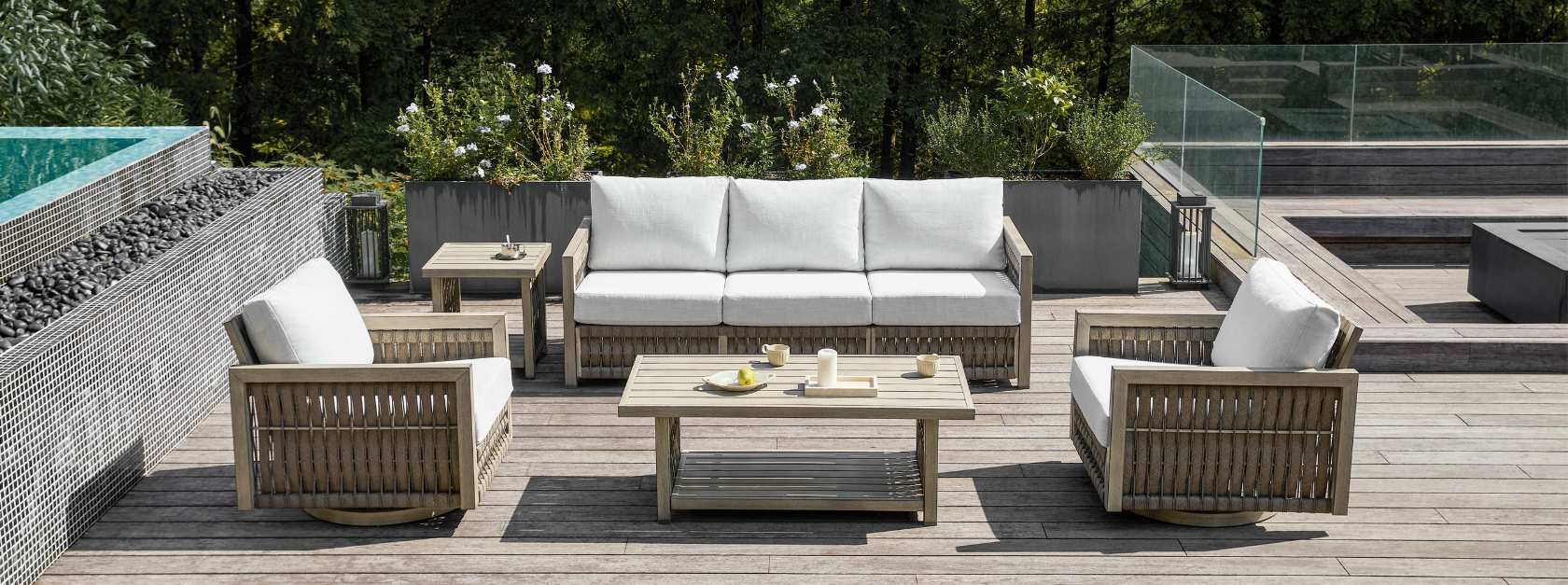
Small patios require precise furniture scaling. Oversized seating can quickly dominate limited square footage and restrict movement. The best outdoor sofas for small spaces are intentionally designed with controlled dimensions that prioritize comfort without excess volume. Narrower profiles help maintain clear walkways. Balanced seat depth ensures usability without pushing furniture too far into functional zones. When proportion aligns with available space, patios feel organized rather than cramped. Thoughtful scaling transforms tight outdoor areas into usable extensions of the home. Comfort becomes achievable not through size, but through intelligent design choices that respect spatial limits.
Key Design Features That Maximize Space Efficiency
The best outdoor sofas for small spaces share several essential structural features that enhance usability while minimizing visual weight.
-
Slim armrests that reduce overall width without sacrificing seating area.
-
Raised legs that expose floor space and create a lighter appearance.
-
Seat depth between 20–22 inches for ergonomic balance.
-
Streamlined backrests that avoid excessive bulk.
-
Modular sections that adapt to layout changes.
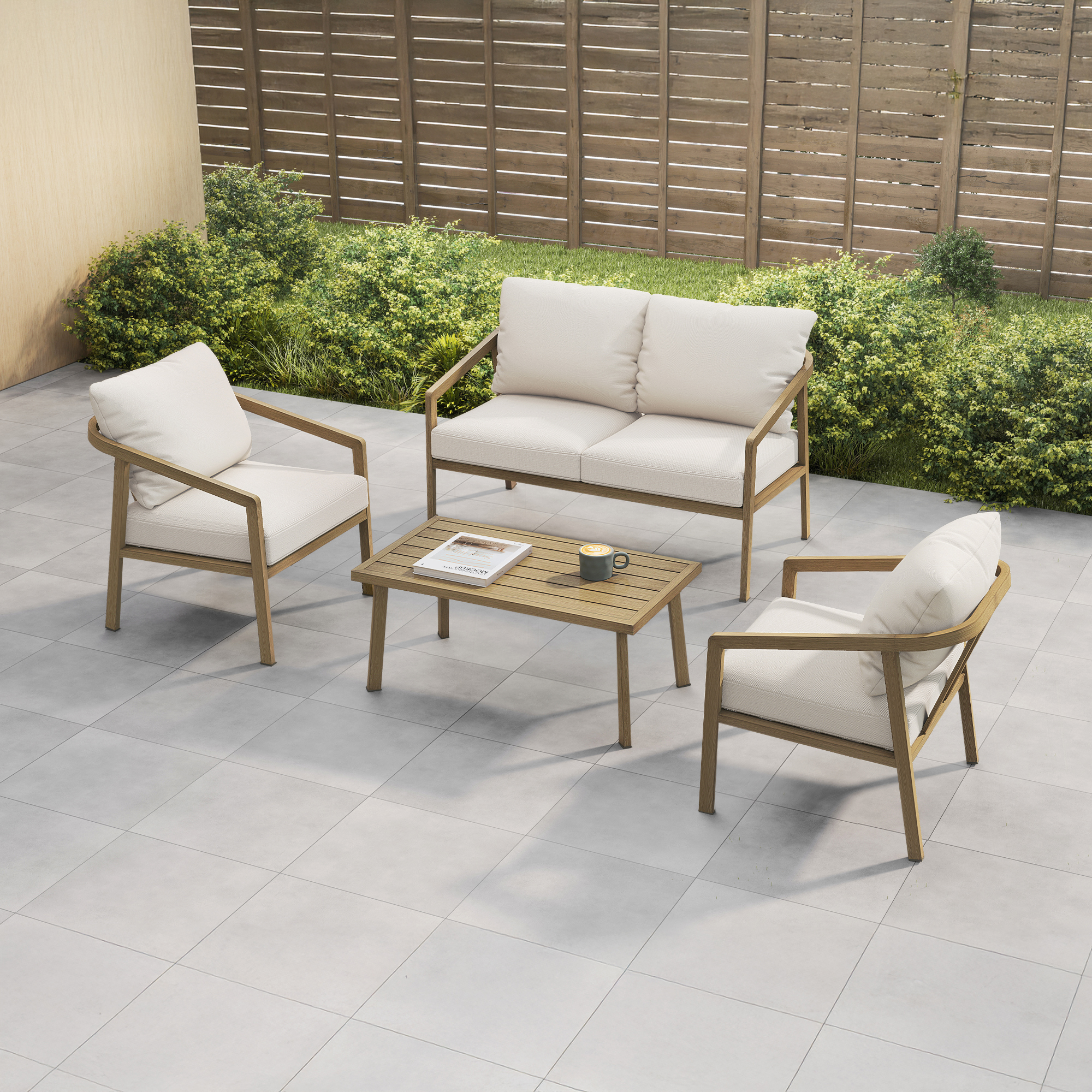
These features collectively reduce physical footprint and visual heaviness. Slim arms preserve valuable inches. Elevated bases allow light to flow beneath furniture. Balanced seat depth maintains comfort while preventing overextension into circulation areas. Modular elements support flexibility when rearranging small patios. Each feature plays a role in preserving openness. When combined, they create seating that feels intentionally designed for compact living rather than simply scaled-down versions of larger sofas.
Raised Legs Create Visual Breathing Room
Furniture that sits directly on the ground can appear dense and immovable. Raised-leg sofas visually expand the patio floor plane. The best outdoor sofas for small spaces often feature tapered or minimalist metal legs that lift the frame several inches above the surface. This exposed space allows light to circulate underneath, creating an airy aesthetic. Elevated designs also make cleaning easier. Leaves and debris can be removed without lifting heavy furniture. Improved airflow beneath cushions supports durability in humid climates. Visual lightness and practical maintenance advantages make raised bases particularly beneficial for small outdoor areas.
Seat Depth And Cushion Balance For Daily Comfort
Comfort should never be sacrificed for compactness. Seat depth between 20 and 22 inches provides ideal support for upright conversation and relaxed lounging. The best outdoor sofas for small spaces carefully balance cushion thickness and frame scale. Overly deep seating can overwhelm patios and limit movement. Shallow seating can feel restrictive. Medium-density foam paired with breathable outdoor fabric enhances long-term comfort. Balanced ergonomics allow users to sit comfortably without sprawling excessively. Proper seat proportion ensures daily usability. Compact sofas remain inviting rather than purely decorative when cushion support and depth are thoughtfully engineered.
Light-Colored Upholstery Expands Perception
Color significantly influences how space is perceived. Light fabrics reflect sunlight and visually enlarge compact patios. The best outdoor sofas for small spaces frequently use neutral shades such as soft beige, pale gray, or warm ivory. These tones brighten the environment and reduce visual density. Light upholstery pairs effectively with natural stone, tile, or wood decking. Modern performance fabrics resist fading and moisture even in lighter colors. Bright surfaces enhance the sense of openness. When combined with slim silhouettes, lighter upholstery transforms tight patios into welcoming retreats that feel larger than their measurements suggest.
Smart Companion Pieces Improve Functionality
Complementary furniture choices play an essential role in small-space comfort. Selecting adaptable pieces ensures flexibility without crowding.
-
Nesting coffee tables that tuck away when not in use.
-
Compact side tables with vertical storage.
-
Storage ottomans for blankets or cushions.
-
Slim-profile planters to maintain greenery without obstruction.
Nesting tables expand during gatherings and retract afterward. Storage ottomans reduce clutter by hiding seasonal accessories. Vertical storage options minimize horizontal sprawl. These supporting elements work alongside the best outdoor sofas for small spaces to maximize efficiency. Coordinated selections ensure patios remain organized and adaptable. Smart accessories enhance usability while maintaining clear circulation paths.
Clearance Planning Prevents Cramped Layouts
Placing sofas directly against walls may seem practical, but leaving minimal clearance improves real-world comfort. Users naturally lean back and adjust posture. The best outdoor sofas for small spaces should allow modest breathing room behind or beside them. Even a few inches enhance flexibility. Circulation space around furniture improves safety and usability. Walkways should remain unobstructed to avoid congestion. Thoughtful spacing preserves openness. Strategic placement ensures compact patios feel functional rather than tightly packed. Layout planning is as important as furniture selection in maximizing relaxation.
Storage Ottomans Add Dual-Purpose Comfort
Storage ottomans serve as both seating extensions and concealed compartments. In small patios, hidden storage is invaluable. The best outdoor sofas for small spaces often coordinate with matching storage footrests that hold blankets or outdoor accessories. This multifunctional approach reduces the need for additional cabinets. Clutter decreases, and organization improves. Dual-purpose elements enhance efficiency. Outdoor living becomes simpler when each piece contributes beyond its primary role. Storage integration supports long-term comfort by keeping essentials accessible yet neatly contained.
Comparison Table: Essential Specifications For Small Patios
| Specification | Recommended Range | Benefit For Small Spaces |
|---|---|---|
| Seat Depth | 20–22 Inches | Balanced Comfort And Footprint |
| Arm Width | Under 4 Inches | Maximized Seating Area |
| Leg Height | 4–6 Inches | Improved Visual Openness |
| Fabric Color | Light Neutral Tones | Enhanced Brightness |
| Ottoman Type | Storage-Integrated | Clutter Reduction |
These specifications demonstrate how dimension control directly affects usability. Selecting sofas within these ranges ensures patios remain balanced and functional. Careful measurement prevents overcrowding. Proportional design improves both movement and visual comfort.
Material Durability Supports Long-Term Use
Outdoor sofas must endure changing weather conditions. Powder-coated aluminum frames resist rust while remaining lightweight. Quick-dry foam cushions prevent moisture buildup. The best outdoor sofas for small spaces combine compact design with weather-resistant construction. Smaller patios often lack covered storage areas. Furniture stays exposed to sun and rain. Durable materials extend product lifespan. Investing in high-quality construction reduces replacement frequency. Long-term resilience ensures that comfort remains consistent year after year. Durability and size efficiency should always work together in outdoor furniture selection.
Final Thoughts On Maximizing Small Patio Comfort
Compact patios can deliver exceptional relaxation when designed intelligently. The best outdoor sofas for small spaces focus on proportion, multifunctionality, and visual lightness. Slim arms preserve seating width. Raised legs enhance openness. Balanced seat depth supports everyday use. Storage solutions minimize clutter. Complementary nesting tables maintain flexibility. When these elements combine, small outdoor areas feel intentional rather than restricted. Comfort does not depend on square footage alone. Through thoughtful design and careful layout planning, compact patios can become highly functional and inviting extensions of indoor living spaces.
Frequently Asked Questions
What Size Sofa Is Ideal For A Small Patio?
The ideal sofa size depends on patio dimensions, but models under 75 inches in width generally suit compact areas. The best outdoor sofas for small spaces emphasize slim arms and balanced seat depth between 20 and 22 inches. Raised legs prevent visual heaviness. Measuring available space before purchase ensures proper clearance for movement. Compact proportions combined with thoughtful placement help preserve usability. Selecting moderate dimensions allows comfortable seating without overwhelming limited square footage.
Are Storage Ottomans Necessary In Small Outdoor Areas?
Storage ottomans are not mandatory but highly beneficial. In compact patios, hidden storage reduces clutter and enhances organization. The best outdoor sofas for small spaces often pair with dual-purpose ottomans that function as extra seating or footrests. Storing blankets or cushions inside eliminates the need for additional cabinets. This multifunctional approach maximizes limited square footage. Efficient storage directly supports a cleaner and more comfortable environment.
Do Light Fabrics Require More Maintenance Outdoors?
Modern outdoor textiles are engineered for durability. Light-colored fabrics used in the best outdoor sofas for small spaces often feature UV resistance and water-repellent treatments. While lighter tones may show dirt more easily, routine cleaning prevents buildup. Performance fabrics resist fading and moisture damage. Choosing removable cushion covers simplifies maintenance. With proper care, light upholstery remains practical while enhancing visual spaciousness in compact patios.