
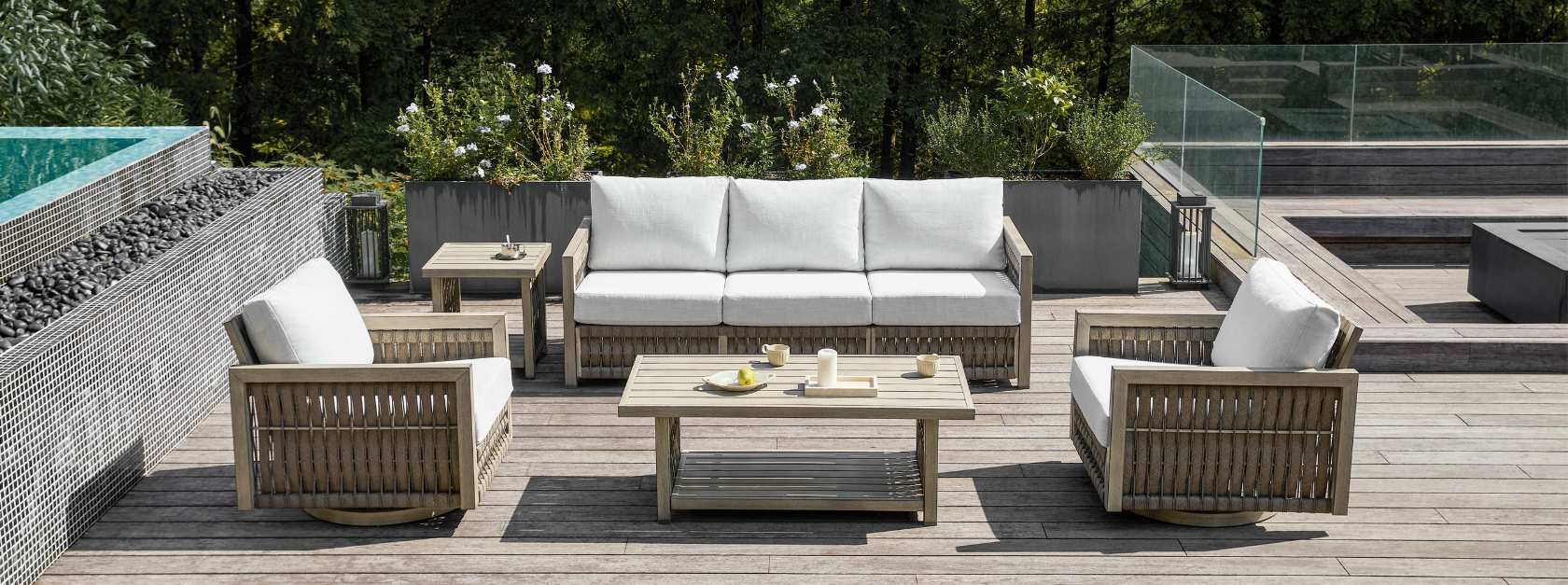
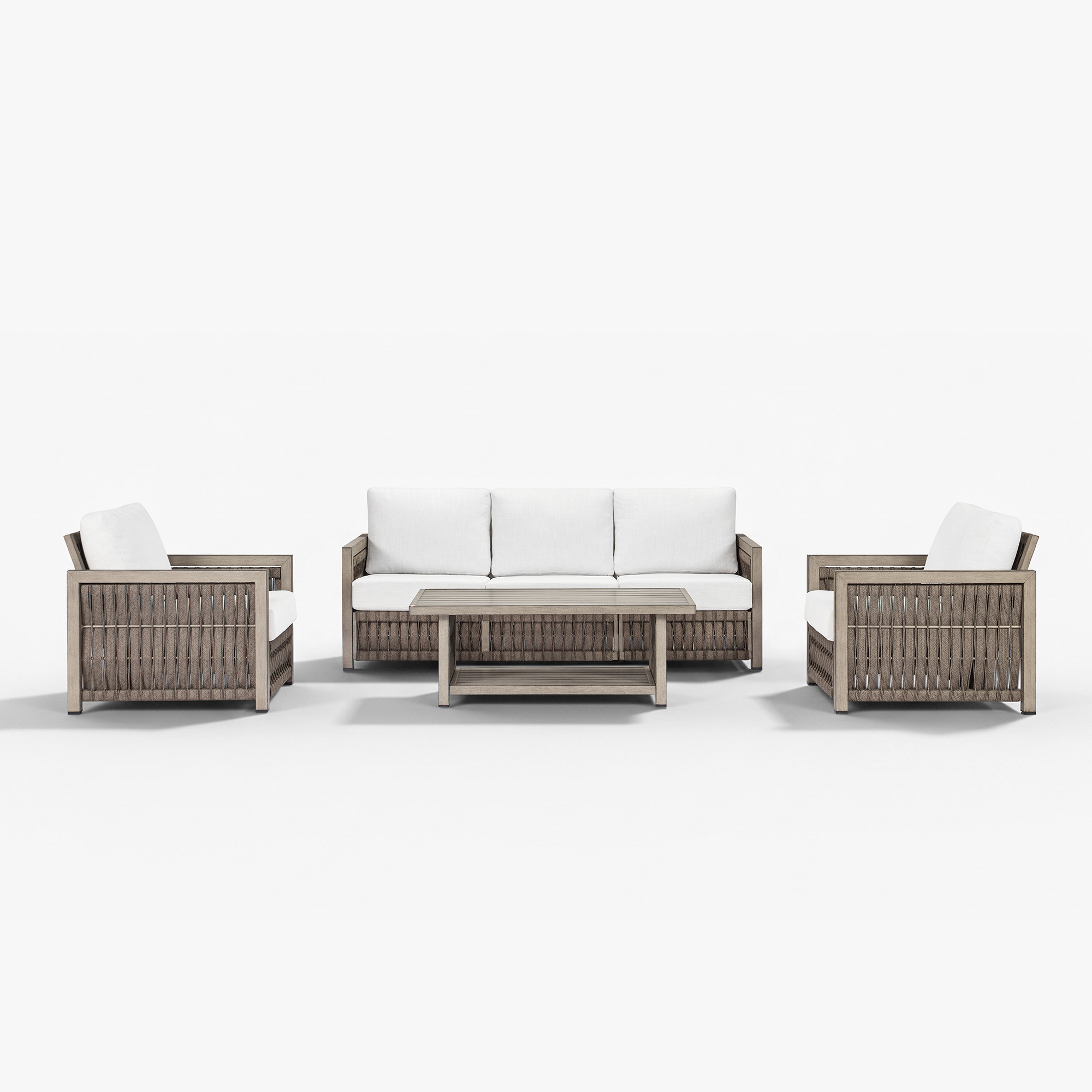

What Is a 5 Piece HDPE Patio Dining Set With Umbrella Hole?
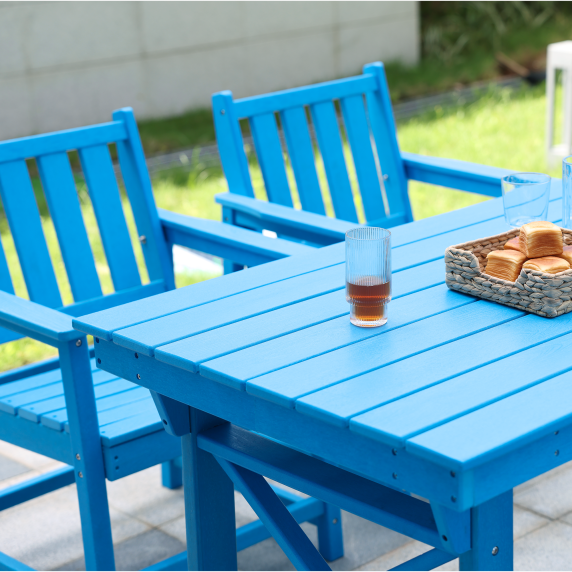
A 5 piece HDPE patio dining set with umbrella hole typically includes one dining table and four chairs. This configuration suits family meals, casual gatherings, and everyday outdoor dining. The umbrella opening allows compatible patio umbrellas to provide shade during sunny afternoons. High-density polyethylene (HDPE) offers another advantage because it resists moisture without the rot associated with untreated wood. Buyers should still examine the table dimensions, chair construction, and overall stability before making a decision. A well-designed set balances comfort, weather resistance, and practical use. Its value depends on material quality, assembly, and compatibility with outdoor accessories. These details matter more than appearance alone when selecting furniture for regular outdoor use.
How Does HDPE Work in Outdoor Dining Furniture?
HDPE is a thermoplastic polymer made from high-density polyethylene resin. Manufacturers process this material into molded components or lumber-like boards for outdoor furniture. Its low moisture absorption helps prevent the swelling, rotting, and splintering associated with some wood products. Unlike unprotected steel, HDPE does not rust when exposed to rain. However, not every plastic furniture product offers the same performance. Resin quality, wall thickness, reinforcement, and manufacturing methods influence rigidity and durability. Buyers should check whether the manufacturer uses solid boards, molded sections, or hollow profiles. Each construction method affects weight, strength, and price. Reliable specifications help shoppers compare products instead of relying on broad claims about plastic furniture.
Why Do UV Protection and Weather Resistance Matter?
Outdoor furniture faces sunlight, temperature changes, rain, humidity, and airborne dirt. Ultraviolet radiation can gradually weaken some polymers and cause surface fading. Manufacturers may add UV stabilizers and pigments to improve resistance to these effects. However, the actual performance depends on the formulation and manufacturing process. Buyers should look for clear information about UV protection rather than assuming every HDPE product performs equally. Temperature changes also cause plastic components to expand and contract. Properly designed joints and fasteners accommodate this movement without unnecessary stress. In coastal areas, corrosion-resistant hardware can also help maintain structural integrity. These details influence long-term performance and reduce avoidable maintenance. Furniture exposed to intense sunlight or harsh weather deserves especially careful evaluation.
How Does HDPE Compare With Wood, Metal, and Other Plastics?
Material comparisons help buyers identify the right balance between maintenance, appearance, and structural performance. Natural wood offers distinctive grain patterns, but some species require regular sealing or staining. Powder-coated metal provides rigidity, although damaged coatings can expose vulnerable metal surfaces to moisture. Polypropylene furniture often weighs less, but its strength depends on design, formulation, and component thickness. HDPE offers a practical alternative because it resists moisture and generally requires little routine care. Nevertheless, shoppers should not assume every HDPE product outperforms every competing material. Frame geometry, manufacturing quality, hardware, and environmental exposure all affect service life. The following table summarizes common differences and highlights the specifications worth checking before comparing individual products.
| Material | Weather Resistance | Maintenance | Main Consideration |
|---|---|---|---|
| HDPE | Resists moisture and rot | Generally low | UV protection and construction quality |
| Natural wood | Varies by species and finish | May require periodic treatment | Moisture management and surface care |
| Powder-coated metal | Depends on coating and metal type | Usually moderate | Coating damage and corrosion risk |
| Polypropylene | Depends on formulation and UV additives | Generally low | Thickness and structural rigidity |
Which Structural Features Determine Furniture Durability?
Strong outdoor furniture depends on more than the material listed in a product description. Examine the tabletop thickness, leg dimensions, crossbars, joints, and connections between the seat and frame. These components distribute loads and help prevent wobbling during regular use. Solid HDPE boards may feel substantial, but their dimensions and support arrangements still matter. Hollow components can also perform well when manufacturers engineer them for the intended load. Check whether the chair legs include cross-supports and whether the table has reinforcement beneath its top. Hardware deserves equal attention because loose connections can reduce stability over time. Stainless steel or suitably corrosion-resistant fasteners can help outdoor joints withstand moisture. Manufacturer specifications and assembly instructions provide better evidence than appearance alone.
How Should You Measure Your Patio Before Buying?
Measure the available dining area before choosing a table or chair configuration. Record the length and width of the usable space, excluding areas blocked by permanent fixtures. Then compare those measurements with the complete furniture dimensions, including chair backs and armrests. A compact patio may accommodate a four-person set, but insufficient clearance can make seating uncomfortable. Allow room for people to pull chairs backward, sit down, and move around the table. Nearby doors, railings, planters, and grills may also restrict movement. Consider how people will carry dishes between the dining area and the house. A practical layout supports everyday movement without forcing guests to squeeze between furniture. Check product diagrams carefully because listed table dimensions rarely describe the space required for the entire arrangement.
How Can You Check Umbrella Hole Compatibility?
A table opening does not guarantee compatibility with every patio umbrella. Check the hole diameter against the umbrella pole specifications before ordering either product. Also examine the tabletop thickness, opening placement, and any supplied insert or adapter. A pole that fits loosely may tilt, while an oversized pole cannot pass through the opening. Some umbrellas rely on a separate weighted base to remain stable, regardless of the table design. Wind can create substantial forces on the canopy, so the table should not serve as the sole support unless the manufacturer explicitly permits that arrangement. Close the umbrella during strong winds and follow its operating instructions. Confirming these details helps prevent mismatched accessories, unstable setups, and unnecessary returns.
How Can You Evaluate Chair Comfort and Dining Functionality?
Comfort depends on the relationship between chair dimensions and table height. Check the seat height, seat depth, backrest angle, and armrest position before selecting a set. Seats that sit too low may make dining uncomfortable, while high armrests can prevent chairs from sliding beneath the tabletop. Backrests should provide suitable support for the people using the furniture regularly. Also check the manufacturer's stated weight capacity for each chair. Stable legs and well-secured joints help reduce movement when someone sits down or stands up. Consider chair weight if you frequently rearrange the patio or store furniture seasonally. For households with different seating needs, compare dimensions carefully instead of assuming every four-chair set offers the same comfort.
What Maintenance Helps HDPE Patio Furniture Last Longer?
Routine care usually requires mild soap, clean water, and a soft cloth or sponge. Remove food residue, pollen, dust, and bird droppings before they accumulate on the surface. For stubborn marks, follow the manufacturer's cleaning instructions and test any cleaner on an inconspicuous area. Avoid abrasive pads or harsh chemicals that could damage finishes or affect nearby hardware. Periodically inspect screws, bolts, joints, and support bars for looseness or visible wear. Tighten fasteners according to the assembly instructions rather than applying excessive force. During seasonal storage, clean and dry the furniture before covering it. Choose a ventilated storage area and avoid placing heavy objects on unsupported components. Low-maintenance materials still benefit from regular inspection and sensible care.
How Should You Compare Prices, Warranties, and Specifications?
Compare the complete cost rather than the advertised price alone. Delivery charges, assembly requirements, compatible umbrellas, weighted bases, and replacement hardware can increase the final expense. Review the warranty for coverage periods, exclusions, and requirements for outdoor use. Some warranties distinguish manufacturing defects from damage caused by misuse, severe weather, or unsuitable cleaning products. Check whether the manufacturer publishes dimensions, individual chair capacities, material details, and UV protection information. Clear specifications make comparisons more reliable and help identify missing information before purchase. Replacement-part availability also matters if a fastener, chair component, or table section needs attention later. A lower-priced product may still offer good value, but shoppers should weigh its documented construction and support against the alternatives.
How Do You Choose the Best 5 Piece HDPE Patio Dining Set With Umbrella Hole?
Choosing the right set starts with the space available and the way people will use it. Compare table dimensions, chair comfort, structural support, and umbrella compatibility before considering decorative details. Prioritize products with clear material specifications and realistic load ratings. Check the warranty and maintenance requirements to estimate the ongoing effort involved. The following checklist helps narrow the options and makes product comparisons more consistent.
-
Confirm that the set includes one table and four chairs.
-
Verify the HDPE material composition and available UV protection details.
-
Measure the dining area and allow enough clearance for seated guests.
-
Match the umbrella-hole diameter to the intended pole.
-
Check chair dimensions, weight capacity, and frame stability.
-
Inspect joints, fasteners, and structural reinforcement.
-
Review cleaning instructions, warranty terms, and replacement-part availability.
How Should You Use This Checklist to Compare Products?
Apply the same criteria to every shortlisted product rather than relying on promotional descriptions. First, eliminate options that do not fit the patio or match the intended umbrella. Next, compare construction details, chair dimensions, and documented weight capacities. Review warranty conditions and assembly requirements before comparing final prices. If a manufacturer omits important measurements, request clarification before placing an order. A suitable 5 piece HDPE patio dining set with umbrella hole should meet the household's practical needs without creating avoidable compatibility problems. This process also helps distinguish useful specifications from vague claims about premium quality. The best choice is the one that fits the space, supports comfortable dining, and offers construction appropriate for its intended outdoor environment.
Frequently Asked Questions
Is HDPE Better Than Wood for Outdoor Dining Furniture?
HDPE can be a practical alternative to wood because it resists moisture, rot, and splintering without regular sealing. Natural wood offers distinctive grain and a traditional appearance, but its maintenance requirements vary by species and finish. Some hardwoods perform well outdoors when properly maintained, while untreated wood may deteriorate faster in damp conditions. HDPE generally needs only routine cleaning, although sunlight can affect products without adequate UV protection. Repair options also differ between the materials. Wood may allow sanding or refinishing, while damaged HDPE components often require replacement. Consider local weather, desired appearance, and maintenance preferences when comparing both materials.
Does Every Patio Dining Table With an Umbrella Hole Fit the Same Umbrella?
No. Umbrella compatibility depends on several dimensions and support requirements. Start by measuring the table opening and checking the umbrella pole diameter. The tabletop thickness and opening design can also affect how securely the pole sits. Some products include a compatible insert, while others require a separate accessory. More importantly, a table opening does not necessarily provide sufficient support for an open umbrella. Many umbrellas require an independent weighted base to resist tipping. Wind exposure, canopy size, and manufacturer instructions also influence safe use. Confirm compatibility before purchasing accessories, and close the umbrella during strong winds to reduce the risk of damage or injury.
How Do You Clean and Maintain an HDPE Patio Dining Set?
Clean the furniture regularly with mild soap, water, and a soft cloth or sponge. Remove food spills and environmental debris promptly to prevent persistent stains. For tougher marks, follow the manufacturer's cleaning recommendations and test unfamiliar products on a hidden area first. Avoid harsh chemicals and abrasive tools unless the manufacturer explicitly approves them. Inspect screws, bolts, joints, and support bars periodically, tightening loose fasteners according to the assembly instructions. Before storing the furniture, clean and dry all surfaces thoroughly. Keep stored pieces in a ventilated location and avoid placing heavy loads on unsupported sections. These simple practices help preserve appearance and maintain stability over time.