
How A Steel Frame Gazebo With Double Roof For Patio Manages Heat
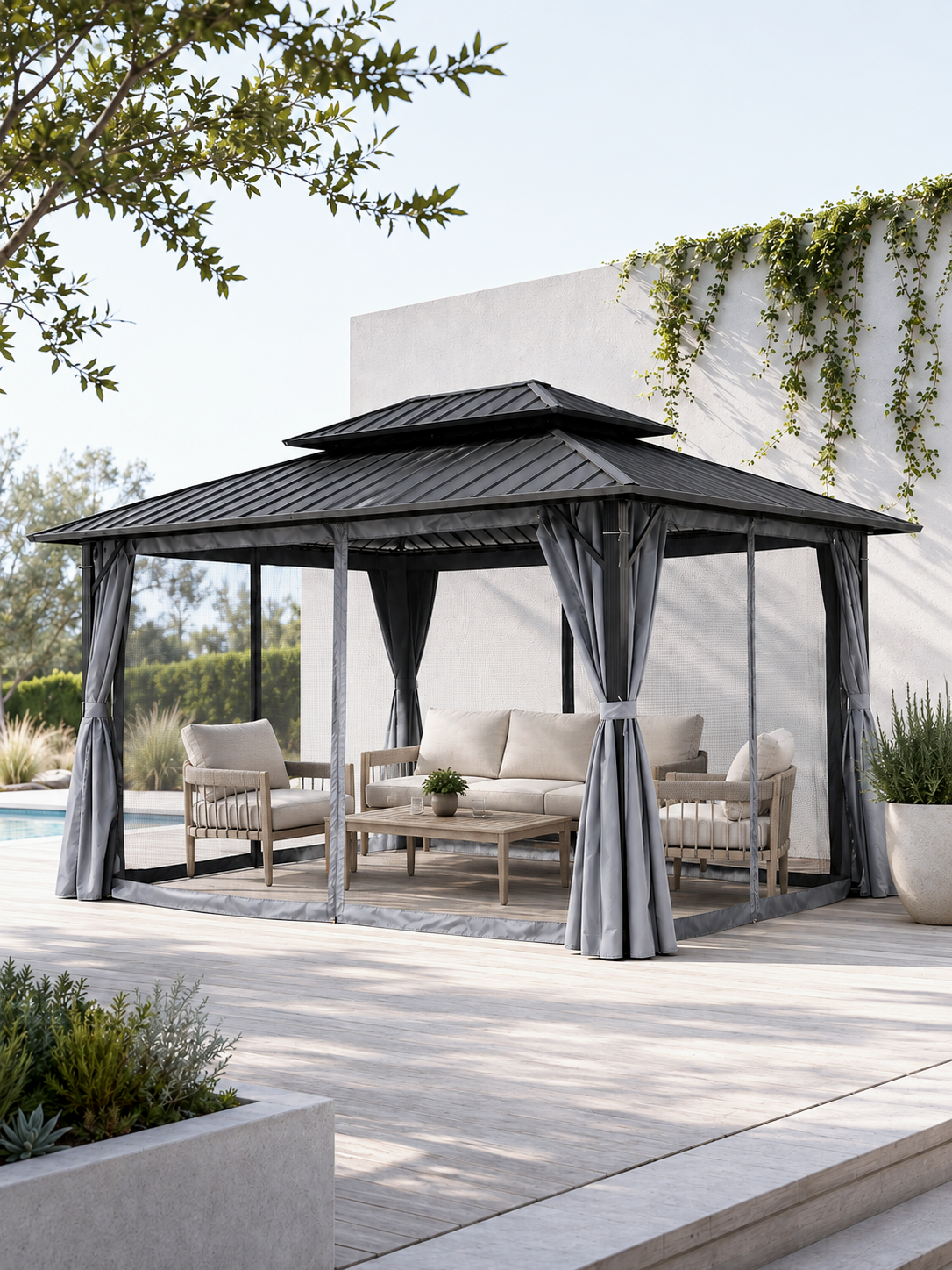
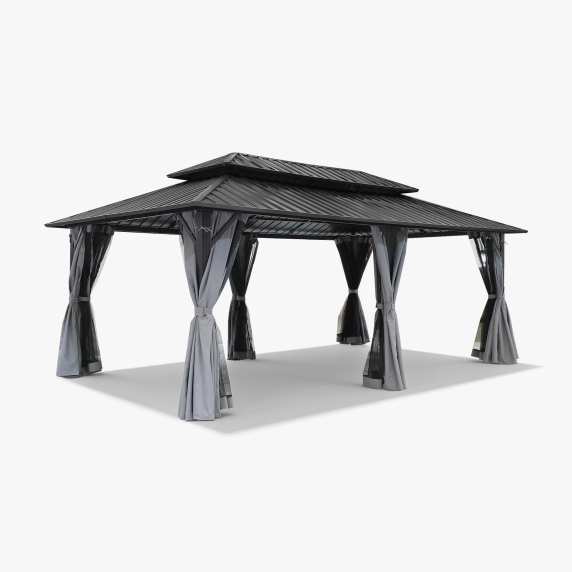
A double roof can change how a patio shelter handles heat, airflow, rain, and structural loads. A steel frame gazebo with double roof for patio use combines rigid support with two roof layers. The upper roof blocks direct sunlight before heat reaches the sheltered area. Meanwhile, the gap between roof layers creates a route for warm air. This arrangement can improve comfort during long outdoor meals and gatherings. It also creates another structural interface that requires careful design. Roof spacing, panel weight, frame connections, and drainage all affect performance. Buyers should examine the complete roof system rather than the second layer alone. A balanced design combines shade, ventilation, weather resistance, stability, and practical maintenance. Those factors determine how well the structure serves a patio throughout changing outdoor conditions.
How Double Roofs Improve Patio Airflow
A double roof creates a ventilated cavity above the main sheltered area. Solar radiation reaches the upper roof surface before moving toward lower layers. Some energy reflects, while the remaining energy warms the roof material. Air inside the cavity then becomes warmer and rises toward available openings. Exterior airflow can carry that heat away from the roof space. The lower roof adds another barrier between sunlight and people underneath. However, roof layers alone cannot guarantee effective ventilation. Designers need sufficient spacing and openings for continuous air movement. Poor spacing can restrict airflow and trap heat inside the cavity. Effective layouts maintain ventilation paths while limiting unwanted rain entry. This balance helps support comfort without treating the roof as an active cooling system.
How A Steel Frame Supports A Double Roof
The steel frame carries roof weight, wind forces, and loads from attached components. Strong posts transfer vertical forces toward the foundation or ground anchors. Horizontal beams distribute roof loads around the canopy perimeter. Rafters or cross members then support panels across the roof width. Each connection needs suitable fasteners and sufficient contact area. Corner joints deserve attention because they receive forces from several directions. Steel provides predictable stiffness when manufacturers select suitable profiles and wall thicknesses. Protective coatings also help limit corrosion during outdoor exposure. Galvanized steel and suitable powder coatings can improve surface durability. The frame should match roof size, panel weight, weather exposure, and anchoring conditions. A properly matched structure reduces unnecessary movement and supports consistent roof performance.
How Ventilation Affects Gazebo Comfort
Ventilation remains important because a shaded space can still become hot. Warm air naturally rises toward the highest part of the canopy. A steel frame gazebo with double roof for patio use provides a channel where this air can move outward. Open sides can strengthen this effect when outdoor breezes cross the seating area. Roof vents, raised upper panels, and controlled openings can support circulation. Their size and position influence airflow across the entire canopy. Enclosed curtains may reduce this benefit by limiting cross ventilation. Furniture placement can also restrict airflow near the lower roof. Designers should therefore consider ventilation within the complete patio layout. Good airflow cannot remove summer heat, but it can reduce stagnant hot air. This effect can improve perceived comfort during extended outdoor use.
How A Steel Frame Gazebo With Double Roof For Patio Handles Weather
Weather conditions expose a gazebo to different loads throughout the year. Strong sunlight increases roof temperature and accelerates material aging. Heavy rain tests drainage paths, panel overlaps, and connection seals. Wind creates lateral pressure and can generate uplift around roof edges. Snow, where applicable, adds sustained vertical load across the roof. A steel frame gazebo with double roof for patio settings needs capacity suited to its climate. Manufacturers may publish wind or snow ratings for specific configurations. Those ratings can depend on roof size, anchoring, installation, and structural details. Users should not assume one rating applies to every location or setup. Seasonal checks can reveal changes in fasteners, coatings, roof panels, and anchors. Timely maintenance helps preserve the intended structural performance.
How The Roof Layers Handle Rain And Drainage
Rain management requires more than placing two panels above one another. The upper roof should direct water toward defined drainage paths. Roof slope helps move water away from joints and toward gutters or edges. The lower roof may catch runoff if the upper layer releases water near its perimeter. Drainage channels should prevent concentrated water from reaching seating areas. Overlapping panels also need suitable sealing and fasteners for expected conditions. Wind-driven rain can enter through ventilation gaps during severe storms. Proper roof geometry can limit this exposure without closing every airflow opening. Regularly clearing leaves and debris also helps maintain drainage capacity. A well-planned system moves water away from occupants and structural joints. It also reduces standing moisture around connections and roof edges.
Which Roof Materials Suit Double Roof Gazebos
Roof material affects how the double-layer system manages sunlight, weight, and weather exposure. Polycarbonate panels can balance low weight with impact resistance. Aluminum roofing can provide durability with relatively low maintenance requirements. Steel roofing can offer robust performance but may increase structural weight. Transparent panels admit daylight while changing solar heat behavior. Opaque panels can block more direct sunlight but create a darker interior. Surface coatings can influence UV resistance, color retention, and heat absorption. Material thickness also affects stiffness and loads transferred to the frame. Buyers should compare panel specifications with the supporting structure. Compatibility with fasteners, thermal movement, drainage details, and local weather also matters. Appearance should remain only one factor when selecting a roof material.
What Features Should You Check Before Buying?
Key features deserve attention before selecting a patio gazebo:
- Steel frame profile, coating, and corrosion resistance
- Roof spacing and ventilation openings
- Roof panel thickness and weather resistance
- Connection hardware and corner reinforcement
- Roof slope, gutters, and drainage paths
- Ground anchors and foundation requirements
- Compatibility with curtains, screens, and outdoor furniture
- Manufacturer load ratings and installation requirements
How Gazebo Components Work Together
These factors show how individual components work together during real patio use. Frame dimensions affect both stability and available interior space. Roof spacing influences airflow, while panel weight affects structural demand. Connection hardware transfers forces between panels, beams, and posts. Anchors then transfer those forces into the supporting surface. Drainage details protect the area below and reduce moisture around joints. Manufacturers should provide specifications for materials, dimensions, fasteners, and installation conditions. Local wind and snow exposure can change required structural capacity. Buyers should also check whether ratings apply to the complete configuration. A practical selection process considers the full assembly instead of appearance alone. This approach helps identify gaps between advertised features and actual construction details.
How A Steel Frame Gazebo With Double Roof For Patio Performs Across Conditions
Weather conditions expose a gazebo to different loads throughout the year. Strong sunlight increases roof temperature and accelerates material aging. Heavy rain tests drainage paths, panel overlaps, and connection seals. Wind creates lateral pressure and can generate uplift around roof edges. Snow, where applicable, adds sustained vertical load across the roof. A steel frame gazebo with double roof for patio settings needs capacity suited to its climate. Manufacturers may publish wind or snow ratings for specific configurations. Those ratings can depend on roof size, anchoring, installation, and structural details. Users should not assume one rating applies to every location or setup. Seasonal checks can reveal changes in fasteners, coatings, roof panels, and anchors. Timely maintenance helps preserve the intended structural performance.
How Gazebo Size Changes Roof Performance
Gazebo size changes how the roof and frame respond to loads. Larger spans generally require longer beams or additional supporting members. Longer members can experience greater bending under distributed roof loads. Roof area also increases the amount of wind acting on the assembly. Larger canopies may require stronger anchors and more careful foundation planning. Smaller structures can reduce material demand but provide less seating space. Roof height also affects ventilation volume and warm-air movement. Furniture layouts should leave practical circulation space beneath the canopy. Tables, chairs, and accessories can restrict airflow or obstruct maintenance access. Buyers should match canopy dimensions with structural requirements and intended patio activities. Correct sizing improves usability while keeping structural demands within stated specifications.
What Features Can You Compare Before Installation?
A double roof affects several practical features that buyers can compare before installation. Ventilation openings influence heat release, while roof materials influence weight and daylight. Drainage details determine where rainwater travels after reaching the upper surface. Frame connections transfer these loads into posts and ground anchors. The following table links common design features with their practical effects. It also identifies points that deserve closer inspection before purchase. These details matter because two gazebos can share similar dimensions yet perform differently. Differences may appear in roof spacing, panel thickness, connection hardware, or anchoring. Buyers should compare complete specifications rather than relying on product photographs. Installation requirements also deserve attention because structural performance depends on correct assembly. This comparison provides a practical way to organize those specifications.
| Feature | Primary Function | Key Check |
|---|---|---|
| Double roof spacing | Supports passive airflow | Check ventilation openings |
| Upper roof material | Controls shade and weather exposure | Check thickness and UV resistance |
| Steel frame | Supports roof and external loads | Check profile and coating |
| Roof slope | Moves rainwater toward drainage paths | Check runoff direction |
| Connection hardware | Transfers forces between components | Check bolts and reinforcement |
| Ground anchors | Resist movement and uplift | Check surface compatibility |
Why Double Roof Performance Depends On Complete Design
The table shows why a double roof should be treated as one integrated system. A steel frame gazebo with double roof for patio use relies on coordinated structural and weather features. Ventilation depends on roof spacing, openings, and surrounding air movement. Shade depends on roof coverage and the optical properties of the selected material. Structural capacity depends on panel weight, frame dimensions, connections, and anchoring. Drainage depends on roof slope, overlaps, gutters, and clear water paths. Maintenance then protects each component from gradual outdoor exposure. These factors work together during daily operation and changing weather conditions. A stronger panel can increase weight, while larger coverage can increase wind exposure. Better airflow can improve comfort, but open gaps can admit wind-driven rain. Complete specifications help buyers assess these tradeoffs before installation and regular use.
FAQ
What Is A Double Roof Gazebo Good For?
A double roof mainly supports shade and ventilation above a patio seating area. The upper layer blocks direct sunlight before it reaches the lower roof. Heat can move through the space between layers and escape through suitable openings. This arrangement can reduce stagnant warm air under the canopy. A double roof can also add another barrier against normal rainfall. Performance depends on roof geometry, materials, ventilation openings, and installation quality. It does not replace proper structural anchoring or weather-rated materials. Patio owners should also consider local wind and snow conditions. The roof works best when its ventilation, drainage, and structural features operate as one system.
Does A Double Roof Keep A Gazebo Cooler?
A double roof can help a gazebo feel cooler, but it does not actively lower air temperature. The upper layer blocks direct solar radiation before it reaches the sheltered space. Air movement through the roof cavity can then carry some accumulated heat away. Open sides can improve this effect when outdoor breezes are available. Roof color and material also influence solar heat absorption. Curtains or screens may reduce airflow if they enclose the canopy. Strong ventilation therefore depends on the complete setup, not the roof layers alone. During extreme heat, shaded seating, hydration, and suitable outdoor scheduling remain important. The double roof mainly supports comfort through shade and passive airflow.
Is A Steel Frame Better For A Double Roof Gazebo?
A steel frame can provide substantial support for a double roof when its design matches the roof loads. Posts carry vertical forces toward anchors or the foundation. Beams and rafters distribute roof weight across the structural frame. Connections must transfer these forces without excessive movement. Steel profiles, wall thicknesses, coatings, and fasteners all affect structural performance. Local wind and snow requirements can also change the needed capacity. Buyers should check manufacturer specifications for the complete gazebo configuration. Installation quality matters because incorrect anchors or loose connections can reduce stability. A steel frame does not automatically guarantee performance. The roof, frame, connections, anchors, and supporting surface must work together.