.jpg?w=2000&h=2000)
Natural Color Palettes Support Relaxed Outdoor Living
Outdoor spaces feel calmer when color transitions appear gentle rather than sharp. Earth tones patio decor relies on warm browns, sandy beige, olive greens, and muted turquoise. These colors resemble soil, stone, and water found in nature. Visual harmony encourages longer outdoor stays and reduces sensory fatigue. Furniture in natural finishes blends easily into surrounding landscapes. Patios feel less artificial and more connected to nearby gardens. Soft palettes also complement changing daylight throughout the day. Morning light appears warm while evening tones feel balanced. Consistent color harmony helps patios function as comfortable everyday living extensions rather than decorative zones.
Brown Shades Anchor Furniture And Visual Structure
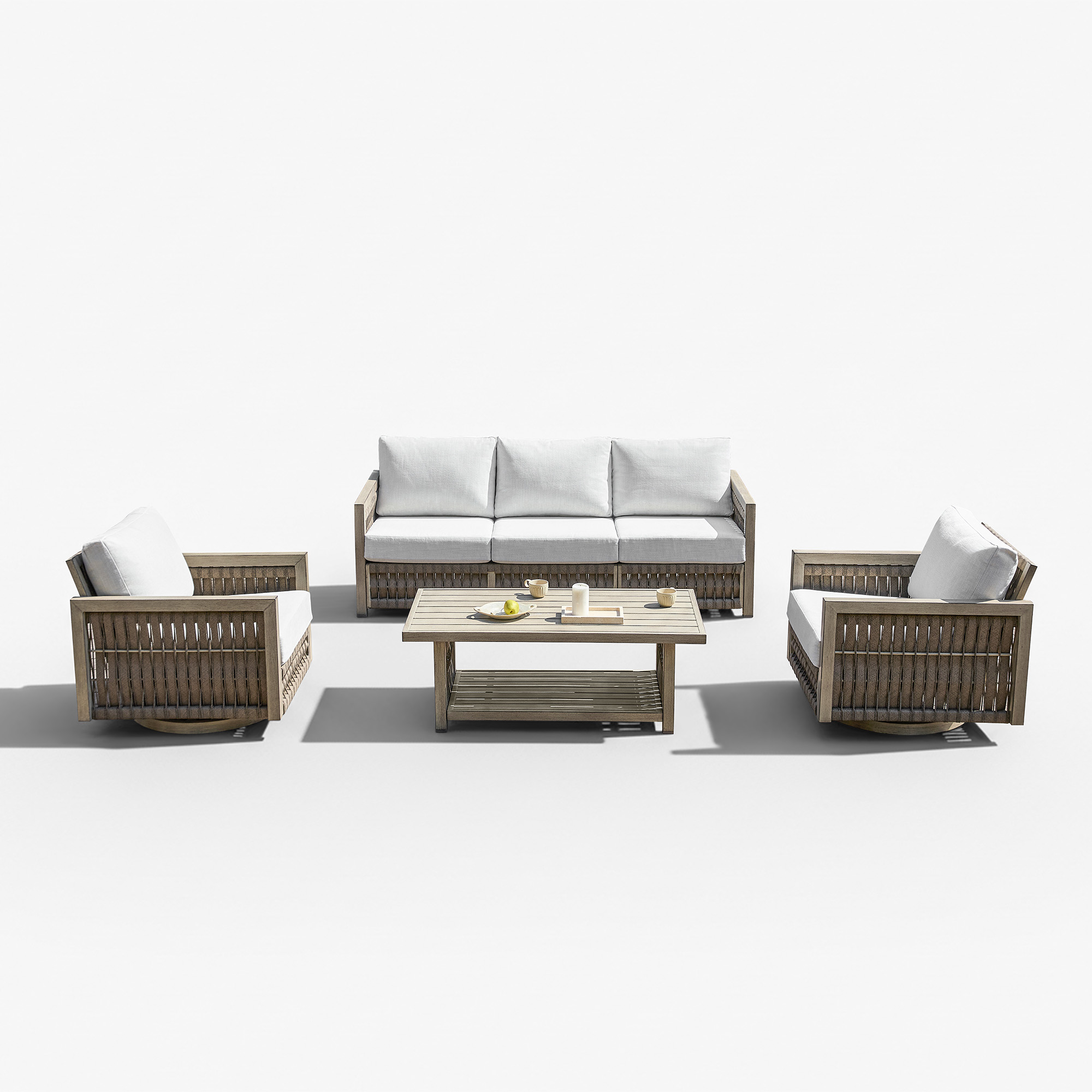
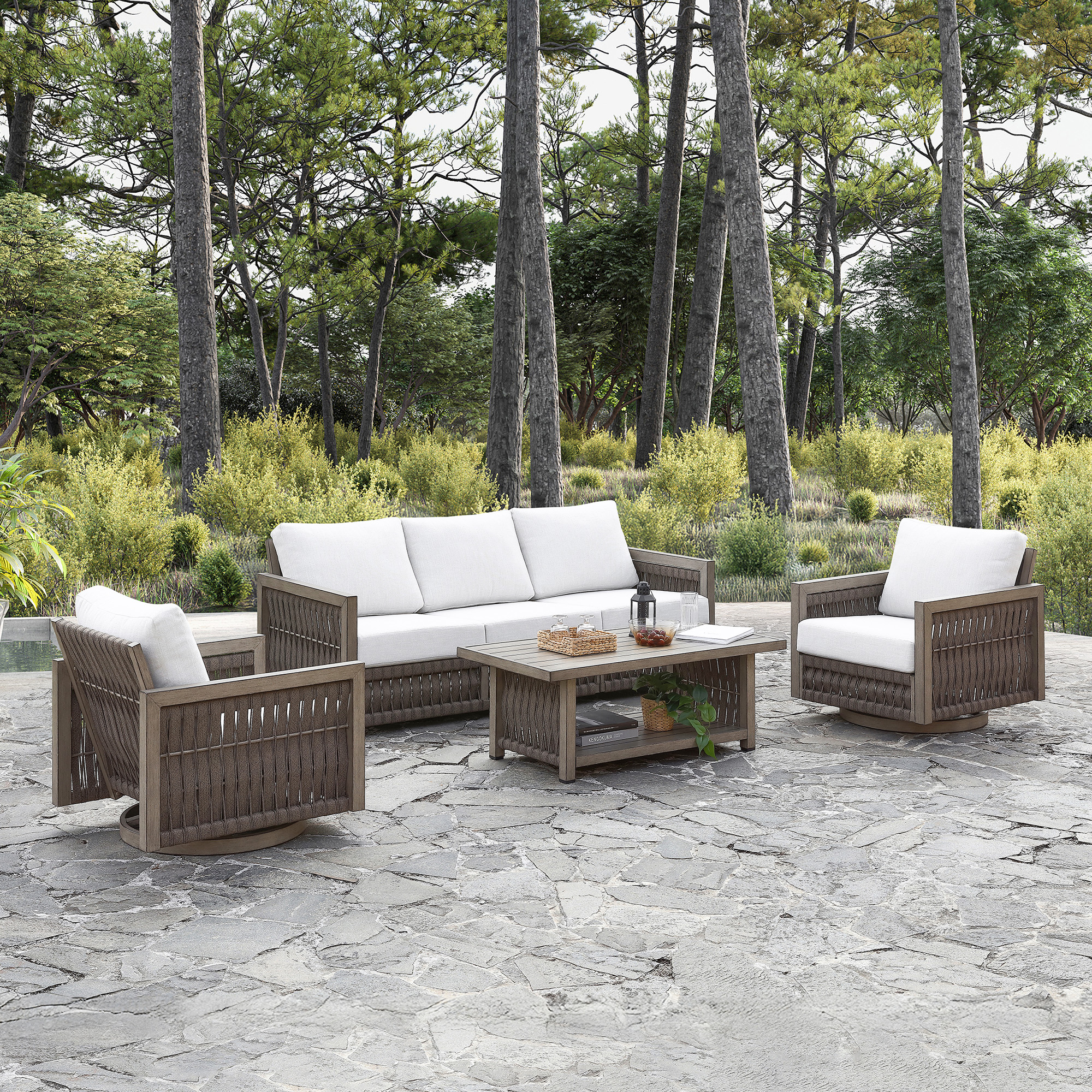
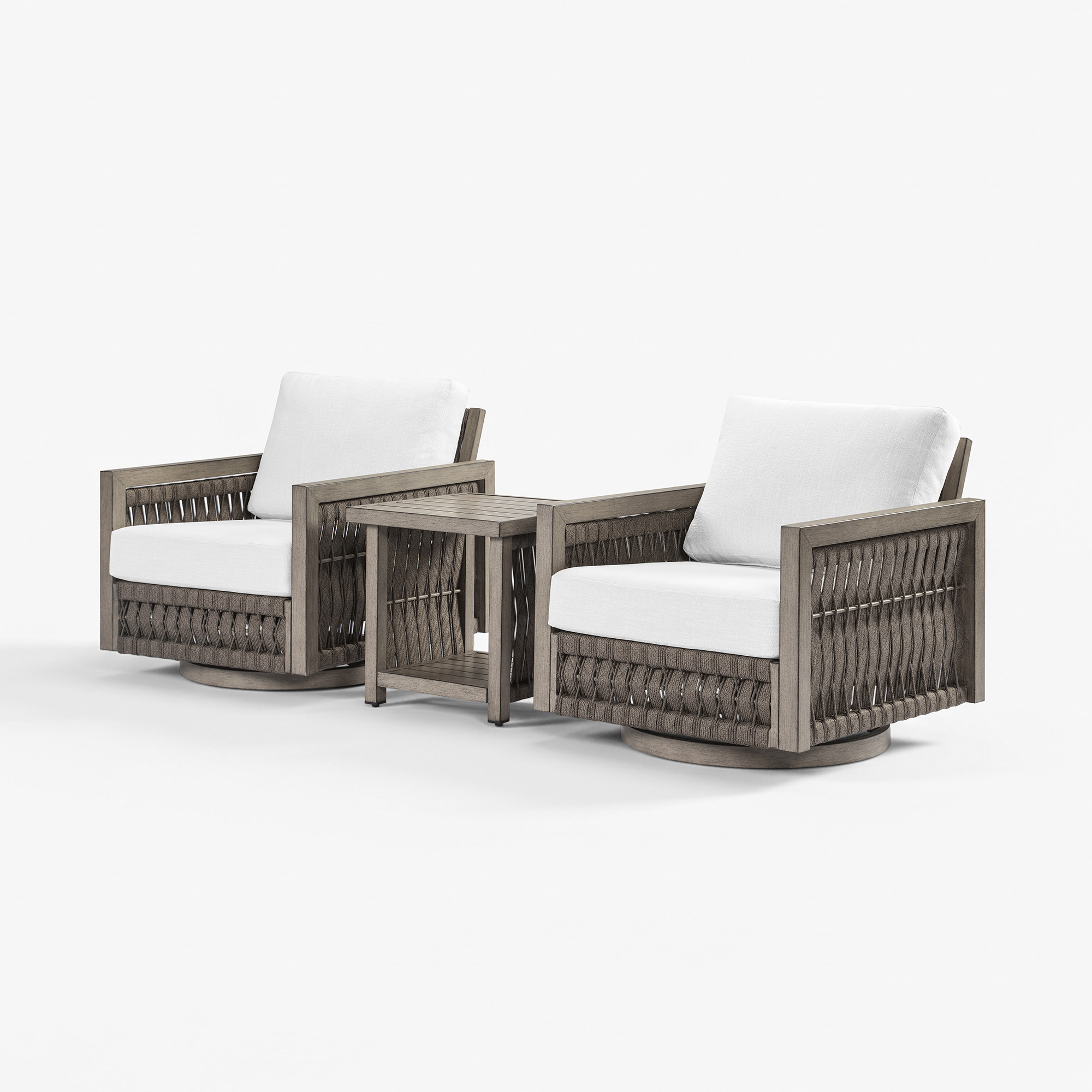
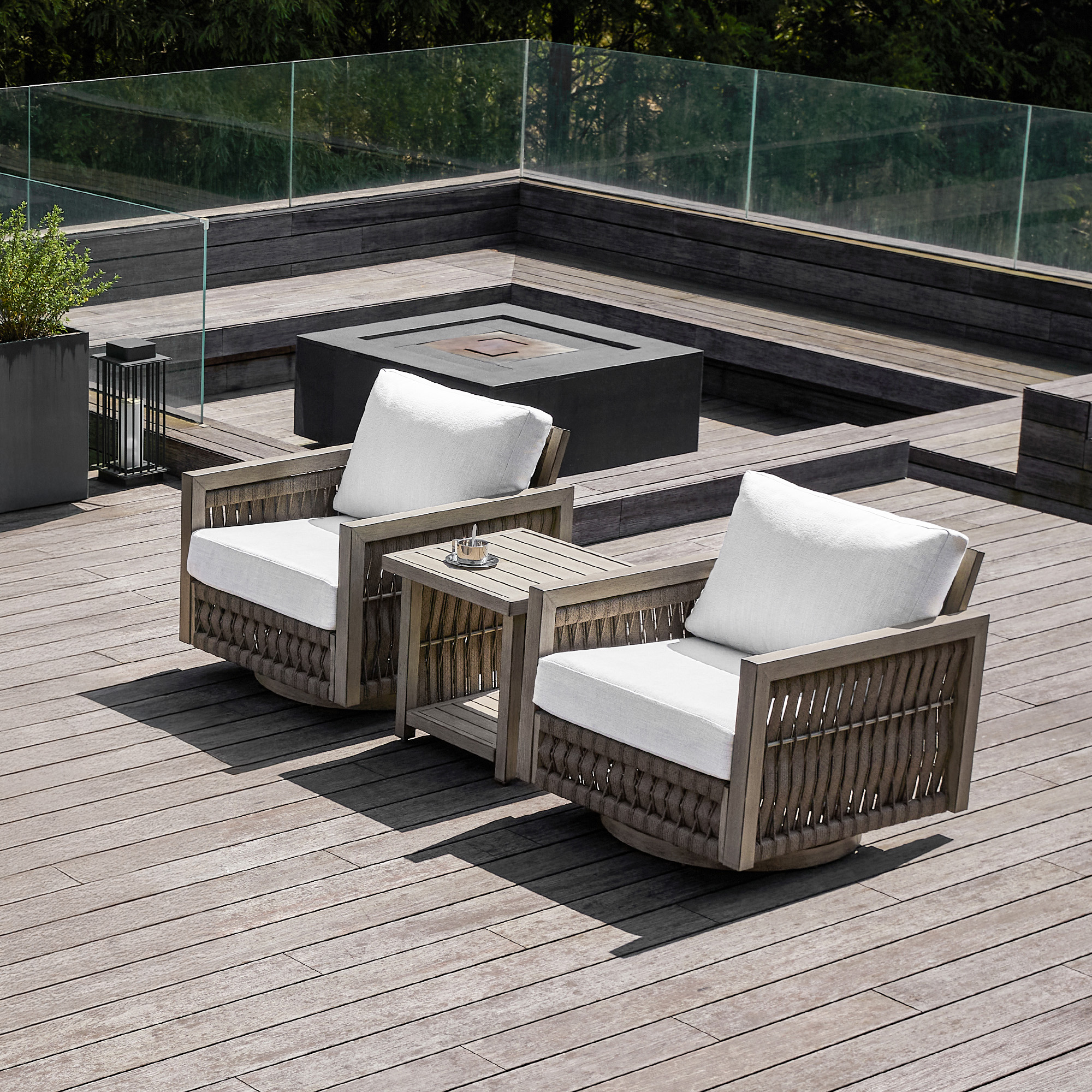
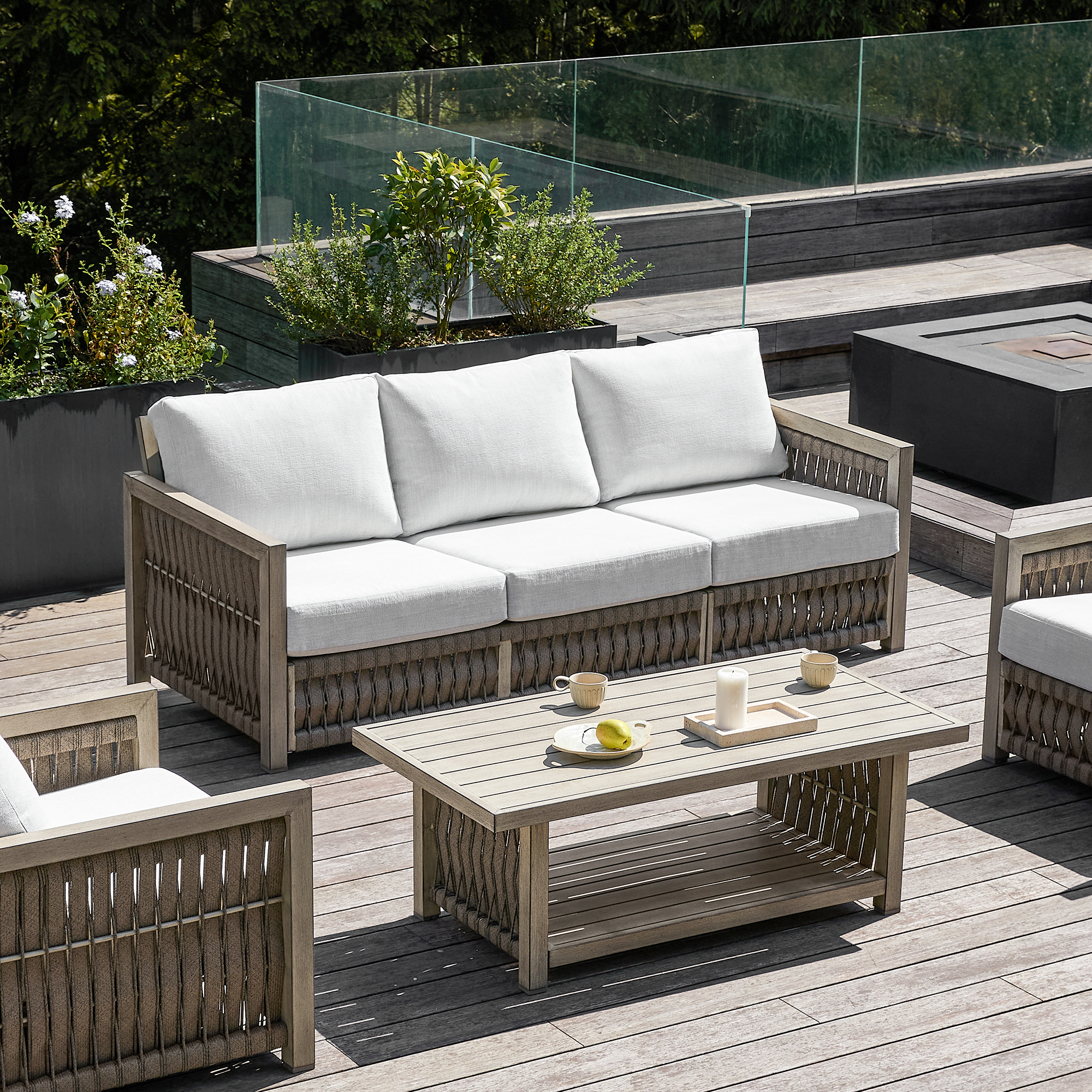
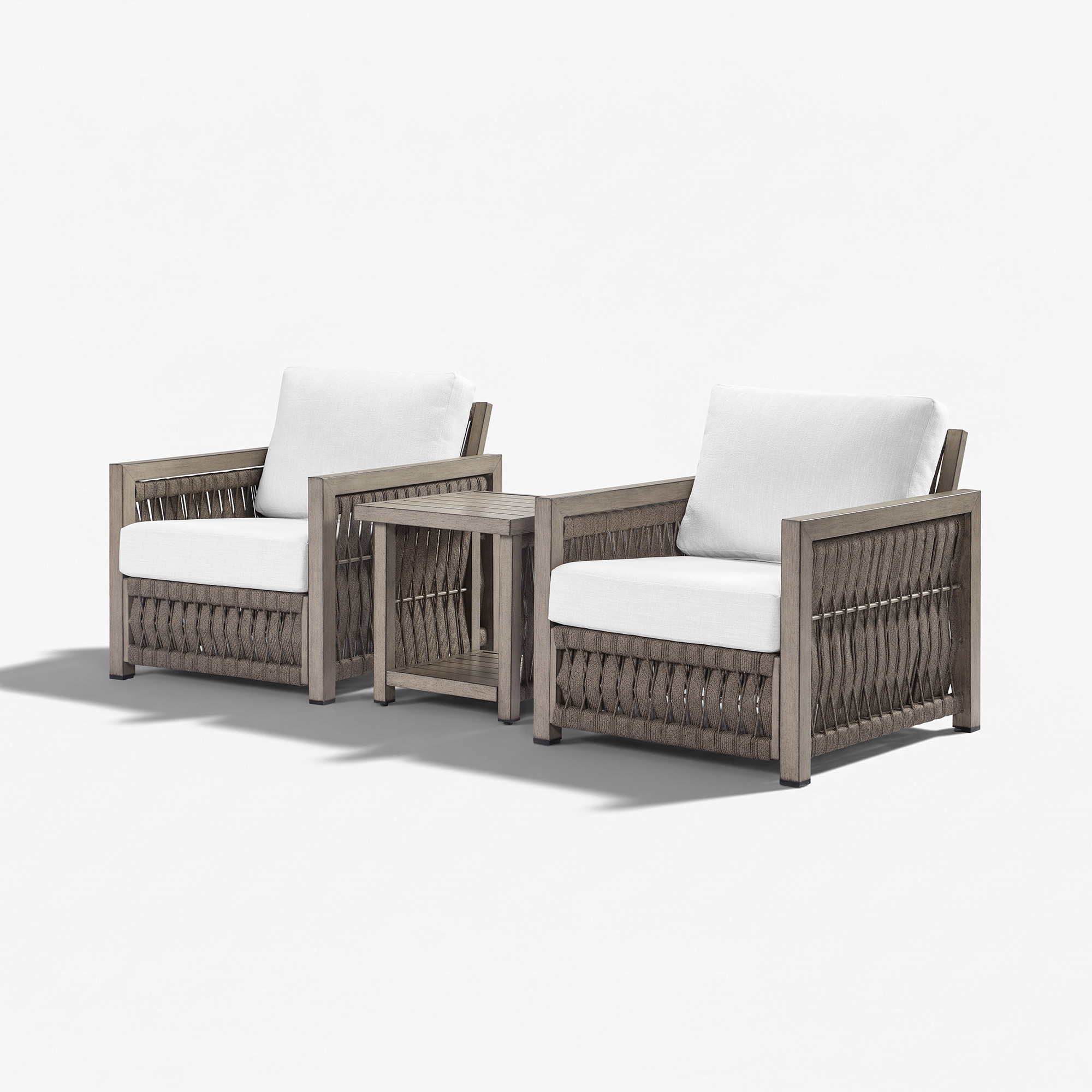
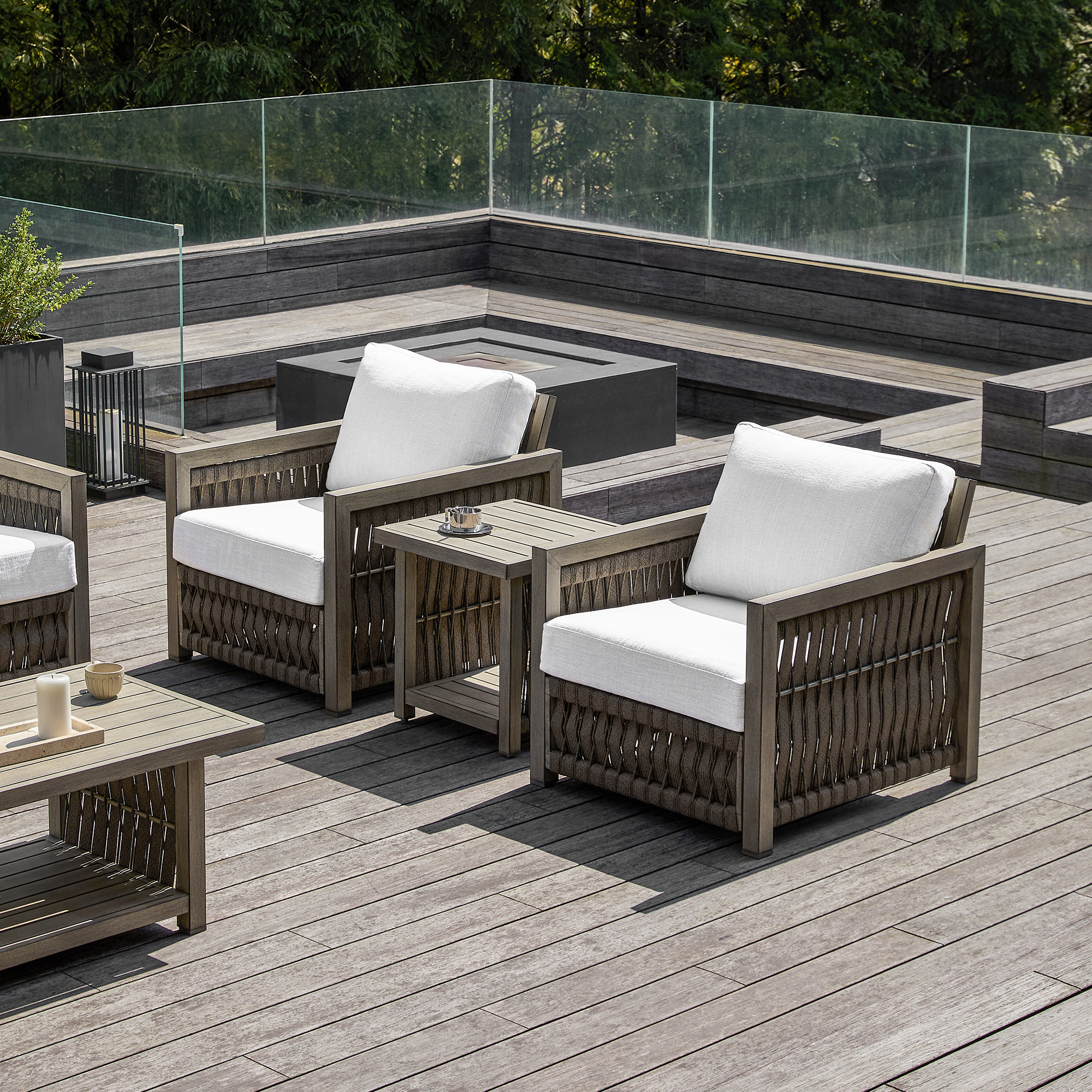
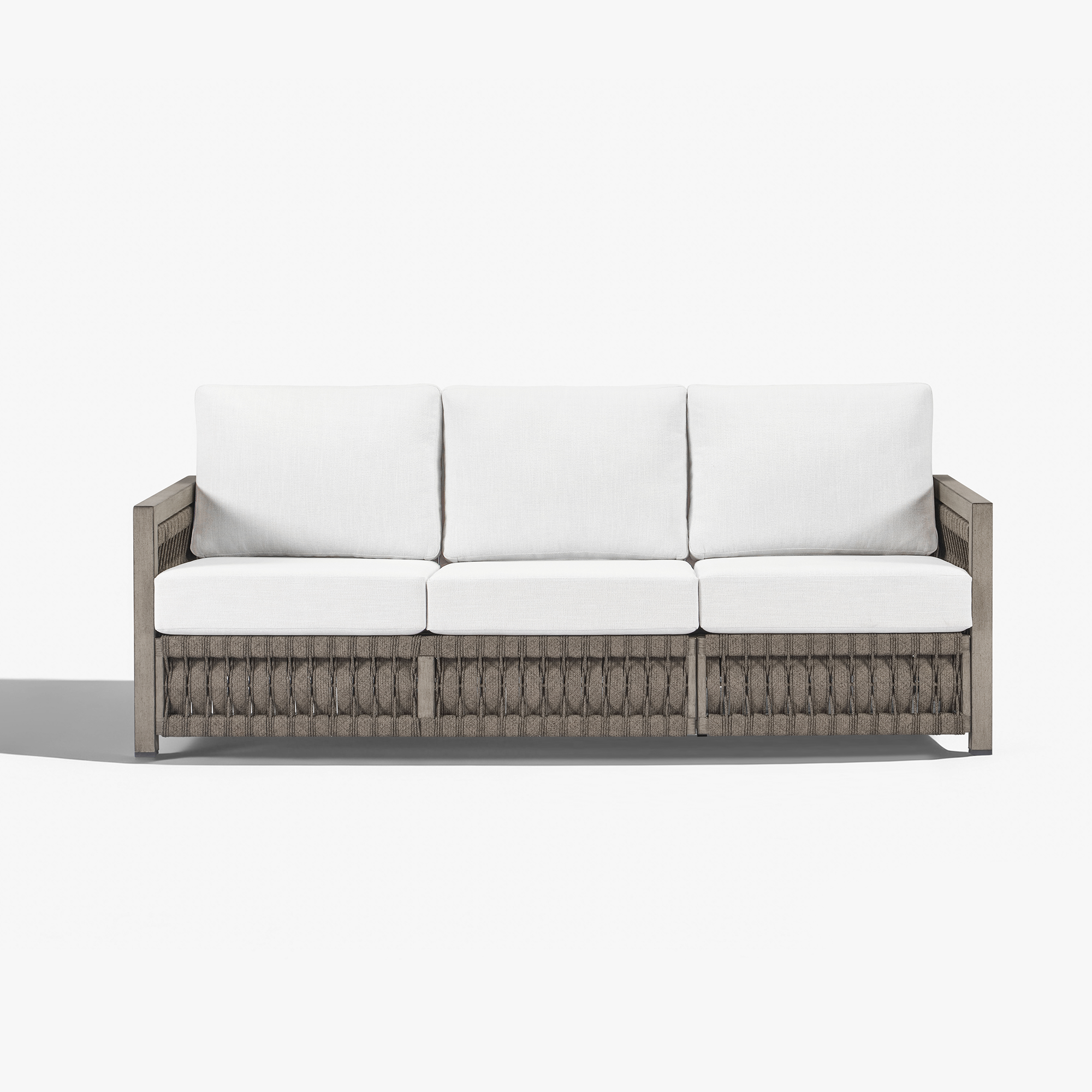
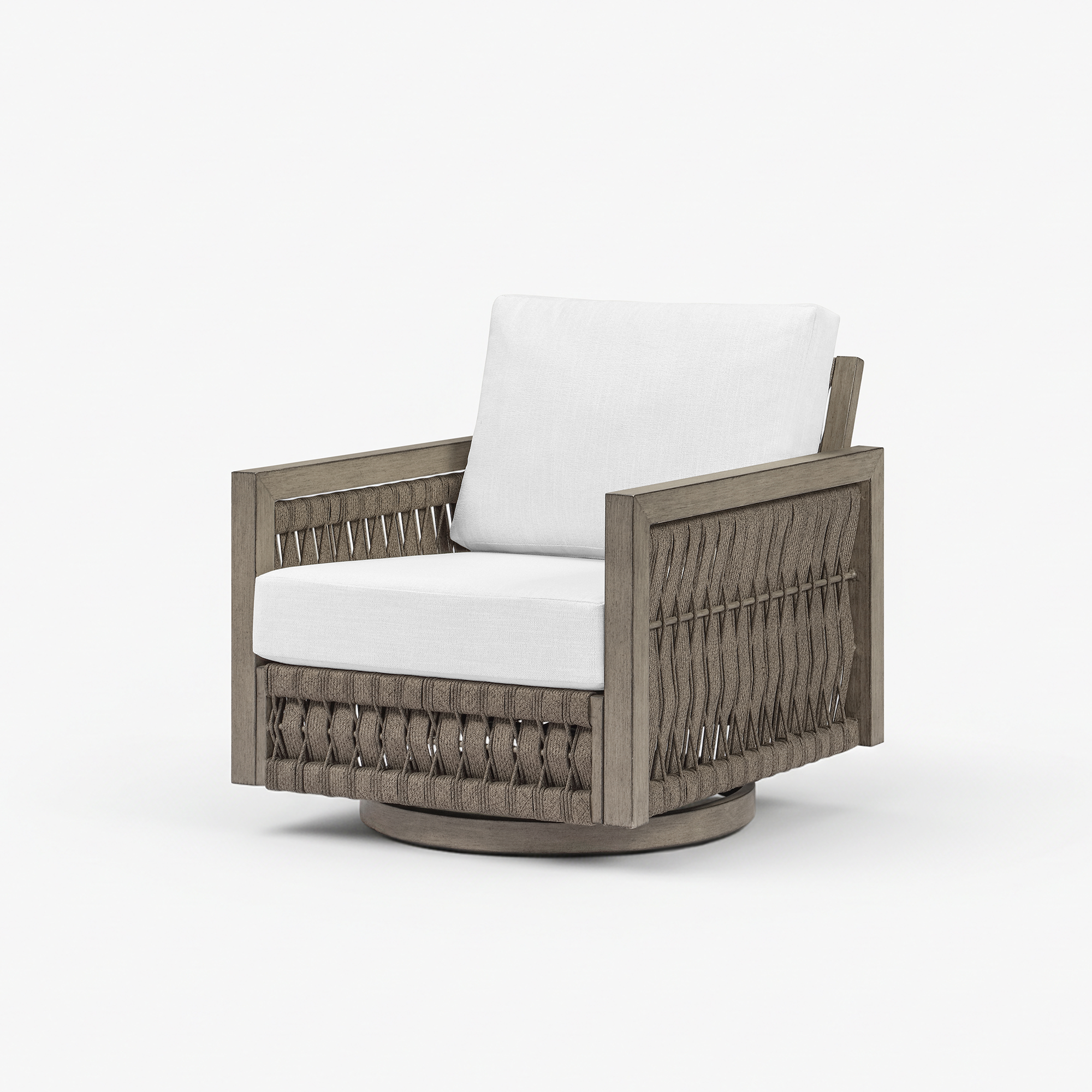
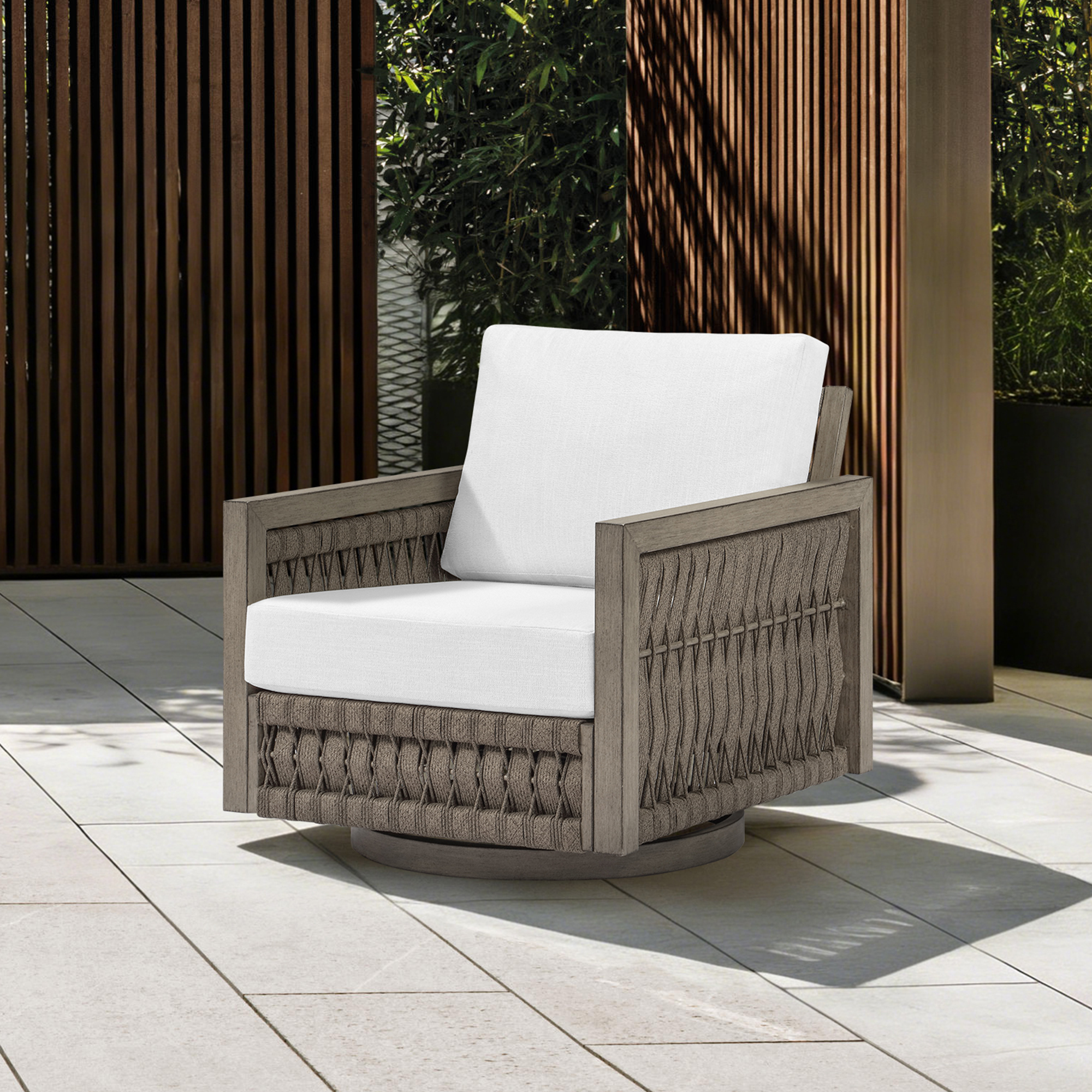
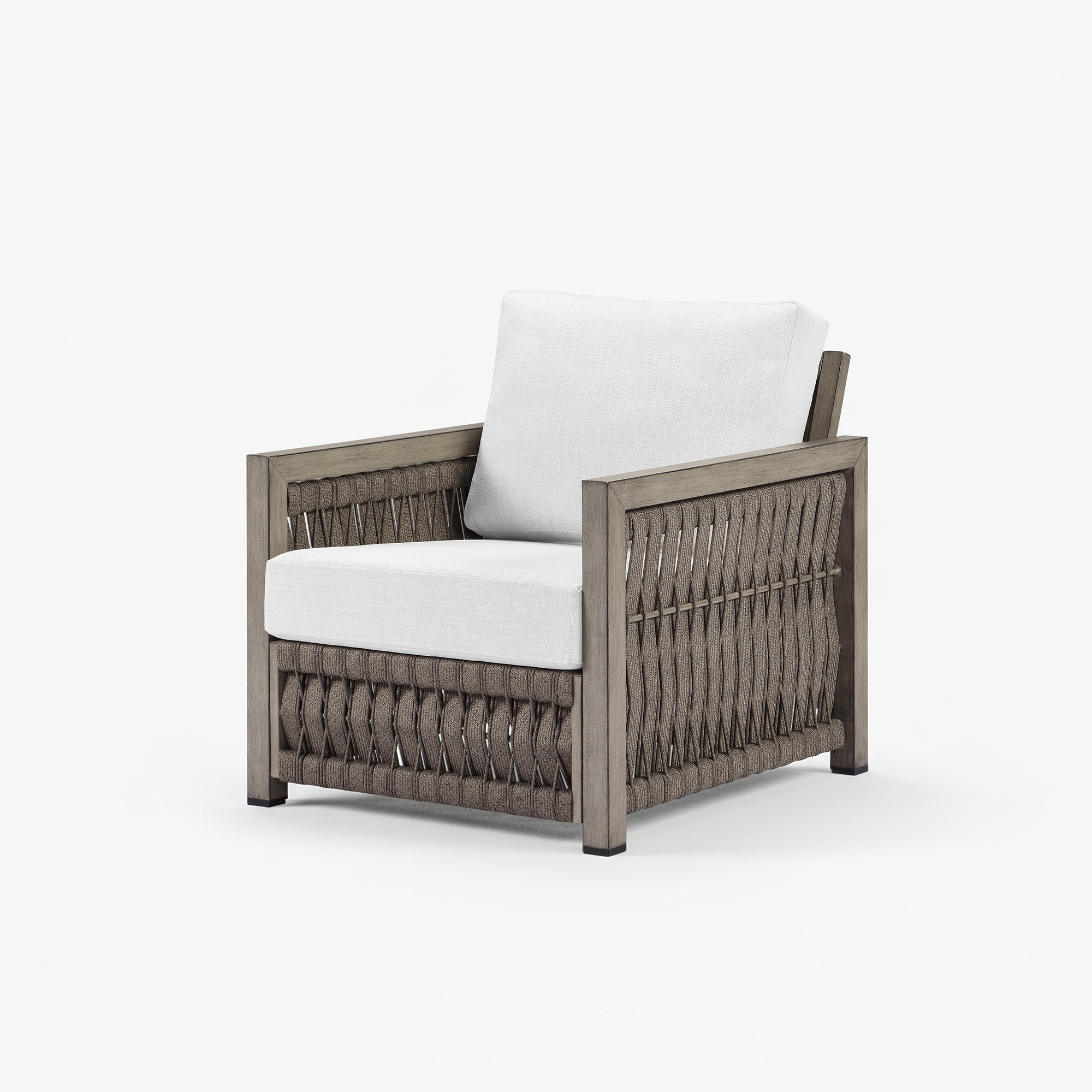
Brown tones provide visual grounding for outdoor furniture layouts. Wooden dining tables and lounge seating become focal points without overwhelming the area. Earth tones patio decor benefits from darker brown frames combined with lighter cushions. This contrast defines seating zones clearly. Dark bases hide dust and wear more effectively than bright finishes. Natural brown shades also match fences, decking, and pergolas. The result feels cohesive across structural elements. When furniture visually anchors the patio, accessories become easier to coordinate. Balanced color distribution prevents cluttered appearance and improves overall comfort perception.
Sand And Beige Tones Expand Visual Space
Light neutral tones play an important role in patio openness. Sand and beige colors reflect light softly rather than sharply. Earth tones patio decor uses these shades for cushions, umbrellas, and rugs. Lighter tones make smaller patios feel wider and brighter. They also reduce heat absorption under sunlight. Neutral seating fabrics pair well with multiple furniture materials. This flexibility supports seasonal styling changes. A balanced mix of light and dark tones maintains depth without heaviness. Open visual space encourages social interaction and relaxed movement across outdoor areas.
Muted Turquoise Adds Subtle Refreshing Contrast
Natural palettes still benefit from gentle contrast. Muted turquoise introduces color reminiscent of shallow water and sky reflections. Earth tones patio decor often integrates turquoise through pillows or ceramic accents. This color refreshes the scene without dominating attention. Small accents prevent visual monotony while maintaining calmness. Cool tones also psychologically reduce perceived temperature in warm climates. The patio feels refreshing even during hot afternoons. Strategic contrast creates interest while preserving tranquility. Proper color balance keeps outdoor areas visually engaging yet restful._572x.jpg?w=2000&h=2000)
Combining Wood And Stone Enhances Natural Appeal
Material selection strongly influences design authenticity. Wood and stone pair naturally within outdoor environments. Earth tones patio decor frequently combines wooden furniture frames with stone tabletops or flooring. This pairing mirrors natural landscapes and strengthens visual continuity. Stone surfaces resist heat and weather exposure effectively. Wooden seating introduces warmth and tactile comfort. Together they create layered textures rather than flat surfaces. Texture diversity increases perceived quality and depth. A patio with complementary materials feels intentional and welcoming for everyday use.
Terracotta Elements Add Warmth And Character
Terracotta introduces handcrafted warmth into patio layouts. Clay planters and decorative pottery reinforce organic themes. Earth tones patio decor often includes terracotta pieces near seating areas. Their warm red undertones contrast gently with beige and green surroundings. Clay materials age gracefully and develop natural patina. This aging process enhances authenticity rather than reducing appeal. Terracotta also supports plant growth due to breathable structure. Functional decor strengthens both aesthetics and usability. Character-rich materials encourage personal connection with outdoor living spaces.
Plants Integrate Furniture With Surroundings
Plants complete the relationship between furniture and environment. Greenery softens hard edges and balances structured layouts. Earth tones patio decor works best when furniture sits among varied plant heights. Low shrubs frame seating zones while taller plants define boundaries. Natural foliage complements neutral cushions and wooden frames. Plants also improve air freshness and perceived comfort. Seasonal changes provide visual variation without replacing furniture. Living elements transform patios into evolving spaces rather than static arrangements. Integration with nature encourages daily outdoor use.
Natural Fabrics Improve Comfort And Visual Harmony
Fabric choice affects both comfort and style coherence. Cotton, linen, and woven outdoor textiles blend with earth color palettes. Earth tones patio decor benefits from breathable and textured materials. Natural fabrics soften furniture outlines and enhance tactile comfort. They also reduce glare compared to synthetic surfaces. Cushions and throws in organic textures create layered depth. Practical comfort supports extended seating periods. Coordinated fabrics maintain visual continuity across seating and accessories. A unified textile approach strengthens overall patio atmosphere.
Ideal Layouts For Daily Relaxation And Gatherings
Earth tone palettes suit both solitary relaxation and social interaction. Flexible furniture arrangements support varied use patterns.
Recommended Patio Layout Elements
-
Central wooden dining table for shared meals
-
Lounge chairs positioned toward garden views
-
Neutral outdoor rug defining seating area
-
Side tables for drinks and books
-
Planters marking natural boundaries
These layout components create functional zones while maintaining openness. Earth tones patio decor ensures each element blends without visual conflict. Clear zones improve usability during gatherings. Guests navigate spaces comfortably while hosts manage seating easily. Practical layouts strengthen daily functionality and social convenience.
Color And Material Coordination Guide
| Element | Recommended Color | Suggested Material |
|---|---|---|
| Dining Table | Walnut Brown | Solid Wood |
| Seating Cushions | Sand Beige | Natural Fabric |
| Accent Decor | Muted Turquoise | Ceramic |
| Planters | Terracotta | Clay |
| Flooring Or Rug | Stone Gray | Stone Or Woven Fiber |
Coordinating color and material combinations prevents design imbalance. Each component supports a consistent natural atmosphere. Balanced integration keeps furniture visually connected rather than isolated.
Lighting Completes The Earth Tone Atmosphere
Lighting significantly affects color perception at night. Warm lighting enhances brown and beige tones naturally. Earth tones patio decor pairs well with soft amber illumination. String lights and lanterns create gentle shadows across textured materials. Warm lighting maintains visual calmness instead of harsh brightness. Proper lighting also improves safety during evening gatherings. Nighttime ambiance becomes inviting without losing natural character. Consistent lighting temperature preserves daytime design harmony after sunset.
Everyday Usability Matters More Than Decoration Alone
Practical comfort determines whether patios remain active daily. Earth tones patio decor supports usability through forgiving colors and adaptable materials. Furniture hides wear better than bright alternatives. Textured fabrics resist visible stains during gatherings. Durable materials tolerate frequent use and movement. Patios designed for daily life remain organized with minimal effort. When outdoor spaces function easily, people use them more often. Reliable usability turns decorative areas into living environments.
Frequently Asked Questions
Why Are Earth Tone Colors Better For Outdoor Furniture Areas?
Earth tone colors match natural surroundings, reducing visual tension in outdoor areas. Neutral palettes allow furniture to blend with plants, soil, and architectural materials. This harmony encourages relaxation and longer outdoor stays. Earth tones patio decor also hides dust and wear more effectively than bright colors. Practical maintenance becomes easier over time. Additionally, these colors remain visually stable across different lighting conditions. Morning and evening light do not drastically change their appearance. Consistent comfort and low maintenance make earth tone palettes suitable for daily outdoor living environments.
How Do Natural Materials Improve Patio Design Comfort?
Natural materials improve comfort by providing tactile warmth and temperature balance. Wood feels less cold than metal, while stone remains stable under sunlight. Earth tones patio decor benefits from combining these materials because each supports practical outdoor use. Breathable fabrics prevent overheating during warm weather. Clay and woven elements absorb moisture effectively. These characteristics improve seating comfort during extended use. Natural materials also age gracefully rather than appearing worn. This maintains long-term aesthetic value while supporting functional durability.
Can Earth Tone Patios Work For Small Gatherings?
Earth tone patios work well for small gatherings because neutral colors reduce visual clutter. Guests focus on conversation rather than strong color contrasts. Earth tones patio decor supports flexible seating arrangements without visual conflict. Coordinated furniture zones allow movement without confusion. Soft lighting enhances evening comfort and atmosphere. Practical layouts support dining, resting, and socializing simultaneously. The calm environment encourages longer stays and relaxed interaction. Balanced design makes gatherings feel organized yet informal.
.jpg?w=1600&h=1600)