
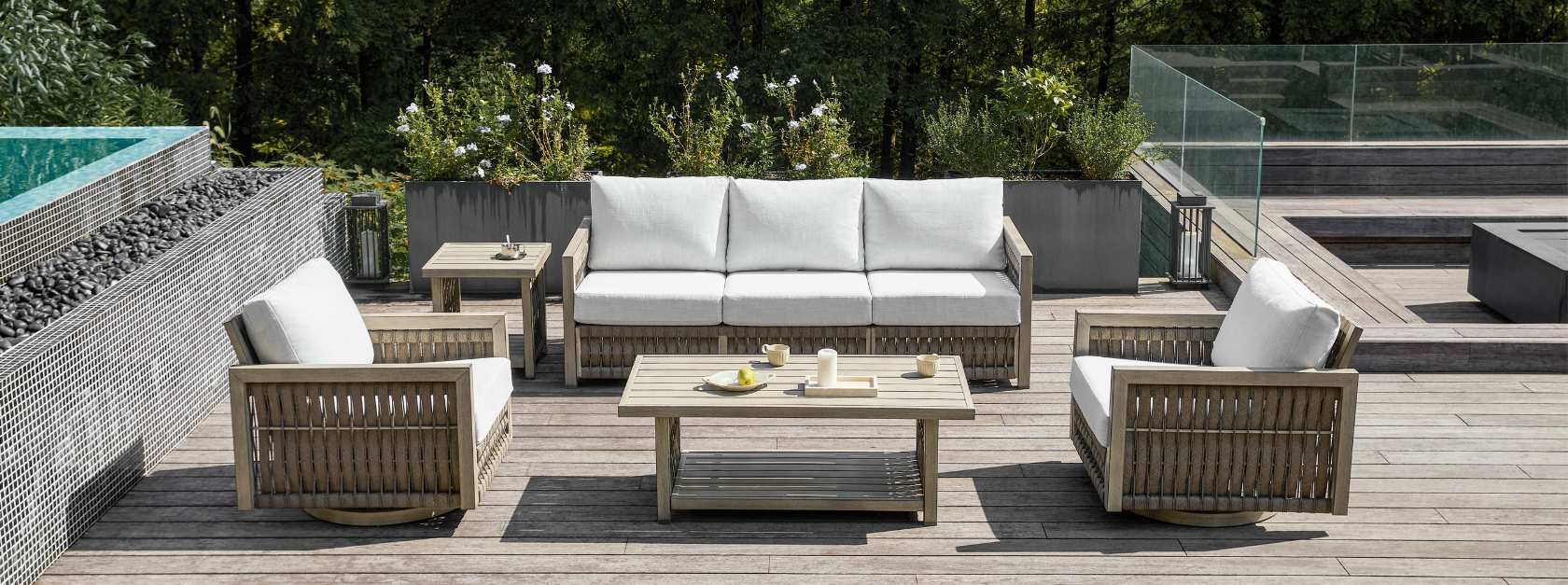
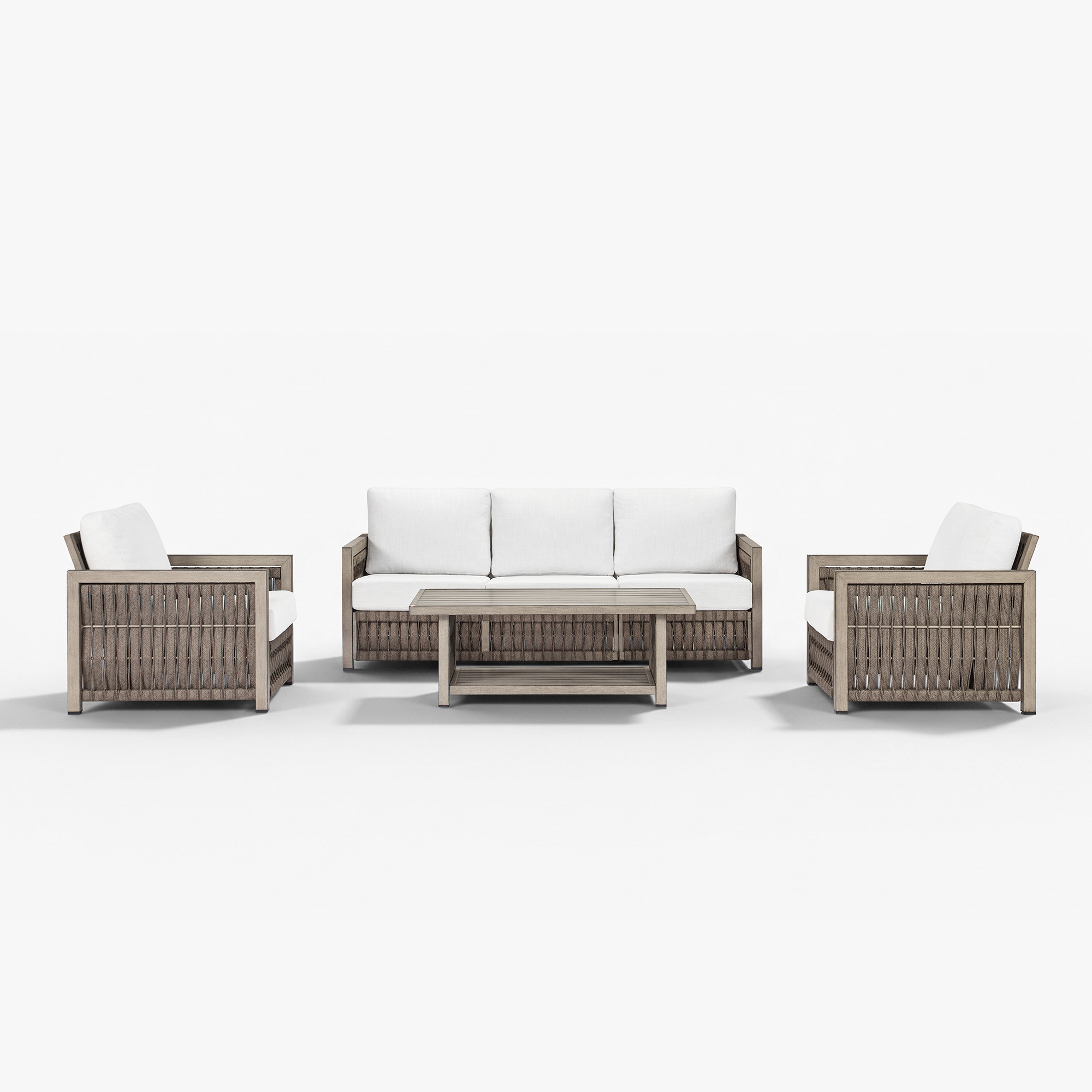
Rust resistant outdoor furniture is designed to perform under repeated rain exposure and persistent moisture. rust resistant outdoor furniture faces challenges from rainfall, humidity, and condensation cycles. Rainwater accelerates corrosion by introducing oxygen and electrolytes. Ordinary outdoor furniture often deteriorates quickly under these conditions. rust resistant outdoor furniture reduces degradation through specialized materials and protective systems. Durability depends on how surfaces repel water and block chemical reactions. Structural integrity also matters during prolonged wet periods. Outdoor environments create constant moisture contact on joints and fasteners. Effective resistance maintains both appearance and strength. These factors explain why durability varies significantly between furniture types.
Rust resistant outdoor furniture Performance Under Continuous Rainfall
Rust resistant outdoor furniture maintains stability through controlled moisture interaction. Rainfall exposes furniture surfaces to prolonged wetness. Standing water increases corrosion risk on untreated metals. rust resistant outdoor furniture prevents water retention through material selection. Frames are often designed to shed water efficiently. Sloped surfaces discourage pooling after storms. Drainage pathways reduce internal moisture buildup. Continuous rain tests coating adhesion and flexibility. High-quality coatings expand and contract without cracking. Structural joints remain sealed against infiltration. Performance under rainfall reflects long-term engineering rather than short-term resistance.

Material Behavior of rust resistant outdoor furniture in Humid Conditions
Humidity challenges rust resistant outdoor furniture differently than direct rain. Moist air introduces constant surface dampness. Condensation forms during temperature changes. Aluminum alloys resist oxidation in humid air. Stainless steel forms passive protective layers. Galvanized steel relies on sacrificial zinc coatings. Each material reacts uniquely to moisture exposure. Humidity penetrates microscopic surface imperfections. rust resistant outdoor furniture minimizes these entry points. Material thickness also affects performance stability. Thin materials degrade faster under constant humidity. Consistent material quality ensures predictable behavior in wet climates.
Protective Technologies Used in rust resistant outdoor furniture
Protective technologies define rust resistant outdoor furniture durability. Powder coating creates a continuous moisture barrier. Electrostatic application ensures uniform coverage. Anodizing strengthens aluminum surfaces chemically. E-coating penetrates recessed frame areas. Multi-layer systems increase resistance longevity. These technologies block oxygen and water contact. Surface pretreatment improves adhesion strength. Proper curing prevents premature coating failure. rust resistant outdoor furniture relies on technology integration rather than single solutions. Protective systems work together to slow corrosion processes.
- Powder coating for moisture isolation
- Anodizing for aluminum surface stability
- E-coating for internal frame protection
- Galvanization for sacrificial corrosion control
These technologies operate as layered defenses. Each layer addresses different moisture threats. Combined use improves overall durability. Technology selection depends on environment severity. Rain-heavy regions benefit from multi-layer systems. Proper application determines long-term effectiveness.
Rust resistant outdoor furniture Versus Standard Furniture in Wet Weather
Rust resistant outdoor furniture outperforms standard furniture during rainfall. Standard furniture often uses untreated steel frames. Rainwater infiltrates weld seams and fasteners. Corrosion begins internally before visible signs appear. rust resistant outdoor furniture blocks infiltration pathways. Sealed joints reduce moisture entry. Protective coatings slow oxidation reactions. Structural designs promote airflow after rain. Faster drying reduces corrosion duration. Wet weather highlights design differences clearly. Durability advantages become visible within seasonal cycles. Long-term exposure amplifies these contrasts significantly.
Drainage and Structural Design in Rain-Exposed Furniture
Structural design plays a major role in rain durability. rust resistant outdoor furniture incorporates water-shedding geometry. Rounded frames prevent water accumulation. Open-frame designs allow airflow. Drain holes release trapped moisture. Elevated legs reduce ground contact. Ground moisture accelerates corrosion at contact points. Reinforced joints prevent deformation under weight. Deformation creates cracks that admit water. rust resistant outdoor furniture anticipates repeated wet-dry cycles. Structural foresight preserves integrity during storms. Design quality complements material resistance effectively.
Maintenance Practices for rust resistant outdoor furniture in Rainy Climates
Maintenance supports rust resistant outdoor furniture performance in rain. Regular rinsing removes acidic rain residue. Mild cleaners preserve protective coatings. Drying after heavy rain reduces moisture duration. Inspection identifies coating damage early. Small scratches allow moisture penetration. Touch-up solutions restore barrier protection. Seasonal covers reduce direct rainfall exposure. Proper storage during extreme weather limits stress. rust resistant outdoor furniture benefits from consistent but simple care. Maintenance amplifies engineered durability features.
- Rinse surfaces after heavy rainfall
- Inspect joints and fasteners regularly
- Dry furniture to limit moisture exposure
- Apply touch-up protection when needed
These practices extend service life noticeably. Rain accelerates wear without care routines. Simple actions prevent cumulative damage. Maintenance aligns with design intentions. Consistency matters more than intensity. Long-term results depend on routine adherence.
Rust resistant outdoor furniture in Coastal and High-Rain Regions
High-rain regions challenge rust resistant outdoor furniture continuously. Coastal zones combine rain with salt exposure. Salt increases corrosion rates significantly. rust resistant outdoor furniture designed for such regions uses marine-grade materials. Protective coatings resist salt penetration. Frequent rain washes salt residue but leaves moisture behind. Design features promote rapid drying. Elevated placement improves airflow. Furniture positioned away from splash zones performs better. Regional climate awareness influences durability outcomes. Proper selection ensures reliability under extreme moisture conditions.
Comparing Water Resistance and Corrosion Control Technologies
This comparison clarifies how technologies address rain exposure. Each method targets different vulnerability points. Combined systems offer broader protection. Rain performance depends on coating integrity. Damage reduces effectiveness significantly. Technology selection should match rainfall intensity. Understanding these differences supports informed purchasing decisions.
Common Misunderstandings About Rain and Outdoor Furniture Durability
Many assume rust resistant outdoor furniture is immune to rain. Resistance reduces risk but does not eliminate exposure effects. Prolonged wetness still stresses materials. Some believe covers trap moisture. Breathable covers reduce water contact while allowing airflow. Others assume all coatings perform equally. Application quality determines longevity. rust resistant outdoor furniture performs best with informed expectations. Misunderstandings lead to improper use. Awareness supports realistic durability outcomes. Education improves satisfaction over time.
Long-Term Performance Expectations in Rainy Environments
Long-term durability depends on cumulative exposure management. rust resistant outdoor furniture endures rain better than standard options. Performance remains stable with proper care. Environmental severity influences lifespan length. High rainfall shortens maintenance intervals. Protective systems slow but cannot stop aging. Structural integrity declines gradually over years. Visual wear often appears before functional failure. Realistic expectations align with material science. rust resistant outdoor furniture delivers extended service rather than permanence.
FAQ
How does rust resistant outdoor furniture handle constant rain exposure?
Rust resistant outdoor furniture handles constant rain through layered protection systems. Materials resist oxidation at a chemical level. Protective coatings block moisture contact. Structural designs prevent water pooling. Drainage features release trapped water. Rain exposure still stresses surfaces over time. Continuous wetness accelerates coating wear. Maintenance routines slow degradation. Furniture placed in open airflow dries faster. Combined strategies maintain durability during prolonged rainy seasons. Constant exposure management determines performance outcomes.
Is rust resistant outdoor furniture safe to leave outside year-round in rain?
Rust resistant outdoor furniture can remain outdoors year-round with precautions. Design features support extended exposure. Continuous rain increases maintenance importance. Seasonal inspections detect early wear. Covers reduce direct rainfall impact. Elevated placement improves drainage. Extreme weather accelerates aging processes. Year-round exposure shortens lifespan without care. Proper use balances convenience and durability. Environmental awareness supports long-term outdoor placement decisions.
What maintenance is most important during rainy seasons?
Maintenance during rainy seasons focuses on moisture control. Rinsing removes acidic residues. Drying limits wet exposure duration. Inspecting coatings prevents corrosion spread. Touch-up repairs restore protection layers. Clearing drainage pathways avoids internal water buildup. Consistent routines reduce cumulative damage. rust resistant outdoor furniture benefits from proactive care. Rainy seasons demand increased attention. Simple actions preserve structural integrity effectively.