Selecting the Right Size and Layout for Outdoor Living Needs
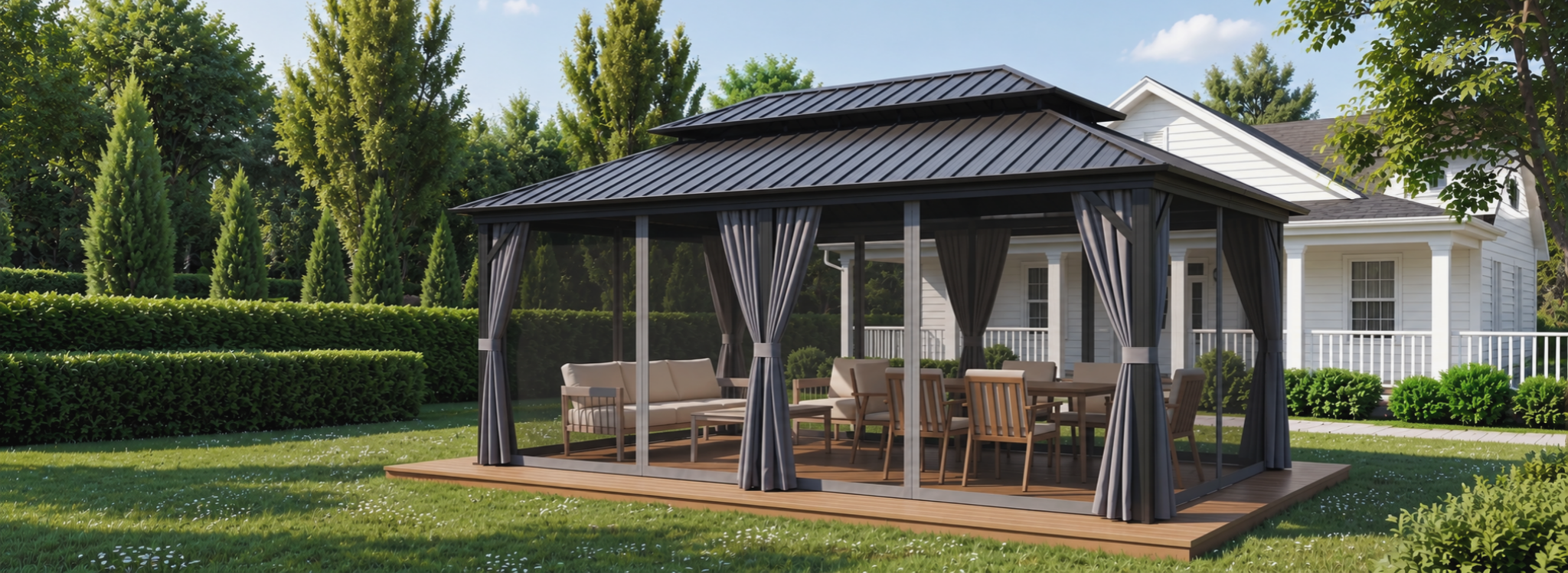
Outdoor structures require careful planning before installation because size affects comfort, function, and appearance. A 12' x 16' Outdoor Patio Hardtop Gazebo offers a practical rectangular layout for dining areas, lounge zones, and entertainment spaces. Buyers should measure the available outdoor area and consider surrounding factors such as pathways, walls, gardens, and existing furniture. Proper spacing allows users to move freely while maintaining visual balance. The location should also match sunlight direction and wind conditions. A well-planned layout improves daily usability and creates a comfortable outdoor environment. Residential owners and commercial buyers should evaluate expected usage before selecting a gazebo size. This approach helps achieve better value and long-term satisfaction.
12' x 16' Outdoor Patio Hardtop Gazebo: Evaluating Space, Structure, and Practical Use
A permanent gazebo requires a strong structure that supports regular outdoor activities and changing weather conditions. The 12' x 16' Outdoor Patio Hardtop Gazebo design provides enough coverage for multiple seating arrangements while maintaining a stable footprint. Buyers should review frame materials, connection systems, and roof support designs before purchase. Aluminum frames offer lightweight advantages and strong corrosion resistance, while steel frames provide higher strength for demanding environments. Reinforced corners, durable brackets, and stable posts improve overall reliability. Outdoor structures should match local climate conditions, including rain levels, temperature changes, and wind exposure. Selecting a suitable design helps users create a safer and more functional outdoor space.
Comparing Hardtop Roof Materials for Weather Protection and Durability
Roof material selection directly influences protection, maintenance needs, and service life. Aluminum panels are popular because they resist corrosion and provide strong coverage against sunlight and rain. Polycarbonate roofing creates a brighter atmosphere because it allows natural light transmission while reducing direct exposure. Some premium designs combine multiple materials to balance strength and appearance. Buyers should check panel thickness, surface coating quality, and connection methods because these details affect long-term performance. Powder-coated aluminum surfaces can improve resistance against fading and oxidation. A suitable roof system should handle seasonal weather changes while maintaining attractive appearance. Material evaluation helps buyers choose a structure that supports outdoor activities throughout different conditions.
Evaluating Frame Construction and Structural Stability Requirements
Frame construction determines the safety and durability of outdoor gazebos. High-quality frames usually include reinforced aluminum or steel components with carefully designed connection points. Posts provide vertical support, while beams distribute roof pressure across the structure. Strong brackets reduce movement and improve stability during windy conditions. Buyers should review material thickness because thinner components may reduce load capacity. Protective treatments also influence performance, especially in humid or coastal environments. Galvanized steel can reduce rust risks, while powder-coated aluminum improves surface protection. Professional suppliers often provide technical specifications for wind resistance and weight support. A reliable frame combines suitable materials, accurate engineering, and proper installation methods to maintain stable outdoor performance.
Key Features That Improve Comfort and Outdoor Experience
Modern gazebo designs include features that improve convenience and user comfort. Ventilated roof systems help reduce heat accumulation during warm seasons. Integrated drainage channels guide rainwater away from seating areas and protect outdoor furniture. Some models include adjustable louvers that allow users to control sunlight and airflow. Privacy screens and curtains can create a more comfortable atmosphere for residential or hospitality applications. Buyers should evaluate these additional functions based on their intended use. A family patio may require different features compared with a restaurant terrace. Practical accessories should support the main structure rather than increase unnecessary complexity. Choosing useful features creates a more enjoyable outdoor environment.
Important Factors for Wind Resistance, Safety, and Maintenance
Weather resistance remains an essential consideration when selecting outdoor structures. Strong winds, heavy rain, and temperature changes can affect gazebo performance over time. Buyers should check anchoring methods because secure foundations improve stability. Installation surfaces, including concrete, wooden decks, or paved areas, require different fixing solutions. Regular maintenance also influences product lifespan. Cleaning roof panels, checking connections, and inspecting protective coatings help prevent long-term damage. A well-maintained structure keeps its appearance and performance for many years. Safety features such as reinforced joints and durable fasteners provide additional protection during extreme conditions. Careful evaluation of these factors supports better purchasing decisions and reduces future maintenance costs.
A Professional Comparison of Common Hardtop Gazebo Specifications
Different gazebo specifications create different performance levels, so buyers should compare key features before making a purchase decision. Material quality, roof design, frame structure, and maintenance requirements directly affect product value. The following comparison shows common factors that influence outdoor gazebo selection.
| Specification | Common Options | Performance Considerations |
|---|---|---|
| Frame Material | Aluminum or Steel | Aluminum provides corrosion resistance, while steel offers higher structural strength. |
| Roof Material | Aluminum Panels or Polycarbonate | Metal roofs provide stronger protection, while polycarbonate improves natural lighting. |
| Surface Treatment | Powder Coating or Galvanizing | Protective finishes improve resistance against oxidation and environmental exposure. |
| Installation Type | Concrete Base, Deck, or Paved Surface | Proper anchoring improves stability and extends structural reliability. |
Material comparison helps buyers identify suitable solutions for different outdoor environments. Aluminum structures often attract users who prefer low maintenance and long service life. Steel options may suit locations that require stronger load performance. Roof selection depends on climate, sunlight conditions, and personal preferences. A detailed specification review prevents purchasing decisions based only on appearance. Professional evaluation should include technical data, supplier experience, and installation requirements. These factors provide a clearer picture of expected performance and help buyers select products that meet practical outdoor needs.
How Material and Design Choices Affect Gazebo Performance
Material selection influences durability, appearance, and daily comfort. A high-quality 12' x 16' Outdoor Patio Hardtop Gazebo combines suitable materials with functional design elements to create reliable outdoor protection. Aluminum frames offer excellent resistance against moisture because they do not easily corrode. Steel structures provide additional strength but may require stronger protective treatments. Roof designs also affect temperature control and weather protection. Solid panels block more sunlight, while transparent options create brighter spaces. Buyers should consider local climate conditions before choosing materials. Proper design coordination ensures that the gazebo performs effectively in different seasons. A balanced combination of materials and engineering creates better long-term value for outdoor applications.
Essential Buying Checklist for Outdoor Space Planning
A structured evaluation process helps buyers avoid unsuitable gazebo selections. Outdoor structures require attention to quality, functionality, and installation conditions. Important factors should be reviewed before final purchasing decisions.
- Check frame materials and structural reinforcement quality.
- Review roof materials and weather protection performance.
- Confirm dimensions match available outdoor space.
- Evaluate installation methods and maintenance requirements.
- Compare supplier specifications and product reliability.
A detailed checklist allows buyers to compare different options more efficiently. Frame strength, roof durability, and installation requirements directly influence long-term satisfaction. Buyers should also review supplier communication, production standards, and after-sales support. Reliable suppliers usually provide clear specifications and practical recommendations based on application needs. Careful assessment reduces unexpected problems after installation. A professional selection process focuses on both immediate requirements and future usage expectations. This approach creates a stronger foundation for choosing outdoor structures that deliver lasting performance.
How To Select a Gazebo Based on Real Applications and Usage Needs
Outdoor gazebo selection should match the specific purpose of the space. Residential users may focus on family gatherings, relaxation, and visual appeal. Commercial applications often require stronger durability because structures receive frequent use from customers. A patio dining area may need comfortable seating space, while a garden area may prioritize decorative value. Buyers should consider furniture placement, user numbers, and seasonal activities before purchase. The selected structure should support current needs while allowing future adjustments. Professional planning improves space efficiency and reduces unnecessary replacement costs. A suitable gazebo becomes a long-term outdoor investment rather than a temporary decoration. Application-based evaluation helps create practical and attractive outdoor environments.
Installation Planning and Long-Term Value Considerations
Installation quality directly affects gazebo safety, appearance, and service life. Buyers should prepare a suitable foundation before assembly begins. Uneven surfaces may create structural stress and reduce stability. Professional installation teams usually check alignment, connection tightness, and anchoring accuracy during assembly. Regular inspections after installation help maintain performance. Cleaning debris from roof channels and checking fasteners can prevent common maintenance issues. Long-term value depends on both product quality and care practices. A durable gazebo can provide years of outdoor enjoyment when installed correctly. Buyers should consider total ownership value instead of focusing only on initial purchase costs. Quality design, proper installation, and regular maintenance create better overall performance.
Frequently Asked Questions
What materials are commonly used for hardtop gazebo roofs?
Hardtop gazebo roofs commonly use aluminum panels, steel panels, or polycarbonate sheets. Aluminum is widely selected because it offers strong corrosion resistance and requires limited maintenance. Steel provides higher strength but needs protective coatings to prevent rust. Polycarbonate materials create brighter spaces because they allow natural light while reducing direct sunlight exposure. Buyers should compare roof thickness, coating quality, and connection methods before making a decision. The best material depends on climate conditions, expected usage, and maintenance preferences. A suitable roof system should provide reliable protection while matching the overall design requirements of the outdoor space.
How can a 12' x 16' Outdoor Patio Hardtop Gazebo improve outdoor spaces?
A 12' x 16' Outdoor Patio Hardtop Gazebo creates a comfortable covered area for dining, entertainment, and relaxation. Its rectangular design provides enough space for furniture arrangements without occupying excessive outdoor space. The hardtop structure protects users from sunlight and rain, allowing more consistent outdoor activities throughout the year. Additional features such as ventilation systems, lighting options, and privacy accessories can improve convenience. Residential properties can gain a more attractive outdoor living area, while commercial spaces can create additional customer seating environments. Proper placement and design selection help maximize the value and usability of the available space.
What factors should buyers check before purchasing a hardtop gazebo?
Buyers should evaluate several important factors before purchasing a hardtop gazebo. Structural materials, roof design, weather resistance, and installation requirements all influence product performance. Frame thickness and connection quality determine stability, while roof materials affect protection and maintenance needs. Local climate conditions should also influence material selection because different environments create different challenges. Buyers should review supplier specifications, warranty support, and customization options when comparing products. Proper measurements are also necessary to ensure the structure fits the intended location. A careful evaluation process helps buyers choose a durable gazebo that provides reliable outdoor performance and long-term value.