
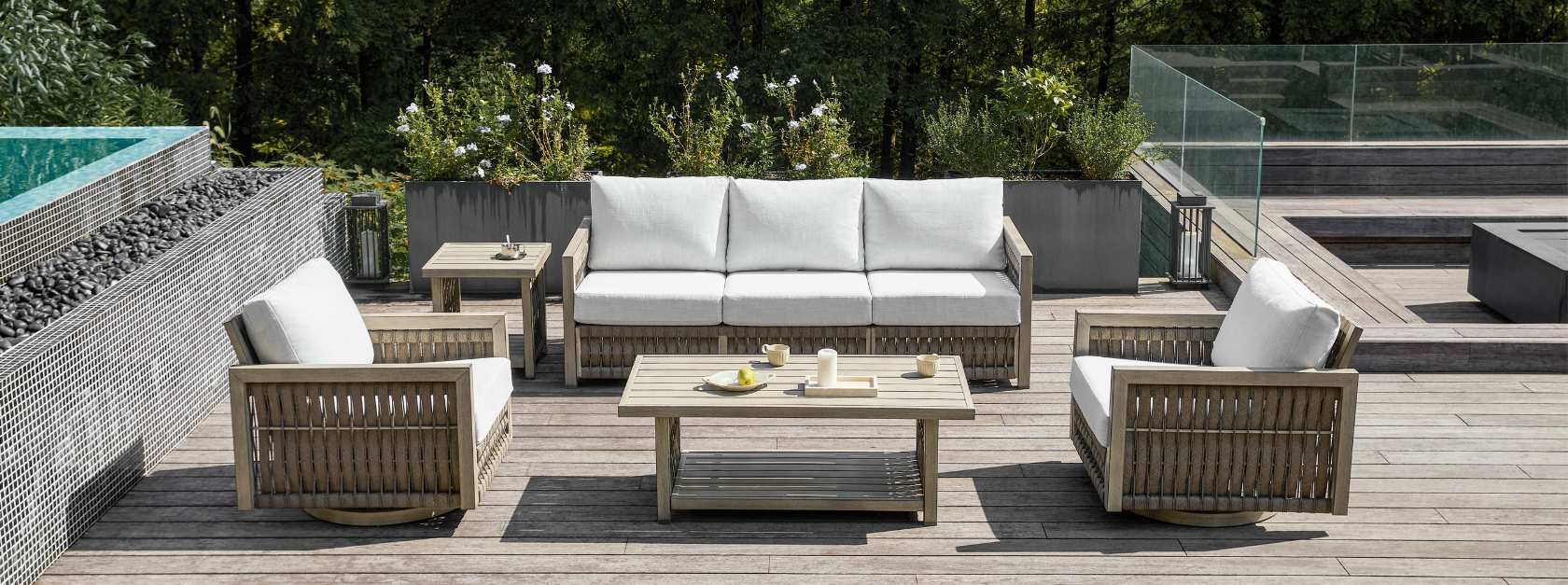
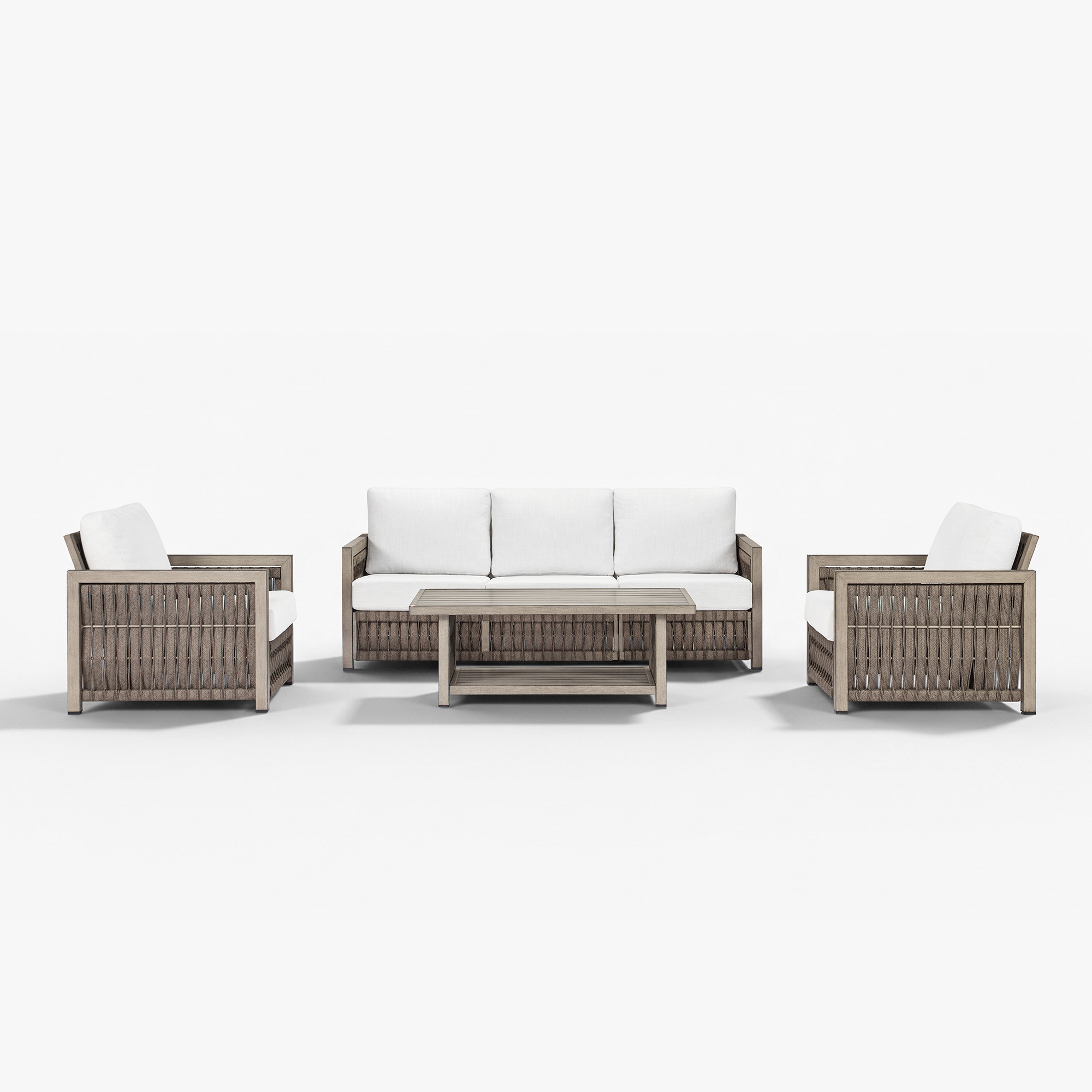

Rust free patio furniture is a long-term solution for outdoor spaces exposed to moisture and weather changes. rust free patio furniture appeals to buyers seeking durability without constant maintenance. Patios face rain, humidity, temperature shifts, and surface condensation. Ordinary furniture often corrodes under these pressures. rust free patio furniture avoids oxidation through material engineering and protective finishes. Choosing the right option requires more than visual preference. Structural quality, material composition, and environmental compatibility determine longevity. A careful selection process ensures reliable performance and consistent appearance over time. These factors explain why informed choices matter for outdoor investments.
Rust free patio furniture and Material Selection Principles
Rust free patio furniture performance begins with material selection. Aluminum alloys resist corrosion naturally. Stainless steel offers chemical stability through passive layers. Resin-coated metals block moisture penetration. Composite materials reduce exposed metal surfaces. Each material responds differently to environmental stress. Coastal patios require higher corrosion resistance. Dry climates allow broader material options. rust free patio furniture should match regional conditions. Material thickness affects long-term stability. Thin frames bend and crack more easily. Balanced material selection supports both strength and corrosion resistance.
Rust free patio furniture Frame Construction and Structural Quality
Frame construction determines how rust free patio furniture handles long-term stress. Weld quality affects joint durability. Poor welds crack under thermal expansion. rust free patio furniture uses reinforced joints and smooth weld seams. Seamless connections reduce moisture entry points. Hollow frames require drainage design. Water trapped inside accelerates corrosion. Solid or ventilated frames dry faster after rain. Structural geometry distributes weight evenly. rust free patio furniture with balanced design resists deformation. Construction quality directly impacts lifespan under outdoor use.
Rust free patio furniture Protective Coatings and Surface Treatments
Protective coatings enhance rust free patio furniture longevity. Powder coating creates a uniform moisture barrier. Electrostatic application ensures even coverage. Anodizing strengthens aluminum surfaces chemically. E-coating protects internal frame cavities. Multi-layer systems offer extended resistance. Surface preparation influences coating adhesion. Clean surfaces prevent peeling and flaking. rust free patio furniture relies on coating integrity for rust prevention. Damage exposes base metal quickly. Durable finishes maintain performance under repeated exposure.
- Powder-coated finishes for surface protection
- Anodized aluminum for chemical stability
- E-coated frames for internal coverage
- Resin layers to seal metal components
These treatments define long-term resistance. Each method addresses specific vulnerabilities. Combined use improves reliability significantly. Coating choice should align with exposure intensity. Proper application determines effectiveness over time.
Rust free patio furniture Drainage and Moisture Management Design
Moisture management is critical when selecting rust free patio furniture. Standing water accelerates corrosion processes. Furniture surfaces should shed water easily. Sloped profiles prevent pooling. Drain holes release internal moisture. Elevated legs reduce ground contact. Ground moisture often contains salts and minerals. rust free patio furniture minimizes prolonged wet exposure. Airflow around frames supports faster drying. Moisture-aware design complements material resistance. Poor drainage negates corrosion-resistant materials quickly.
Rust free patio furniture Weight, Stability, and Outdoor Placement
Weight influences rust free patio furniture performance. Lightweight furniture moves easily but may tip in wind. Heavy furniture offers stability but stresses joints. rust free patio furniture balances weight and strength. Stable placement reduces surface abrasion. Abrasion damages protective coatings. Protective pads reduce ground friction. Placement away from sprinklers limits moisture exposure. rust free patio furniture performs best with thoughtful positioning. Environmental awareness improves durability outcomes. Placement strategy supports long-term performance.
Rust free patio furniture Compared With Conventional Patio Furniture
This comparison clarifies selection priorities. rust free patio furniture integrates multiple protection strategies. Conventional options focus on cost efficiency. Over time, performance differences become visible. Long-term value favors corrosion-resistant construction. Selection decisions should consider lifecycle performance rather than initial appearance.
Practical Selection Criteria for rust free patio furniture Buyers
Choosing rust free patio furniture requires evaluating several criteria. Material grade should match climate severity. Coating type must suit moisture exposure. Frame design should support drainage. Joint construction must resist cracking. Hardware materials should prevent galvanic corrosion. Warranty coverage reflects manufacturer confidence. rust free patio furniture selection benefits from systematic evaluation. Ignoring one factor compromises overall durability. Balanced assessment leads to reliable outdoor performance.
- Climate compatibility of materials
- Quality and type of protective coatings
- Frame geometry and drainage features
- Hardware and fastener corrosion resistance
- Manufacturer durability assurance
These criteria guide informed decisions. Each point addresses a potential failure source. Selection based on appearance alone risks early degradation. rust free patio furniture performs best when chosen holistically. Structured evaluation improves satisfaction.
Product Category Recommendations Based on Usage
Different usage scenarios require different rust free patio furniture characteristics. Dining sets need structural rigidity. Lounge chairs require lightweight stability. Sectional sofas need reinforced joints. Poolside furniture demands splash resistance. Garden seating benefits from elevated frames. rust free patio furniture categories vary in design emphasis. Matching product type to use case improves longevity. Overloading furniture beyond design intent reduces lifespan. Usage awareness enhances selection accuracy.
Material Analysis for Long-Term rust free patio furniture Value
Material analysis helps predict long-term value. Aluminum offers corrosion resistance with light weight. Stainless steel provides strength with higher cost. Composite materials reduce metal exposure. Coated steel balances cost and performance. rust free patio furniture value depends on environment and use frequency. Higher-grade materials justify investment in harsh climates. Mild environments allow flexible choices. Material transparency supports informed purchasing.
Maintenance Considerations When Choosing rust free patio furniture
Maintenance requirements influence long-term satisfaction. rust free patio furniture should require minimal intervention. Smooth surfaces ease cleaning. Accessible joints simplify inspection. Replacement parts availability supports longevity. Basic maintenance preserves protective coatings. Avoiding harsh cleaners extends finish life. Maintenance compatibility aligns with lifestyle preferences. rust free patio furniture supports low-effort outdoor enjoyment.
FAQ
What is the most important factor when choosing rust free patio furniture?
The most important factor is material compatibility with the environment. rust free patio furniture relies on corrosion-resistant materials. Climate severity determines material performance. Coastal areas demand higher resistance. Rainy regions require strong coatings. Structural design and drainage also matter. Combined factors influence longevity. Selecting furniture based on environment ensures durability. Balanced evaluation prevents premature degradation. Material choice sets the foundation for long-term performance.
Does rust free patio furniture cost more than standard options?
Rust free patio furniture often costs more initially. Higher-grade materials increase manufacturing expense. Protective technologies add value. However, long-term costs are lower. Reduced maintenance saves time and money. Extended lifespan offsets upfront investment. Replacement frequency decreases significantly. rust free patio furniture delivers better lifecycle value. Cost evaluation should consider long-term performance rather than initial price.
How can buyers verify rust free patio furniture quality before purchase?
Buyers can verify quality through several indicators. Material specifications reveal corrosion resistance. Coating descriptions indicate protection level. Weld quality reflects construction standards. Warranty terms show manufacturer confidence. Product testing certifications add credibility. rust free patio furniture quality becomes evident through transparency. Asking detailed questions supports informed decisions. Verification reduces risk and improves satisfaction.