
What Makes an Aluminum Retractable Pergola Canopy for Patio Different?
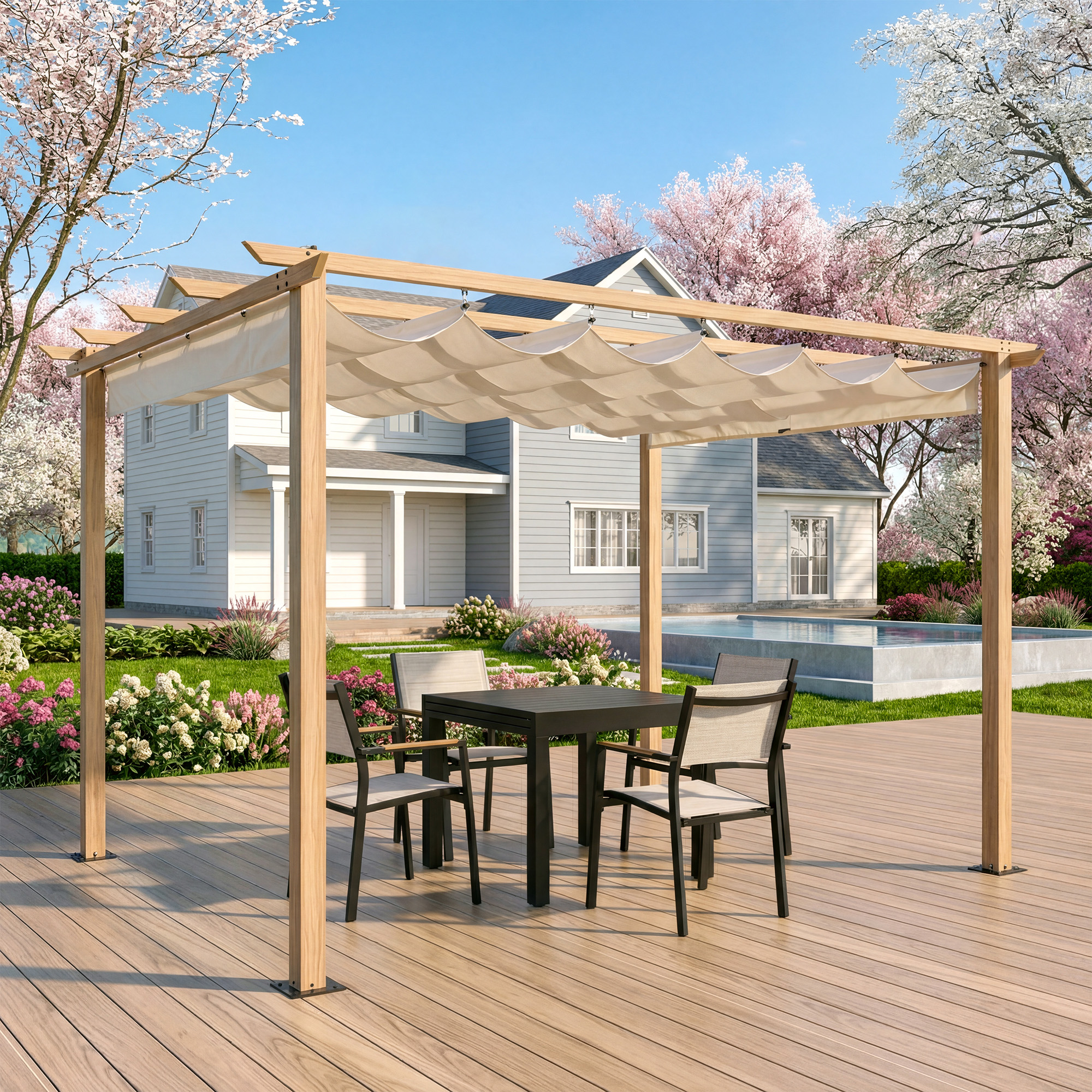
An aluminum retractable pergola canopy for patio combines structural framing with adjustable outdoor shading. Aluminum provides a relatively light structure with useful resistance to outdoor corrosion. The retractable canopy also changes how homeowners manage sunlight throughout the day. This flexibility differs from fixed pergolas with permanently open or covered roofs. Traditional awnings can provide shade, but they often offer less structural integration. A pergola system can also support lighting, drainage, and other outdoor features. Design quality still matters because aluminum thickness varies between manufacturers. Strong joints, accurate tracks, and stable posts influence long-term performance. Therefore, the value depends on construction quality rather than appearance alone.
How Does the Aluminum Frame Affect Long-Term Performance?
The aluminum frame carries the primary structural load of the pergola system. Extruded aluminum profiles can provide useful strength without the weight of heavier steel structures. However, profile dimensions and wall thickness directly affect rigidity. Larger profiles can resist bending more effectively under suitable loading conditions. Connection points also deserve attention because weak joints can reduce overall stability. Manufacturers may use bolts, brackets, reinforced corners, or concealed connectors. Outdoor aluminum should also receive suitable surface treatment for environmental exposure. Powder coating can create a durable surface layer when preparation and curing meet appropriate specifications. Scratches can still expose the underlying metal and create cosmetic deterioration over time. Buyers should therefore check profile specifications and coating details before comparing different systems. These technical details provide stronger evidence than simple claims about durability.
How Does a Retractable Canopy Control Sun and Rain?
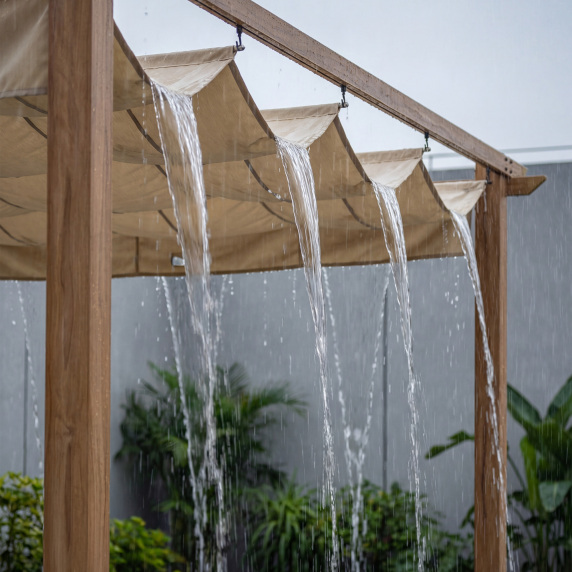
An aluminum retractable pergola canopy for patio changes shade coverage according to weather and daily activity. Full extension can reduce direct solar exposure across seating and dining areas. Partial extension allows users to balance shade with natural daylight. Complete retraction leaves the patio open when sunlight becomes desirable. Rain performance depends heavily on fabric construction and canopy angle. Water-resistant fabric can slow moisture penetration during light rainfall. Waterproof materials can provide stronger protection when seams and drainage are also properly designed. A slight roof slope can help direct water toward designated drainage channels. Flat fabric sections may create problems if water collects around weak points. Strong wind presents another consideration because extended fabric can increase exposed surface area. Users should follow the manufacturer's operating limits during severe weather. Retracting the canopy can reduce unnecessary stress on moving components.
Which Canopy Materials Work Best for Patio Use?
Fabric selection strongly influences comfort, appearance, and maintenance requirements. Polyester can offer good dimensional stability and practical abrasion resistance. Acrylic fabrics often provide strong color retention under prolonged sunlight. PVC-coated fabrics can deliver greater resistance to moisture and demanding outdoor conditions. However, heavier coatings may affect flexibility and overall appearance. Fabric density also matters because thicker constructions can provide better coverage and durability. UV resistance helps reduce fading and gradual fiber degradation. Water resistance limits moisture absorption but does not automatically indicate complete waterproofing. Seam construction also affects practical rain performance because stitched areas can become vulnerable points. Buyers should request fabric specifications instead of relying on descriptions such as premium outdoor fabric. Important information includes fiber composition, coating type, weight, UV resistance, and cleaning requirements. Matching the material to local weather conditions can improve long-term usability.
What Size and Layout Should a Patio Canopy Have?
Proper dimensions should follow the patio's furniture arrangement rather than the patio perimeter alone. Start by measuring the usable floor area around tables, chairs, sofas, and walking paths. Next, identify the area that requires consistent shade during peak sunlight. Column positions can affect furniture placement and circulation. A larger canopy does not automatically create a better outdoor layout. Oversized structures may reduce visual openness and complicate installation. Smaller systems can leave seating partially exposed during changing sun angles. Consider the canopy's projection, width, height, and retracting direction together. Ceiling height also matters when the structure connects near doors or windows. Allow sufficient clearance for furniture movement and routine maintenance. Local building requirements may also affect maximum dimensions or attachment methods. Careful measurements can prevent conflicts between the pergola, house structure, landscaping, and outdoor furniture.
Which Retractable Mechanism Should You Consider?
Retractable systems generally use manual or motorized mechanisms for canopy movement. Manual systems can rely on handles, cranks, or mechanical tension components. They usually contain fewer electrical parts and can simplify basic maintenance. Motorized systems use electric motors to move the canopy along designated tracks. Some systems include remote controls, wall switches, sensors, or smart-home integration. The motor must match the canopy's weight and movement resistance. Tracks should remain aligned because misalignment can increase friction and motor load. Rollers help transfer movement while maintaining smoother canopy travel. Tension systems keep fabric reasonably stable during operation and retraction. Motorized options can improve convenience for larger patio installations. However, electrical components introduce additional installation and maintenance requirements. Buyers should check motor specifications, operating cycles, power requirements, and replacement-part availability before selecting a system.
What Features Improve Everyday Patio Comfort?
Modern pergola systems can include several features beyond basic shade coverage. Integrated drainage can move rainwater away from seating and walking areas. Adjustable louvers may provide another method for controlling daylight and ventilation. Built-in lighting can extend patio use into evening hours. Some systems also support side screens for additional wind and privacy control. These additions should match the structural capacity of the selected frame. Lighting installations require suitable cable routing and electrical protection for outdoor environments. Drainage channels need regular cleaning because leaves can obstruct water flow. Wind screens can also increase the load placed on structural posts. Therefore, accessories should not be added without checking manufacturer specifications. Useful features should improve practical comfort without creating unnecessary maintenance. The right combination depends on climate, patio use, furniture arrangement, and installation conditions.
What Should You Check Before Buying an Aluminum Retractable Pergola Canopy for Patio?
A structured inspection can reduce problems during purchasing and installation. Buyers should request technical specifications rather than relying only on product photographs. The following points deserve particular attention:
- Aluminum profile size, wall thickness, and alloy specification
- Surface treatment and powder coating specifications
- Fabric composition, weight, UV resistance, and water resistance
- Track, roller, motor, and tension-system construction
- Drainage design and water discharge direction
- Maximum recommended wind and weather conditions
- Warranty coverage for structural and mechanical components
- Replacement-part availability and maintenance requirements
These details make supplier comparisons more consistent and transparent. They also help identify differences hidden behind similar product appearances. Warranty terms should clearly separate structural coverage from fabric and motor coverage. Buyers should also confirm installation requirements before placing an order. A professional supplier should provide dimensions, drawings, operating limits, and maintenance instructions. Checking these details early can prevent expensive modifications after delivery.
How Much Maintenance Does an Aluminum Pergola Canopy Need?
Regular maintenance helps preserve both appearance and mechanical performance. Aluminum frames usually require periodic cleaning to remove dust, pollen, and surface deposits. Mild soap and water can suit many coated aluminum surfaces. Abrasive cleaners may damage protective finishes and should generally be avoided. Tracks require particular attention because dirt can interfere with roller movement. Leaves and debris should also remain clear of drainage channels. Fabric maintenance depends on fiber type, coating, and manufacturer cleaning instructions. Harsh chemicals can weaken coatings or affect fabric color. Motorized systems require inspection of cables, switches, motors, and moving components. Unusual noise or uneven movement can indicate track alignment or roller problems. Seasonal inspection becomes especially useful before periods of heavy rain or strong winds. Consistent maintenance usually costs less than repairing neglected mechanical or drainage problems.
What Are the Main Limitations of Retractable Patio Canopies?
Retractable systems offer flexibility, but they also introduce additional mechanical considerations. Moving tracks, rollers, motors, and tension components require more attention than simple fixed structures. Fabric can gradually fade or weaken after prolonged ultraviolet exposure. Strong winds can also limit safe operation when the canopy remains extended. Rain protection depends on fabric construction, roof angle, seams, and drainage design. Initial costs may exceed those of simpler shade structures with fewer components. Motorized versions can increase installation complexity because electrical connections require suitable outdoor protection. Replacement components may also vary between manufacturers and product generations. Large structures require careful anchoring because wind loads increase with exposed surface area. These limitations do not make retractable systems unsuitable. They simply show why specifications and installation conditions matter. Buyers should evaluate the complete system rather than focusing on canopy appearance alone.
How Does an Aluminum Retractable Pergola Canopy for Patio Compare With Alternatives?
Different outdoor shade systems solve different practical problems. The table below compares several common options.
| System | Shade Control | Structure | Weather Flexibility | Maintenance |
|---|---|---|---|---|
| Retractable aluminum pergola | Adjustable | Rigid aluminum frame | High flexibility | Moderate |
| Fixed pergola | Limited | Rigid frame | Consistent | Low to moderate |
| Retractable awning | Adjustable | Wall-mounted | Moderate | Moderate |
| Fabric gazebo | Limited | Lightweight frame | Moderate | Moderate |
The comparison shows why system selection should follow actual outdoor requirements. A fixed pergola provides consistent structure but offers less shade adjustment. Retractable awnings usually require suitable wall mounting and may cover smaller areas. Fabric gazebos can provide flexible placement but may offer less structural integration. A retractable aluminum pergola combines a rigid frame with adjustable overhead coverage. However, its mechanical components create additional maintenance responsibilities. Patio size, weather exposure, installation conditions, and intended use should therefore shape the final specification.
Is an Aluminum Retractable Pergola Canopy for Patio Suitable for Your Space?
An aluminum retractable pergola canopy for patio can suit spaces requiring adjustable shade and durable framing. The decision should begin with climate rather than visual style. Areas with strong sunlight may benefit from high UV-resistant fabric. Regions with frequent rainfall require effective drainage and suitable fabric protection. Wind exposure makes anchoring, profile dimensions, and operating limits particularly important. Patio size also affects whether a retractable mechanism provides meaningful coverage. Frequent outdoor dining may justify motorized operation and integrated lighting. Occasional use may make a simpler manual system more practical. Maintenance expectations should also match the selected mechanism and fabric. Buyers should compare structural specifications, fabric performance, accessories, warranty terms, and installation requirements. When these factors align with actual site conditions, the system can provide adaptable outdoor comfort.
FAQ
How long does an aluminum retractable patio canopy last?
The service life depends on aluminum quality, coating performance, fabric construction, and mechanical maintenance. Aluminum frames can remain functional for many years when properly installed and maintained. Surface coatings may gradually fade or show wear under intense ultraviolet exposure. Fabric normally experiences greater environmental stress than the metal frame. Motorized systems also depend on motor quality, track alignment, and operating frequency. Regular cleaning can reduce debris-related friction and drainage problems. Severe weather can shorten component life when users operate the canopy beyond recommended limits. Buyers should therefore examine warranty coverage for separate components. Structural warranties may differ from fabric or motor warranties. Proper installation also matters because uneven mounting can increase mechanical stress. A realistic service-life estimate should consider the entire system rather than the aluminum frame alone.
Can a retractable pergola canopy withstand heavy rain and wind?
Weather resistance depends on several components working together. The canopy fabric must provide suitable water resistance for the intended rainfall conditions. Roof pitch and drainage channels must move water away from the covered area. Seams require careful construction because stitching can create potential leakage points. Wind performance depends on frame strength, anchoring, canopy dimensions, and exposure. Extended fabric creates greater wind resistance than a fully retracted canopy. Manufacturers therefore establish operating limits for different conditions. Users should retract the canopy when weather exceeds those limits. Local installation conditions can also change actual wind loads around buildings and landscaping. Buyers should request documented load information when weather exposure is significant. A canopy should not be treated as a permanent shelter during severe storms. Correct operation remains essential for protecting both the fabric and structural components.
Is a motorized retractable pergola canopy difficult to maintain?
Motorized systems require several additional components compared with manual designs. The motor moves the canopy through a track or mechanical drive system. Rollers and tracks need periodic inspection to maintain smooth movement. Electrical connections should remain protected from moisture and physical damage. Remote controls and switches may also require occasional troubleshooting. Fabric still needs cleaning according to its specific material and coating requirements. Unusual sounds, jerky movement, or incomplete retraction can indicate mechanical problems. Continuing operation under those conditions may increase component wear. Professional service may become necessary when motors or electrical components require replacement. However, routine care does not necessarily involve complex procedures. Keeping tracks clean and checking drainage can prevent many common problems. Choosing a system with accessible replacement parts can also simplify long-term maintenance.