The Role Of An Outdoor Dining Table In Garden Social Life
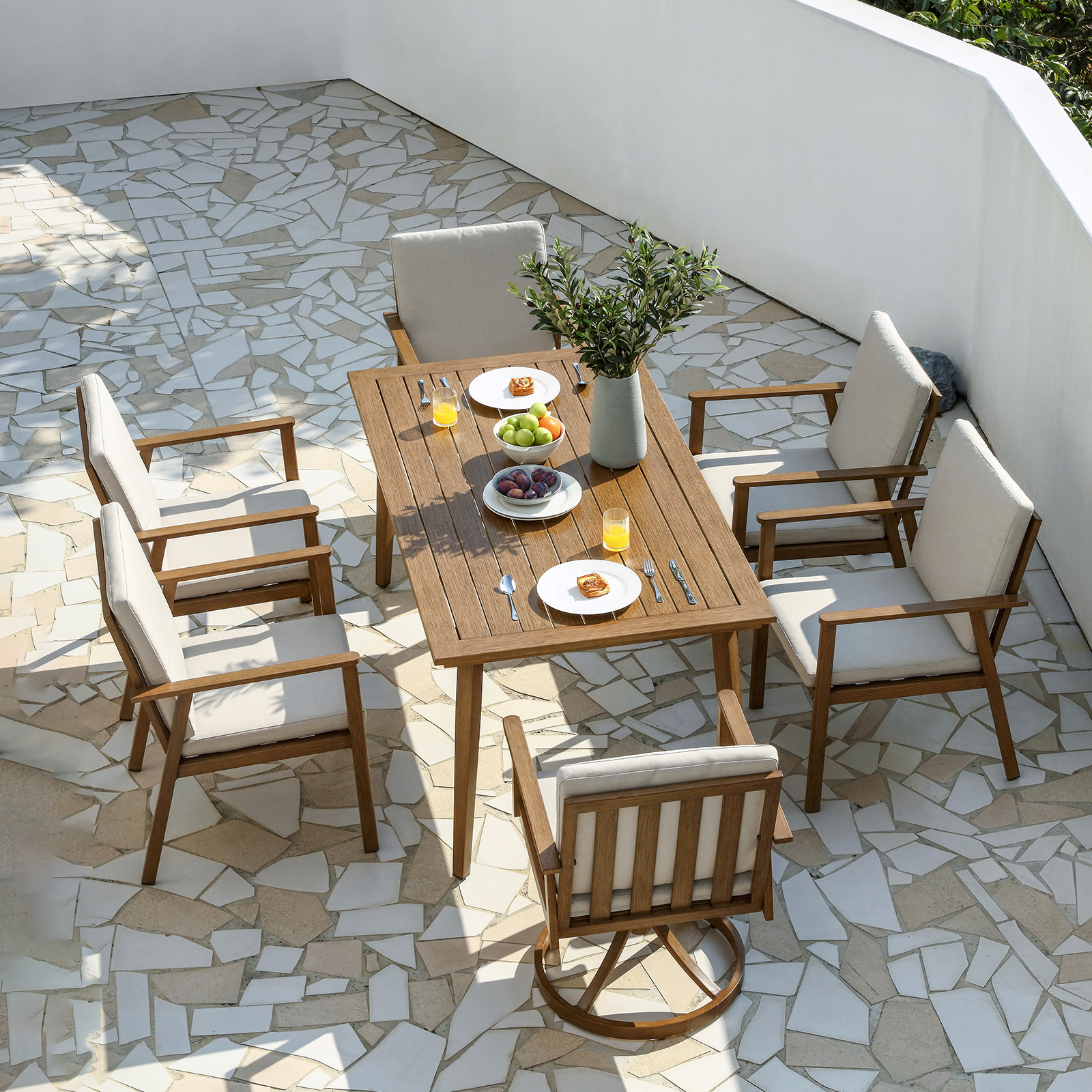
In garden entertaining, the outdoor dining table naturally becomes the focal point where conversations begin and relationships deepen. Unlike indoor dining, garden gatherings encourage movement, casual seating, and longer, more relaxed meals. An outdoor dining table for garden entertaining anchors this experience by giving guests a shared place to sit, eat, and connect while still enjoying the surrounding greenery and fresh air.
A well-placed table defines the entertaining zone within the garden, helping guests intuitively understand where to gather without needing formal direction. It also supports the rhythm of social events, from welcoming drinks to shared meals and post-dinner conversations. When the table feels stable, spacious, and comfortable, guests are more likely to linger, turning simple meals into extended social moments that make garden entertaining feel effortless and inviting.
Choosing Table Sizes That Support Comfortable Garden Gatherings
Table size plays a critical role in how smoothly garden entertaining unfolds. An outdoor dining table for garden entertaining should offer enough surface space for food, drinks, and décor without crowding guests or limiting movement. Smaller tables suit intimate gatherings, while larger tables allow hosts to accommodate friends and family comfortably without sacrificing personal space.
In garden settings, spacing around the table is just as important as the table itself. Guests should be able to move chairs freely, walk around the table, and access serving areas without disruption. A well-sized table balances seating capacity with circulation, ensuring the garden remains open and welcoming rather than cramped or congested during events.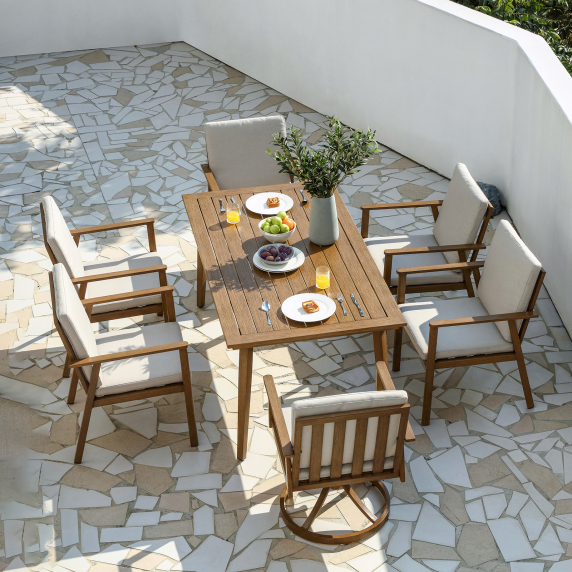
Common Table Size Guidelines For Garden Entertaining
-
Four-seat tables for intimate meals and casual gatherings
-
Six-seat tables for family dinners and small garden parties
-
Eight-seat or extendable tables for larger social events
-
Adequate clearance around the table for easy movement
After selecting the appropriate size, the table supports a natural flow of interaction, allowing garden entertaining to feel relaxed rather than crowded.
Table Shapes And Their Impact On Conversation And Flow
The shape of an outdoor dining table for garden entertaining directly influences how guests interact. Round tables encourage equal participation, making conversation easier and more inclusive, especially for smaller gatherings. Rectangular tables suit longer guest lists and formal garden dinners, providing structure while still allowing social flexibility.
Square tables offer a balance between intimacy and space efficiency, making them suitable for compact garden areas. The key is matching table shape to the type of entertaining you enjoy most. Casual, conversational gatherings benefit from shapes that minimize distance between guests, while structured meals may benefit from longer surfaces that separate dining and serving areas.
How Table Shape Affects Garden Entertaining
-
Round tables promote inclusive conversation
-
Rectangular tables suit larger, structured gatherings
-
Square tables work well in compact gardens
-
Extendable designs adapt to changing guest numbers
Choosing the right shape enhances social dynamics, making the table an active contributor to the overall entertaining experience.
Material Choices That Complement Garden Environments
Material selection influences not only durability but also how well an outdoor dining table for garden entertaining blends into its surroundings. Gardens often feature natural textures, plants, and seasonal changes, so tables should complement rather than overpower the landscape. Wood, metal, and composite materials each bring different visual and functional qualities to garden settings.
Aluminum and powder-coated steel offer clean lines and weather resistance, making them suitable for modern gardens or areas exposed to moisture. Wood and wood-look materials add warmth and blend naturally with greenery, though they require more maintenance. Resin and composite tables balance durability with aesthetic flexibility, fitting seamlessly into both traditional and contemporary gardens.
| Material | Visual Style | Weather Resistance | Maintenance Level |
|---|---|---|---|
| Aluminum | Modern, Clean | Excellent | Low |
| Powder-Coated Steel | Structured, Elegant | High | Medium |
| Wood Or Teak | Natural, Warm | Medium | High |
| Composite Or Resin | Versatile | Excellent | Low |
Selecting materials that suit the garden’s character enhances visual harmony and supports long-term entertaining use.
Creating Inviting Layouts Around The Dining Table
Layout planning transforms an outdoor dining table for garden entertaining into a true social hub. Positioning the table to take advantage of views, shade, and garden pathways makes gatherings feel intentional and thoughtfully designed. Tables placed near flower beds, trees, or garden lighting create a sense of immersion rather than separation from the outdoor environment.
Accessibility is another key consideration. Guests should move easily between the dining table, serving areas, and other garden features without obstruction. Thoughtful layouts encourage mingling while still keeping the table as the central meeting point. When the layout feels natural, hosts can focus on enjoying the event rather than managing space constraints.
Layout Tips For Garden Entertaining
-
Position tables near natural shade or lighting
-
Allow clear walkways around seating areas
-
Integrate serving surfaces nearby
-
Use rugs or planters to visually define the dining zone
With a well-planned layout, the table becomes an effortless extension of the garden’s social flow.
Comfort And Seating Considerations For Longer Gatherings
Garden entertaining often lasts longer than indoor meals, making comfort a priority. An outdoor dining table for garden entertaining should pair with seating that supports extended use without discomfort. Chair spacing, seat height, and arm clearance all influence how relaxed guests feel during long conversations and shared meals.
Tables that allow sufficient legroom and chair movement encourage guests to adjust positions easily, reducing stiffness and fatigue. Comfortable seating transforms the dining table into a place where guests stay engaged long after the meal ends, reinforcing the social purpose of garden entertaining.
Comfort Factors To Prioritize
-
Adequate legroom under the table
-
Proper chair spacing for easy movement
-
Stable table height for relaxed posture
-
Optional cushions for extended comfort
Comfort-focused choices elevate the table from a dining surface to a true social anchor within the garden.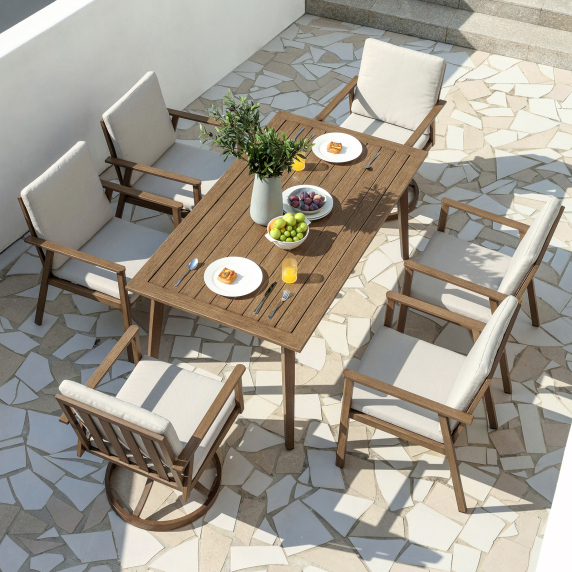
FAQ
How Does An Outdoor Dining Table Enhance Garden Entertaining Experiences?
An outdoor dining table for garden entertaining creates a natural gathering point that brings people together in a relaxed, open-air setting. It supports shared meals, conversations, and social rituals that define successful garden events. By offering a stable, comfortable surface, the table encourages guests to stay longer and engage more deeply. Over time, it becomes associated with positive experiences, strengthening its role as the heart of garden social life rather than just a functional piece of furniture.
What Table Size Is Best For Hosting Garden Parties?
The best table size depends on typical guest numbers and available garden space. For small gatherings, four to six-seat tables provide intimacy and flexibility. For larger garden parties, eight-seat or extendable tables allow hosts to accommodate more guests without crowding. Adequate space around the table is equally important, as it allows movement and mingling. A properly sized table ensures comfort while maintaining an open, welcoming garden atmosphere.
Which Materials Work Best For Long-Term Garden Entertaining Use?
Materials that balance durability and aesthetics perform best in garden entertaining environments. Aluminum and composite materials resist weather exposure and require minimal maintenance, making them ideal for frequent use. Wood offers a natural look that blends beautifully with gardens but requires regular care. Selecting weather-resistant materials ensures the table remains visually appealing and structurally sound, supporting years of memorable garden gatherings.
.jpg?w=1600&h=1600)