
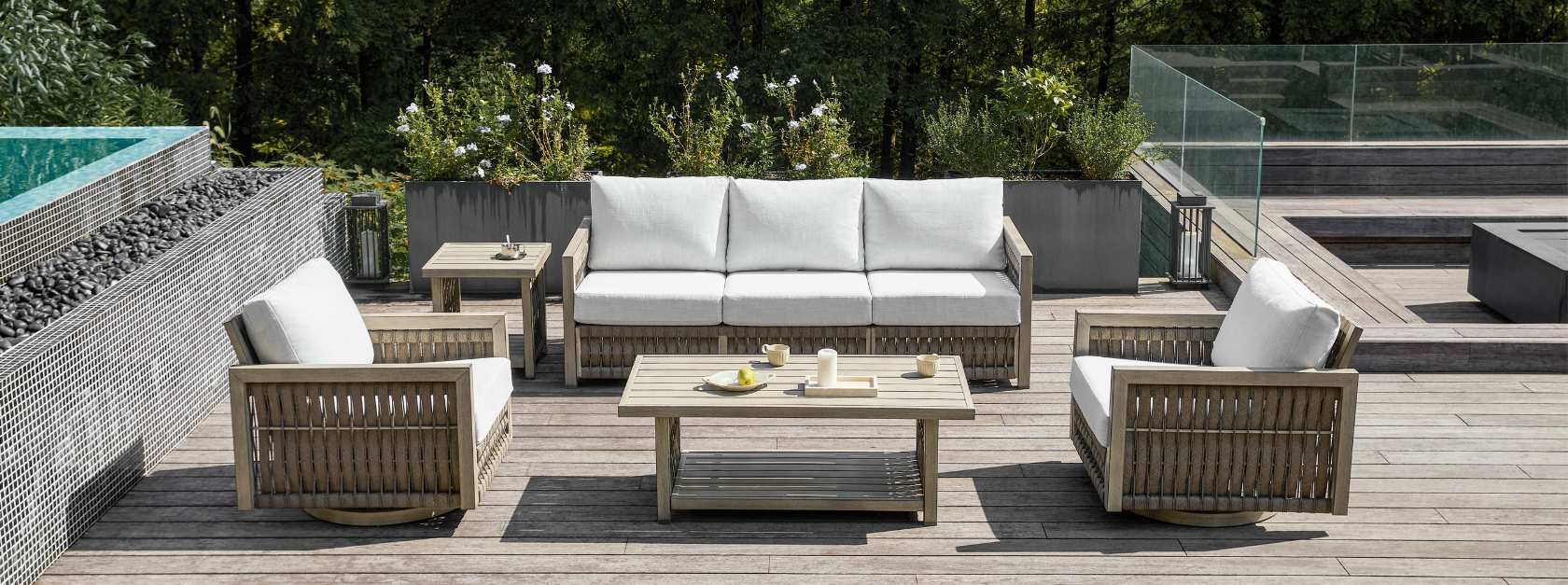
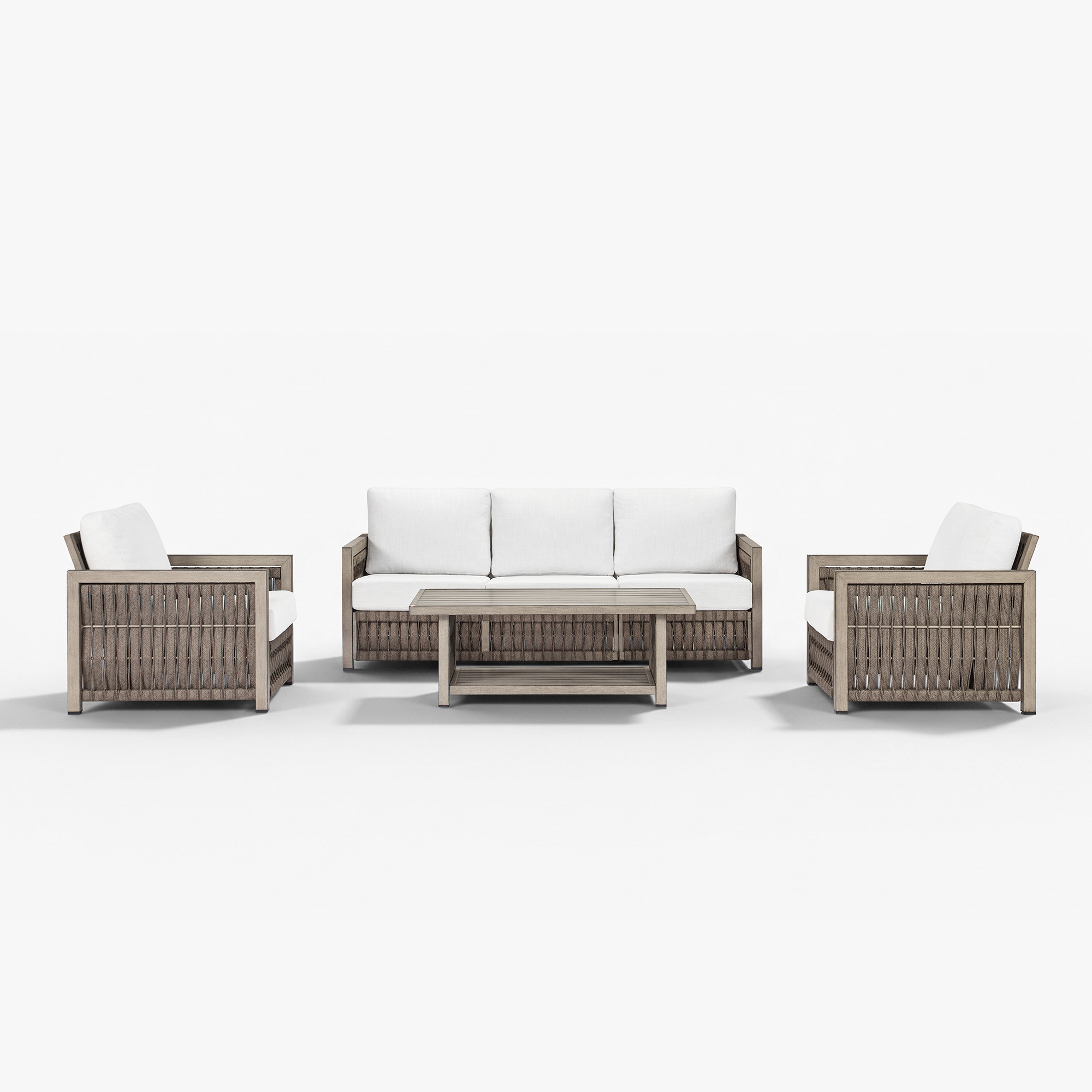
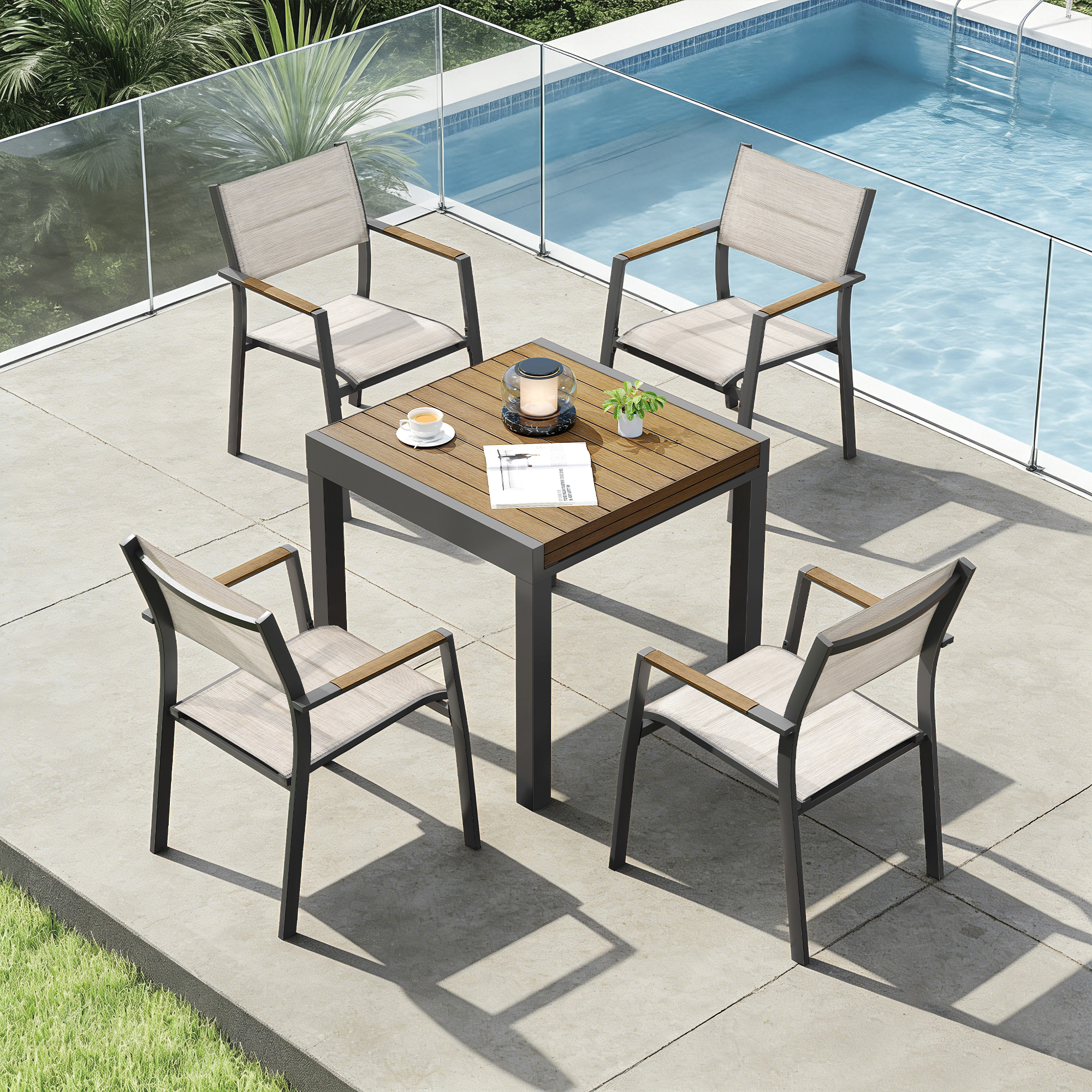
The commercial outdoor furniture sector continues expanding across hospitality projects worldwide. Demand for durable seating solutions rises in resorts, cafes, and residential developments. Metal rocking chairs gain popularity due to their long service life. Buyers focus on lifecycle value rather than initial price alone. Project planners often combine seating with patio rectangle coffee table wood grain to create cohesive layouts. Such combinations improve visual consistency and user comfort. Additionally, urban outdoor renovation projects increase procurement volumes significantly. Procurement teams evaluate weather resistance, structural integrity, and maintenance requirements carefully. Market competition also drives manufacturers to improve coating technologies. As a result, modern metal rocking chairs now deliver both aesthetic appeal and industrial durability.
Key Material Innovations in Outdoor Rocking Chair Design
Material selection plays a central role in outdoor furniture engineering. Aluminum alloys provide lightweight strength and resist corrosion effectively. Powder-coated steel offers higher load capacity and improved rigidity. Manufacturers apply electrostatic powder coating to prevent oxidation and UV damage. Advanced coatings meet international salt spray testing standards. Some designs mimic patio rectangle coffee table wood grain finishes to match surrounding furniture. Composite finishes replicate natural textures while maintaining durability. Engineers also optimize tubing thickness to balance weight and strength. Material innovation reduces maintenance frequency and extends product lifespan. Consequently, buyers gain cost efficiency over long-term usage.
How patio rectangle coffee table wood grain Complements Seating Design
Outdoor environments require visual harmony across all furniture elements. Designers integrate rocking chairs with patio rectangle coffee table wood grain to create unified spaces. Matching textures enhance perceived quality in commercial settings. This consistency improves customer satisfaction in hospitality environments. Additionally, coordinated furniture simplifies procurement decisions for project managers. Color matching between metal frames and wood grain surfaces becomes essential. Surface finishes must align with branding themes in hotels or cafes. Proper pairing also improves spatial balance in outdoor layouts. Therefore, design integration directly impacts both aesthetics and commercial value.
Structural Engineering and Load-Bearing Performance
Engineering design determines the reliability of outdoor rocking chairs. Manufacturers use precision welding techniques to ensure frame stability. Load-bearing capacity typically ranges from 150 to 250 kilograms. Reinforced joints improve durability under repetitive motion stress. Designers also test rocking balance to prevent tipping risks. Safety standards require consistent weight distribution across the frame. High-quality chairs undergo fatigue testing to simulate long-term usage. Engineers evaluate stress points using mechanical analysis tools. Strong structural integrity reduces warranty claims and maintenance costs. As a result, buyers prioritize engineering quality during supplier selection.
Ergonomics and Comfort Optimization in Rocking Chairs
Comfort remains a key factor in commercial seating solutions. Designers calculate optimal backrest angles for natural posture support. Rocking motion must remain smooth and controlled. Cushion systems often use high-density foam with weather-resistant covers. Fabric materials include olefin and polyester blends for durability. These materials resist fading and moisture absorption effectively. Armrest height and seat depth also influence comfort levels. Proper ergonomic design encourages longer user engagement in outdoor spaces. Hospitality businesses benefit from improved customer retention. Therefore, ergonomic optimization contributes directly to revenue generation.

Manufacturing Standards and Quality Control Systems
Quality control ensures consistent performance across production batches. Manufacturers follow ISO-certified processes for outdoor furniture production. Surface treatments undergo adhesion and abrasion testing. Coating thickness must meet strict tolerance standards. Inspection teams verify welding quality and structural alignment. Some suppliers align finishes with patio rectangle coffee table wood grain systems for consistency. Certification requirements vary by region and application. Testing procedures include UV exposure and salt spray resistance. Documentation supports international trade compliance and customs clearance. Reliable quality systems reduce risks in large-scale procurement projects.
Comparative Analysis of Metal Types in Outdoor Rocking Chairs
Different metals offer distinct advantages in outdoor applications. Aluminum provides corrosion resistance and easy mobility. Steel offers higher strength but requires protective coatings. Stainless steel delivers premium durability in harsh environments. Each material affects cost and maintenance requirements. Selection depends on project location and usage frequency. Coastal environments demand higher corrosion resistance. Urban settings prioritize structural strength and cost efficiency. Buyers must balance performance with budget constraints. Proper material selection ensures long-term operational efficiency.
Material Comparison Table
| Material | Weight Capacity | Corrosion Resistance | Maintenance Level | Typical Application |
|---|---|---|---|---|
| Aluminum | 150–180 kg | High | Low | Resorts, coastal hotels |
| Powder-Coated Steel | 180–220 kg | Medium | Medium | Urban outdoor cafes |
| Stainless Steel | 200–250 kg | Very High | Low | Luxury developments |
Application Scenarios in Commercial Outdoor Spaces
Outdoor furniture serves diverse commercial environments. Hotels and resorts require durable yet stylish seating. Cafes prioritize space efficiency and aesthetic appeal. Real estate developers use furniture for staging purposes. Designers often include patio rectangle coffee table wood grain to enhance visual warmth. Furniture layout influences customer interaction and comfort. Proper spacing improves accessibility and usability. Weather-resistant materials ensure long-term performance. Businesses benefit from reduced replacement frequency. Therefore, application context shapes purchasing decisions significantly.
Key Selection Criteria for B2B Buyers
Procurement teams evaluate several critical factors during selection. Cost-performance ratio remains a primary consideration. Minimum order quantity affects supplier partnerships. Customization options support branding and project requirements. Logistics planning ensures timely delivery and damage prevention. Packaging must comply with international shipping standards. Buyers also assess compatibility with patio rectangle coffee table wood grain setups. Supplier reliability influences long-term cooperation success. Quality certifications provide assurance of product performance. Strategic selection reduces operational risks and improves project outcomes.
Specification Comparison Table
| Feature | Standard Range | Premium Range | Impact on Performance |
|---|---|---|---|
| Frame Thickness | 1.2–1.5 mm | 1.5–2.0 mm | Higher durability |
| Coating Type | Powder Coating | Advanced UV Coating | Improved weather resistance |
| Cushion Density | 20–25 kg/m³ | 25–30 kg/m³ | Better comfort retention |
| Warranty | 1–2 years | 3–5 years | Lower lifecycle risk |
Key Advantages of Modern Metal Rocking Chairs
- Strong resistance to weather and corrosion
- Long service life in commercial environments
- Minimal maintenance requirements
- High structural stability and safety
- Compatibility with patio rectangle coffee table wood grain layouts
Integration Strategy for Procurement Decisions
Interpreting technical specifications requires practical insight. Buyers should align product features with project conditions. For example, coastal environments require higher corrosion resistance. High-traffic areas demand stronger structural capacity. Combining seating with patio rectangle coffee table wood grain improves design consistency. Procurement teams must also evaluate supplier reliability. Bulk purchasing requires consistent product quality across batches. Misalignment between specifications and usage leads to higher costs. Strategic planning ensures optimal investment outcomes. Therefore, integration between design and procurement remains essential.
Future Trends in Outdoor Furniture Design
Outdoor furniture design continues evolving with technological advancements. Sustainable materials gain increasing attention in global markets. Manufacturers explore recyclable metals and eco-friendly coatings. Smart coatings improve resistance to environmental damage. Modular furniture systems offer flexibility in layout design. Demand for coordinated sets including patio rectangle coffee table wood grain continues growing. Digital design tools assist in planning outdoor spaces. Innovation focuses on both functionality and environmental impact. Future developments will prioritize durability and sustainability equally.
Conclusion: Choosing the Right Rocking Chair for Commercial Use
Selecting the right rocking chair requires careful evaluation of multiple factors. Material choice directly affects durability and maintenance costs. Structural engineering ensures safety and long-term performance. Ergonomic design enhances user comfort and engagement. Coordination with patio rectangle coffee table wood grain improves overall aesthetics. Buyers should prioritize certified suppliers with proven quality systems. Strategic procurement decisions reduce risks and improve project efficiency. Long-term value outweighs short-term cost considerations. Therefore, informed selection leads to better commercial outcomes.
FAQ
What is the most durable material for outdoor rocking chairs?
Aluminum and stainless steel are widely considered durable materials. Aluminum resists corrosion effectively in outdoor environments. Stainless steel offers superior strength and long-term performance. However, cost differences influence material selection decisions. Powder-coated steel provides a balance between strength and affordability. Durability also depends on coating quality and manufacturing standards. Proper maintenance extends the lifespan of any material. Environmental conditions play a critical role in performance outcomes. Coastal areas require higher corrosion resistance compared to inland locations. Therefore, selecting the right material depends on both application and budget considerations.
How does patio rectangle coffee table wood grain improve outdoor design consistency?
Coordinated furniture design enhances visual harmony in outdoor spaces. A wood grain table introduces warmth and natural texture. When paired with metal rocking chairs, contrast becomes visually appealing. Designers often match color tones across different furniture pieces. This approach creates a cohesive and professional appearance. Commercial environments benefit from consistent design language. Customers perceive higher quality in well-coordinated spaces. Functional layout also improves usability and comfort. Proper pairing simplifies procurement and planning processes. Therefore, integrating matching elements significantly improves both aesthetics and functionality.
What certifications should commercial buyers require from suppliers?
Certifications ensure product reliability and compliance with international standards. ISO certifications confirm quality management systems in manufacturing. Outdoor furniture should pass UV resistance and salt spray tests. These tests simulate harsh environmental conditions. Buyers should also verify coating adhesion and durability reports. Safety standards ensure structural stability under regular use. Documentation supports import regulations and customs clearance. Reliable suppliers provide transparent testing data for verification. Certification requirements may vary depending on market regions. Therefore, verifying compliance reduces procurement risks and ensures long-term performance.