
Why Table Capacity Matters For Outdoor Dining
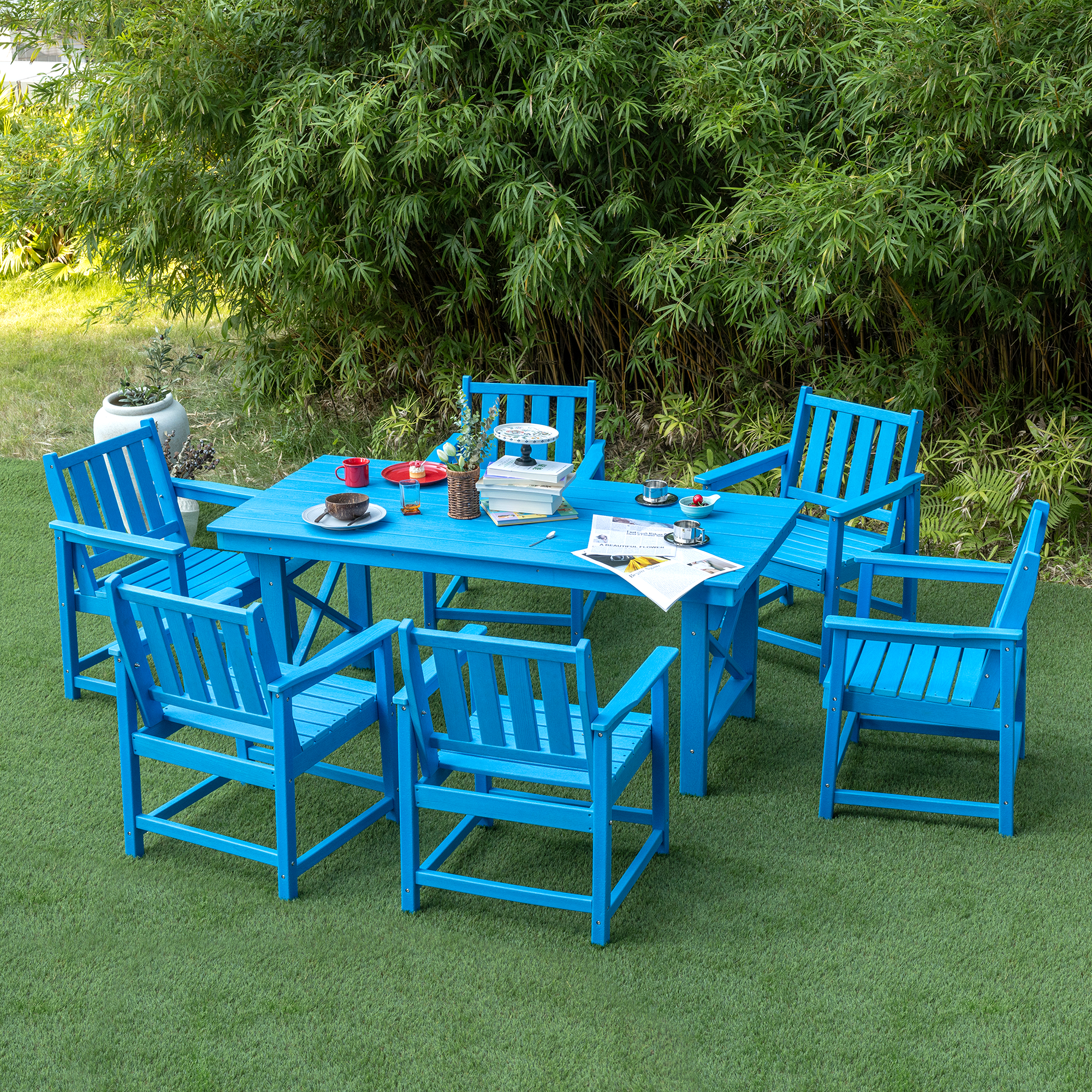
An HDPE outdoor dining table for 6 needs more than six seating positions. Its usable surface should support plates, glasses, serving dishes, and shared food comfortably. Six people can quickly occupy a table when meals include multiple dishes. Therefore, buyers should evaluate usable tabletop area rather than advertised seating alone. A practical layout also needs enough clearance for chairs and normal movement. Dining guests should avoid hitting table legs when standing or sitting. Commercial patios require additional clearance because guests and staff move around frequently. Residential decks may have tighter spatial limits. Table capacity therefore depends on dimensions, leg placement, chair compatibility, and surrounding clearance. These factors work together to determine whether six people can dine comfortably.
How Large Should An HDPE Outdoor Dining Table For 6 Be?
A six-person table commonly needs enough length for three diners on each side. Rectangular designs often provide efficient seating within compact outdoor areas. A tabletop around 60 to 72 inches long can support six diners comfortably. Width also matters because narrow tables limit shared dishes and serving space. A width around 36 to 40 inches generally provides useful dining depth. Larger widths create more space but require greater patio clearance. Table height should also match standard outdoor dining chairs. Around 28 to 30 inches usually supports conventional dining positions. Buyers should check the actual tabletop dimensions rather than relying on seating descriptions. Manufacturing tolerances can also affect final dimensions. For commercial orders, dimensional consistency matters because multiple tables may occupy one coordinated outdoor layout.
How HDPE Composition Affects Outdoor Durability
High-density polyethylene has a relatively stable molecular structure and strong resistance to moisture. Unlike untreated wood, HDPE does not absorb water into its structure. That property helps reduce swelling, cracking, and moisture-related deterioration. The material also resists many common household chemicals and cleaning agents. However, outdoor performance still depends on the specific formulation. UV stabilizers can help reduce degradation caused by prolonged sunlight exposure. Pigments also influence color stability under repeated outdoor exposure. A quality tabletop should maintain dimensional stability across normal temperature changes. Recycled content may also vary between products, so buyers should request material specifications. For commercial procurement, consistent material composition helps maintain appearance across multiple tables. Material verification therefore matters when outdoor furniture will remain exposed throughout the year.
What Surface Properties Support Daily Outdoor Use?
Outdoor dining surfaces face repeated contact with food, drinks, dirt, sunscreen, and cleaning products. A practical tabletop should therefore support quick and consistent cleaning. Smooth surfaces usually allow spills to be wiped away with less effort. However, excessive gloss can make scratches and surface marks more visible. Light texture may improve visual character while still allowing routine cleaning. Edge construction also deserves attention because crumbs and liquids can collect around poorly finished borders. Outdoor restaurants may clean tables several times during one service period. Residential users may prioritize stain resistance and simple seasonal maintenance instead. One practical patio application involves six diners sharing grilled food, sauces, drinks, and side dishes. Such meals create more spills than simple coffee service. Surface design should therefore match the expected cleaning frequency and food-service conditions.
How Should The Frame Support A Six-Person Table?
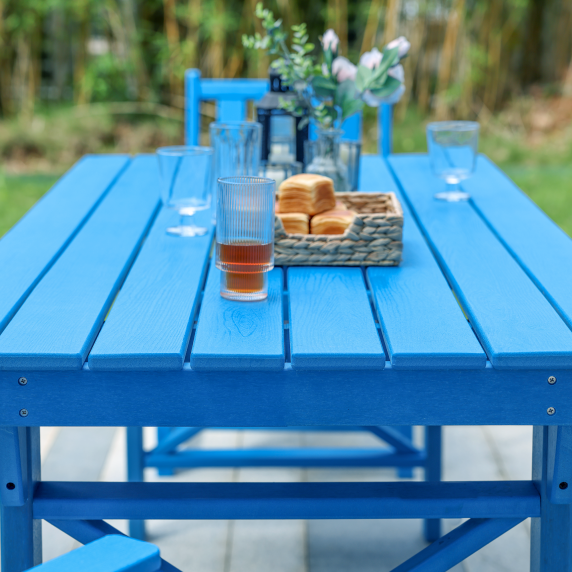
The frame transfers tabletop loads toward the legs and ground. Its design directly affects stability during normal dining activity. A table can have a strong tabletop but still feel unstable with a weak frame. Cross supports can reduce unwanted movement between opposing legs. Properly positioned braces can also improve resistance to lateral forces. Leg geometry affects both stability and available legroom. Four-corner legs may provide strong support but can interfere with chairs. Central supports can improve seating clearance but require careful structural design. Connection points deserve equal attention because loose joints can create repeated movement. Commercial furniture should withstand frequent sitting, standing, cleaning, and repositioning. Buyers should therefore evaluate the entire support system instead of focusing only on tabletop material.
Which Fasteners And Joints Matter Outdoors?
Outdoor furniture connections face moisture, temperature changes, and repeated mechanical movement. Fastener selection therefore affects long-term structural reliability. Stainless steel hardware can provide strong corrosion resistance in many outdoor environments. Zinc-coated hardware may offer protection, but coating damage can expose the underlying metal. Washers can help distribute loads across connection points. Locking features can also reduce loosening caused by repeated vibration and movement. Assembly quality matters because uneven tightening can stress joints unnecessarily. Commercial buyers should request information about screw, bolt, nut, and washer materials. Coastal installations require additional attention because salt-laden air can accelerate corrosion. Procurement teams should also inspect whether replacement hardware remains available. A durable table should combine suitable materials with joints designed for repeated outdoor service.
How Does Weather Exposure Affect Table Performance?
Weather exposure creates different demands across climate zones. Strong sunlight can gradually affect polymer surfaces without suitable UV protection. Rain introduces repeated moisture exposure around frames, joints, and hardware. Freezing conditions can create additional stress when water enters vulnerable connection areas. Hot climates may increase thermal expansion across large tabletop surfaces. Coastal locations add salt exposure that can accelerate corrosion on unsuitable metal components. A real-world patio application demonstrates why climate matters for an HDPE outdoor dining table for 6. A restaurant near a coastal area may clean tables daily while leaving them outdoors overnight. Its tables face food spills, humidity, salt exposure, and frequent movement. A residential table in a dry inland climate may face less corrosion pressure. Buyers should therefore match construction details with the actual installation environment.
What Weight And Stability Features Should Buyers Check?
Table weight influences how easily staff or homeowners can reposition outdoor furniture. Excessively lightweight construction may become inconvenient in windy locations. However, excessive weight can complicate seasonal storage and routine cleaning. Stability depends on more than total mass. The table's center of gravity, leg spacing, foot design, and frame geometry also matter. Wider leg placement can improve resistance to tipping during ordinary use. Larger feet may distribute loads more effectively on suitable surfaces. Uneven patios create another challenge because one leg may carry more load than others. Adjustable feet can help compensate for moderate surface irregularities. Buyers should test tables under normal pushing and lateral loading conditions. Commercial purchasers can also request stability testing information from manufacturers before placing larger orders.
How Can Buyers Compare Dimensions For An HDPE Outdoor Dining Table For 6?
| Design Factor | Typical Consideration | Why It Matters |
|---|---|---|
| Table Length | 60–72 inches | Supports three diners along each long side |
| Table Width | 36–40 inches | Provides space for plates and shared dishes |
| Dining Height | About 28–30 inches | Matches conventional dining chair proportions |
| Leg Clearance | Check actual chair positions | Reduces interference during seating |
| End Clearance | Depends on chair design | Supports comfortable entry and movement |
| Surrounding Space | Allow room for chairs and walking | Improves practical patio circulation |
These figures should serve as comparison points rather than fixed manufacturing rules. Chair width can change the required clearance around the tabletop. Armchairs usually need more lateral space than armless dining chairs. Patio doors and walkways may further restrict table placement. Buyers should measure the complete furniture footprint before ordering. Commercial layouts should also account for staff circulation and cleaning access. A six-person table may fit physically but still create congestion when chairs remain occupied. Procurement teams should therefore compare tabletop dimensions with the surrounding floor plan. This approach creates a more accurate assessment of practical capacity.
Which Design Details Improve Everyday Comfort?
Small construction details can strongly influence dining comfort over extended use. Rounded or softened tabletop edges reduce uncomfortable contact with forearms. Adequate tabletop thickness can also contribute to a substantial appearance and stable feel. Leg positioning deserves special attention because diners need clear knee space. A frame that extends too far inward can restrict normal seating positions. Chair arms create another potential interference point beneath the tabletop. Buyers should test the table with the intended chair models whenever possible. Surface height also affects posture because mismatched chairs can create awkward dining positions. For family patios, comfort becomes especially important during longer meals and gatherings. Commercial venues face similar requirements because uncomfortable furniture can affect guest experience. Ergonomic details therefore deserve the same attention as material durability.
What Does A Real Outdoor Dining Scenario Reveal?
Consider a six-seat restaurant patio serving lunch throughout a warm season. Staff move tables during opening, clean them after each service, and reposition chairs repeatedly. Guests place heavy serving dishes near the tabletop center and lean against table edges. Over time, these actions place repeated loads on the frame and joints. Daily cleaning also exposes surfaces and hardware to moisture and cleaning solutions. In this situation, material resistance alone does not determine performance. The table needs stable legs, reliable joints, suitable fasteners, and an easy-clean surface. A residential patio creates different demands because movement and cleaning frequency are lower. This comparison shows why purchasing decisions should reflect actual usage conditions. The HDPE outdoor dining table for 6 should match both the environment and expected service intensity.
What Should Procurement Teams Check Before Ordering?
Procurement teams can use a fixed technical sequence when comparing outdoor dining tables. Start with material specifications and confirm the HDPE formulation or relevant grade information. Next, verify tabletop dimensions, thickness, and manufacturing tolerances. Then inspect frame construction, fastener materials, and connection methods. Weather exposure should follow, especially for coastal or high-sun installations. Buyers should also confirm load expectations and stability requirements for the intended site. Packaging deserves attention when tables travel long distances or arrive fully assembled. A useful purchasing checklist includes:
- HDPE material specification
- Tabletop length, width, and thickness
- Frame material and structural layout
- Fastener and joint specifications
- UV and weather resistance
- Expected load capacity
- Foot and leveling design
- Surface cleaning requirements
- Assembly method
- Packaging protection
This checklist connects product specifications with actual procurement risks. A low purchase price does not reveal long-term maintenance requirements. Similarly, a heavy tabletop does not automatically indicate better stability. Buyers should compare construction details using consistent technical criteria. Sample inspection can verify dimensions, surface quality, joint alignment, and assembly consistency. Larger orders should also confirm whether production tolerances remain consistent across batches. Clear specifications reduce misunderstandings between buyers and manufacturers. They also make future replacement or repeat orders easier to manage. For B2B procurement, consistent documentation can be as important as the physical product itself.
How Should Six-Person Tables Be Evaluated For Long-Term Value?
Long-term value depends on how well the table matches its intended environment and usage frequency. A residential buyer may prioritize easy cleaning, appearance, and seasonal storage. A hospitality buyer may prioritize structural durability and repeatable maintenance. Material quality influences service life, but frame construction also affects replacement needs. Fastener corrosion can create problems even when the tabletop remains in good condition. Surface maintenance can influence labor costs across high-use commercial sites. Packaging quality may also affect initial losses caused by transportation damage. The HDPE outdoor dining table for 6 should therefore be evaluated as a complete furniture system. Buyers can compare purchase cost with expected maintenance and replacement requirements. This broader calculation provides a more practical basis for purchasing decisions. It also helps distinguish short-term pricing from longer-term operating value.
FAQ
What Is The Ideal Size For A Six-Person Outdoor Dining Table?
A six-person outdoor dining table commonly measures about 60 to 72 inches long. Width often falls around 36 to 40 inches for comfortable shared dining. These dimensions can accommodate three diners along each long side. However, the ideal size depends on chair width and available patio space. Armchairs require more clearance than compact armless chairs. Serving dishes also require additional tabletop depth during family meals or restaurant service. Buyers should measure the complete furniture footprint before purchasing. They should also confirm table height against the intended chairs. Commercial layouts need extra room for staff movement and cleaning access. Therefore, seating capacity should always be considered alongside dimensions and surrounding clearance.
Is HDPE Suitable For Long-Term Outdoor Dining?
HDPE works well for many outdoor dining applications because it resists moisture and does not readily absorb water. The material also resists many common cleaning chemicals and outdoor contaminants. However, long-term performance depends on formulation and construction quality. UV stabilization becomes important when furniture remains under direct sunlight. The supporting frame and fasteners also influence service life. A durable tabletop cannot compensate for weak joints or corrosion-prone hardware. Climate conditions should therefore influence purchasing specifications. Coastal environments can create greater corrosion pressure around metal components. Hot regions can also create repeated thermal expansion across large surfaces. Buyers should evaluate the complete table system rather than treating HDPE as the only durability factor.
What Should I Check Before Buying A Six-Person Outdoor Table?
Start by checking the tabletop dimensions and confirm that six diners can sit comfortably. Next, verify HDPE material specifications and outdoor weather-resistance features. Frame construction should receive equal attention because it controls overall stability. Buyers should inspect leg positioning, cross supports, connection points, and fastener materials. Surface texture and cleaning requirements can affect maintenance effort. The installation environment also matters because coastal, humid, or high-sun locations create different demands. Check the table's expected load and stability characteristics for the intended application. Commercial buyers should request samples or technical specifications before larger orders. Packaging and assembly requirements deserve attention as well. A complete evaluation should compare material, structure, dimensions, maintenance, and operating conditions together.