
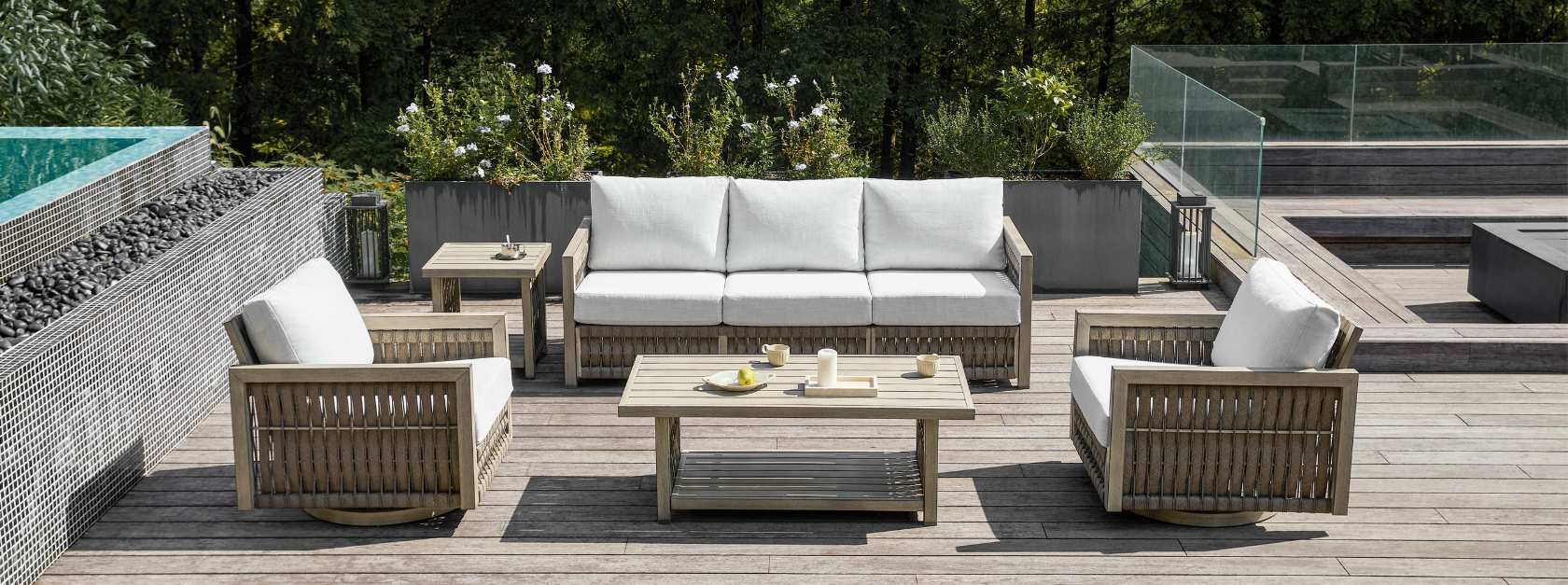
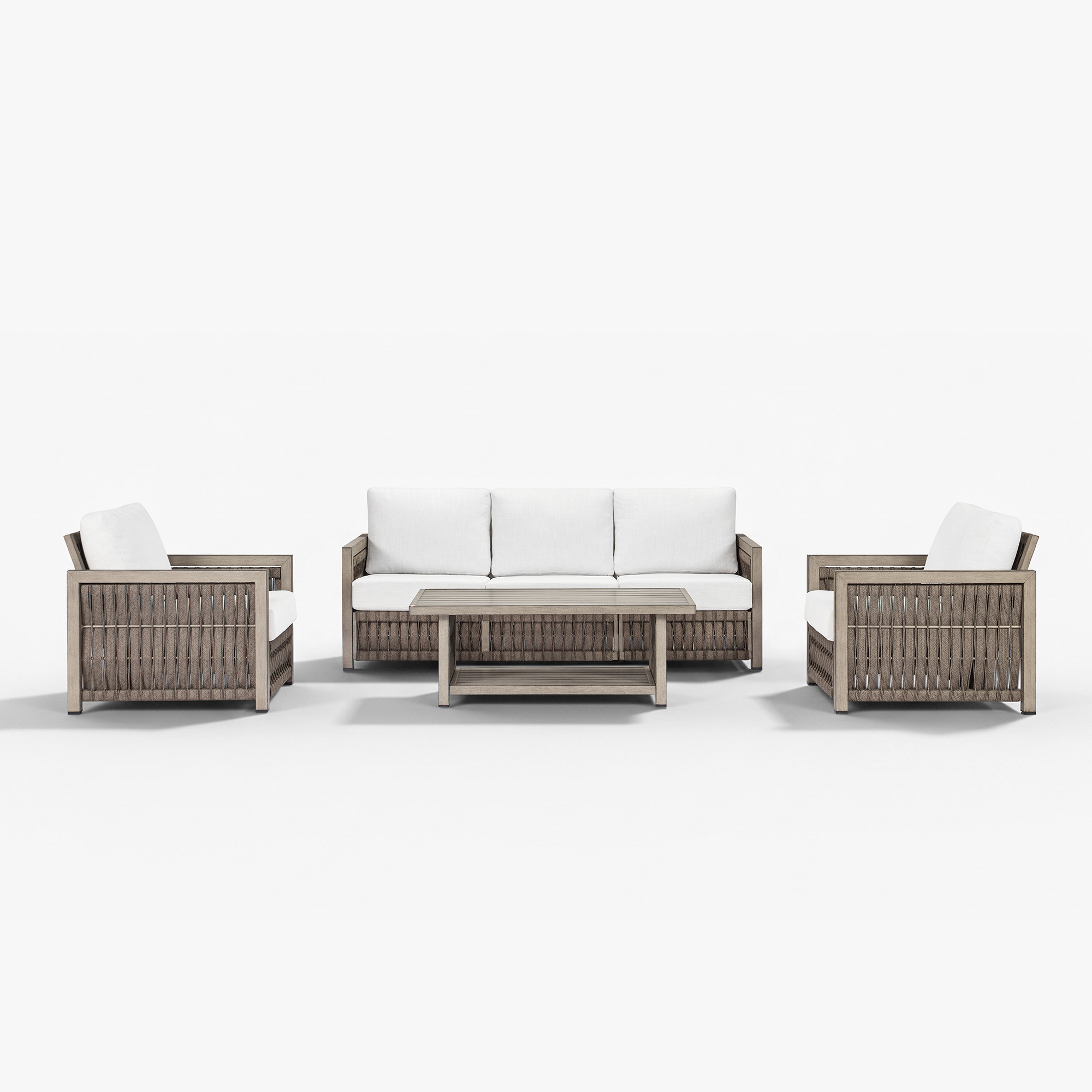
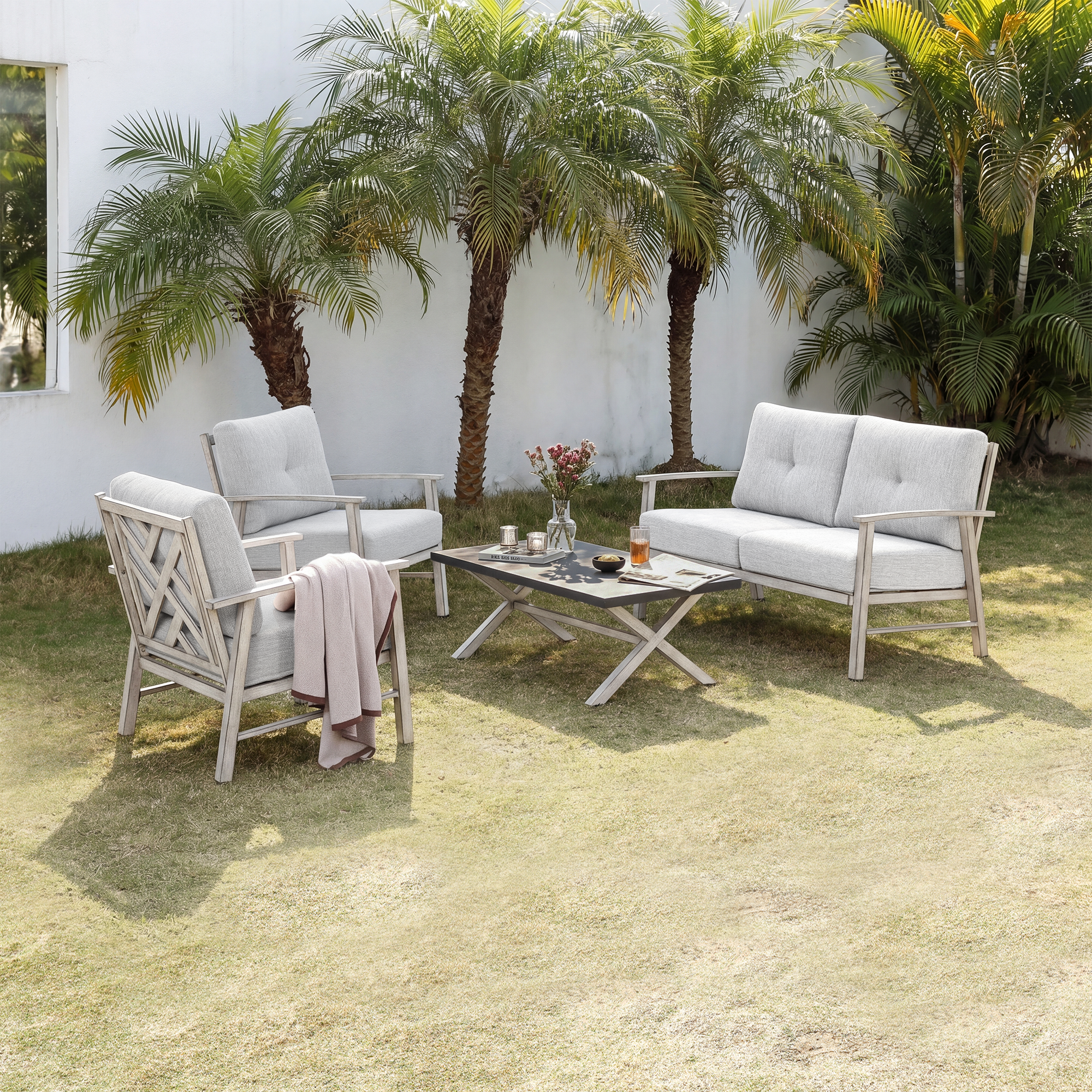
The aluminum rope weave outdoor conversation set plays a central role in modern patio furniture planning. B2B buyers prioritize durability, comfort, and long service cycles. A 3-piece metal rocking chair set offers balance between compact layout and seating efficiency. Hospitality spaces require furniture that supports frequent use and changing weather conditions. Aluminum frames reduce corrosion risk in outdoor environments. Rope weaving improves airflow and seating comfort under heat exposure. Commercial buyers often evaluate lifecycle cost rather than only purchase price. Proper material selection directly affects guest experience and maintenance budgets. Patio operators also consider aesthetic consistency across outdoor zones. Rocking motion adds perceived relaxation value for end users. This combination supports both residential and commercial deployment scenarios.
Frame Engineering and Structural Stability in Outdoor Use
Frame design determines long-term performance in outdoor seating systems. Aluminum structures provide lightweight strength without heavy rust risk. Steel frames offer higher rigidity but require protective coatings. Powder coating thickness affects corrosion resistance and surface durability. Weld consistency ensures load distribution across stress points. In commercial environments, repeated rocking motion increases joint pressure. Proper engineering reduces deformation under continuous use cycles. Drainage design prevents water accumulation inside tubing structures. Maintenance teams prefer frames that require minimal repainting or repair. Transport efficiency also matters for bulk shipping operations. Lightweight aluminum reduces logistics cost significantly. Structural balance between strength and weight defines product reliability in patio applications.
Why aluminum rope weave outdoor conversation set Improves Patio Value
The aluminum rope weave outdoor conversation set enhances both durability and visual appeal in outdoor spaces. Rope weaving creates flexible seating surfaces that adapt to body pressure. Synthetic rope materials resist UV damage and moisture absorption. Air circulation improves comfort during hot climates. This structure reduces heat retention compared to solid materials. Aluminum frames support the weave without adding unnecessary weight. Commercial users benefit from reduced maintenance cycles and easier cleaning. Rope tension stability affects long-term seating consistency. Properly engineered weave patterns prevent sagging under frequent use. Hospitality venues often prefer this structure for modern aesthetic alignment. The combination improves both functional lifespan and customer satisfaction rates.
Ergonomic Design Principles in Rocking Chair Systems
Ergonomic performance defines user comfort in rocking chair systems. Seat angle influences spinal alignment during extended sitting. Backrest curvature supports lumbar pressure distribution. Armrest height impacts shoulder relaxation and posture stability. Rocking arc must remain balanced to avoid excessive tilt. Cushion density determines pressure absorption during seating cycles. High-resilience foam improves recovery after compression. Fabric breathability supports temperature regulation in outdoor environments. Proper ergonomic design reduces fatigue during long usage periods. Commercial spaces require consistent comfort across multiple users. Adjusted seat depth improves usability across different body types. Stability engineering prevents tipping during dynamic rocking motion. These factors collectively shape user experience quality.

Space Planning and Functional Layout Optimization
Outdoor furniture layout directly affects usability and traffic flow. A 3-piece set suits compact terraces and hospitality balconies. Proper spacing ensures safe rocking motion without obstruction. Designers consider circulation paths for guests and staff movement. Balcony installations require lightweight modular arrangement. Restaurant patios prioritize density without compromising comfort. Furniture orientation impacts social interaction dynamics. Table positioning defines functional usability zones. Wind exposure must be considered in open layouts. Modular design allows flexible reconfiguration for events. Storage efficiency also influences commercial decision making. Balanced layout planning improves both aesthetics and operational efficiency in outdoor environments.
Commercial Manufacturing Standards and Quality Control Systems
Industrial buyers evaluate strict manufacturing benchmarks before procurement. Welding quality undergoes stress testing under load simulation. Powder coating thickness is measured for corrosion resistance consistency. Fastener grading determines structural integrity under vibration. Load capacity certification ensures safe usage limits. Carton drop tests simulate transportation impact conditions. Rope tensile strength is tested for elongation stability. Aluminum alloy composition affects overall durability performance. Quality inspection protocols reduce defect rates in bulk production. OEM customization requires consistent replication accuracy. Production batch control ensures uniform product output. These standards define reliability in commercial furniture sourcing decisions.
| Material Type | Durability | Maintenance | Best Application |
|---|---|---|---|
| Aluminum Frame | High corrosion resistance | Low maintenance | Coastal and commercial patios |
| Steel Frame | Very strong structure | Requires coating care | Heavy-duty installations |
| Mixed Materials | Moderate durability | Medium maintenance | Decorative outdoor spaces |
Material comparison highlights operational trade-offs in outdoor seating systems. Aluminum provides the best balance for long-term patio use. Steel offers strength but increases maintenance workload. Mixed materials prioritize design flexibility over industrial durability. Buyers should match material selection with environmental exposure levels. Coastal humidity requires higher corrosion resistance standards. Hospitality venues often prioritize low maintenance solutions. Material efficiency directly influences total lifecycle cost in commercial deployment.
List of Essential Features for Outdoor Rocking Chair Sets
- Corrosion-resistant aluminum frame
- UV-stabilized rope weaving system
- High-density quick-dry cushions
- Anti-slip adjustable foot design
- Tool-free assembly structure
- Replaceable cushion covers for maintenance efficiency
Feature selection determines long-term usability in commercial environments. Each component contributes to operational efficiency and guest comfort. Replaceable elements reduce long-term replacement costs. Adjustable support systems improve installation flexibility across different surfaces. Material protection features extend outdoor lifespan significantly.
Design Trends in Hospitality and Outdoor Commercial Spaces
Modern hospitality design emphasizes minimalism and durability. Neutral tones improve spatial harmony across outdoor areas. Rope weaving introduces texture without visual clutter. Rocking motion enhances perceived relaxation value in guest seating. Resorts prefer modular systems for flexible layout changes. Hotels prioritize consistent aesthetic branding across outdoor zones. Lightweight structures support seasonal reconfiguration. Durable finishes reduce refurbishment cycles. Visual consistency influences customer perception of quality. Outdoor seating must align with architectural themes. Functional elegance defines premium hospitality furniture selection strategies.
Supply Chain Strategy and Manufacturer Selection Process
Reliable sourcing depends on structured supplier evaluation. Minimum order quantity affects procurement planning. Sample testing verifies material and build quality. Lead time consistency ensures project scheduling stability. OEM branding allows customization for market differentiation. Inspection reports confirm compliance with specifications. Logistics efficiency impacts final landed cost. Communication transparency reduces production risks. Long-term partnerships improve pricing stability. Factory certifications indicate production capability levels. Bulk procurement requires strict quality agreement frameworks. Supplier reliability directly affects commercial success in furniture distribution channels.
Performance Value and Lifecycle Efficiency in Outdoor Seating
Lifecycle efficiency defines real value in patio furniture investments. Initial cost must be evaluated against replacement frequency. Aluminum structures reduce long-term maintenance expenses. Rope weave systems maintain flexibility under repeated use. Environmental resistance improves product lifespan significantly. Commercial operators benefit from reduced downtime. Energy and labor savings contribute to ROI improvement. Durable furniture supports consistent guest experience quality. Weather resistance reduces seasonal replacement needs. Operational stability is critical for hospitality profitability. Investment decisions depend on total cost of ownership metrics. Balanced design ensures long-term financial efficiency.
Final Evaluation: What is a good 3-piece metal rocking chair set for patios?
A strong patio solution combines durability, comfort, and maintenance efficiency. The aluminum rope weave outdoor conversation set performs well in diverse environments. It supports commercial usage with low maintenance requirements. Structural balance ensures stable rocking performance over time. Rope design enhances comfort and airflow in warm climates. Aluminum frames provide corrosion resistance for outdoor exposure. Hospitality operators benefit from consistent guest satisfaction levels. Modular structure allows flexible patio configurations. Long-term cost efficiency remains a key advantage. Proper selection improves both operational performance and aesthetic value. This category remains a reliable choice for modern outdoor seating strategies.
FAQ
How long does an outdoor rope weave chair set last?
Outdoor rope weave chair sets typically last five to eight years in commercial use. Lifespan depends on material quality and environmental exposure. Aluminum frames extend durability due to corrosion resistance. UV-stabilized rope reduces degradation under sunlight exposure. Proper maintenance improves structural integrity over time. Cushion storage during harsh weather conditions also increases longevity. High-traffic hospitality environments may reduce lifespan slightly. However, modular replacement parts extend usable cycles. Regular inspection of joints and rope tension prevents early failure. Overall performance remains stable when manufacturing standards are high and maintenance routines are consistent.
Is aluminum better than steel for patio rocking chairs?
Aluminum offers better corrosion resistance compared to steel in outdoor environments. Steel provides higher raw strength but requires protective coatings. Coastal or humid regions accelerate steel oxidation without maintenance. Aluminum reduces long-term upkeep costs significantly. It also improves transport efficiency due to lower weight. Steel may be preferred for extremely heavy-duty applications. However, most patio environments do not require such rigidity. Aluminum supports sufficient structural stability for rocking motion. It also performs better in temperature variation cycles. For commercial patio use, aluminum is generally more cost-effective over its lifecycle.
What should wholesalers inspect before ordering?
Wholesalers should evaluate welding quality and frame alignment first. Powder coating thickness indicates corrosion protection level. Rope tensile strength ensures seating durability under repeated use. Cushion density affects comfort consistency for end users. Fastener grade determines structural stability during motion. Load testing reports validate safety performance standards. Packaging quality reduces transport damage risks. OEM consistency ensures product uniformity across batches. Sample testing before bulk orders reduces procurement risk. Supplier certification confirms manufacturing reliability. Inspection of assembly precision also ensures smooth installation. These checks collectively reduce failure rates and improve market competitiveness.