

What Is Rust Proof Furniture and Is It Worth Buying?
Outdoor furniture must resist the elements. Rain, humidity, and sun can ruin ordinary furniture within months. Rust proof furniture provides durability without frequent maintenance. Many homeowners prefer it for patios, decks, and poolside areas. Choosing the right materials ensures long-term performance. Aluminum and HDPE are among the most popular options. Rust proof furniture maintains strength and appearance over time. It allows homeowners to invest in furniture without worrying about deterioration. Selecting suitable designs adds style without compromising durability.
Materials Used in Rust Proof Furniture
Rust proof furniture comes in several types of materials. Aluminum is lightweight, resistant to corrosion, and requires minimal care. HDPE, a high-density plastic, withstands moisture and fading effectively. Powder-coated steel provides a protective layer against rust. Choosing a material depends on usage and climate. Coastal regions favor aluminum for resistance against salt air. HDPE suits areas with high humidity. Furniture selection should balance style, comfort, and environmental conditions. These materials combine aesthetic appeal with long-term functionality.
Advantages of Rust Proof Furniture
Rust proof furniture offers many benefits. First, it eliminates corrosion and maintains structural integrity. Second, it requires little upkeep compared to conventional furniture. Third, it withstands outdoor conditions, from sun exposure to rain. Fourth, these pieces often retain color and finish longer. Homeowners save time cleaning and preserving furniture. Aluminum and HDPE sets remain functional even after years of use. Investing in rust proof furniture reduces the need for frequent replacements. These advantages make rust proof options popular in modern outdoor spaces.
Common Uses for Rust Proof Furniture
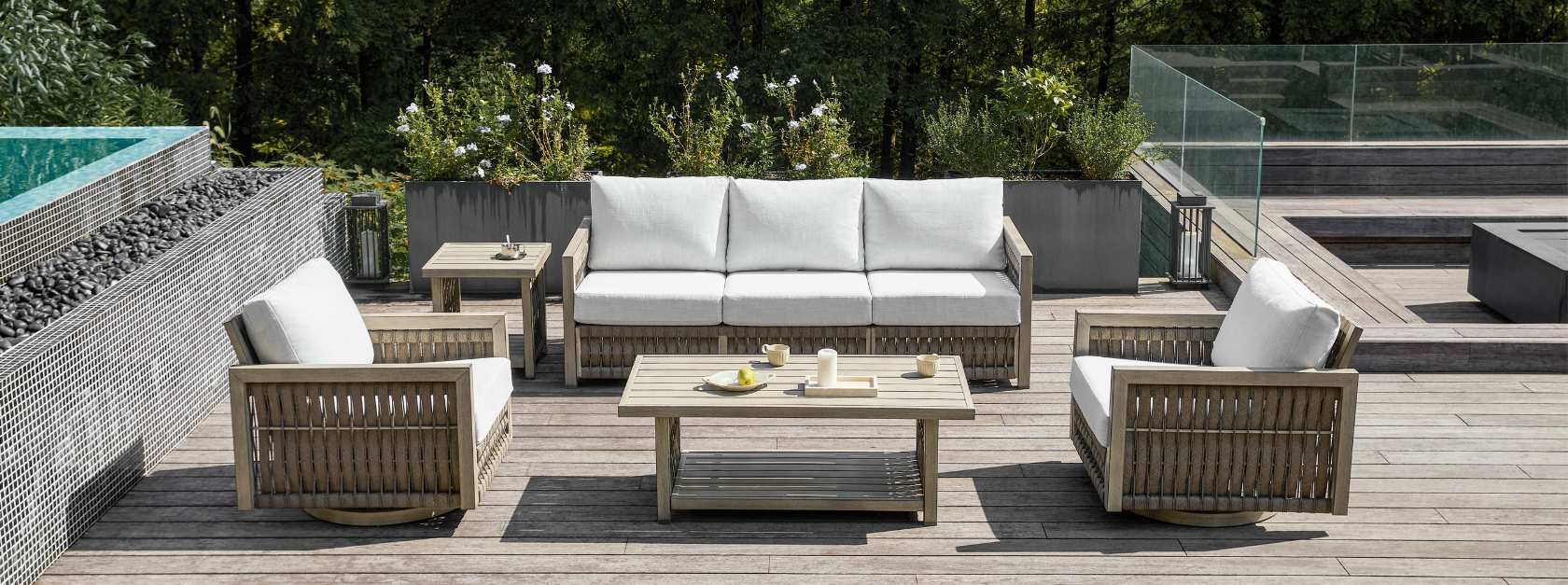
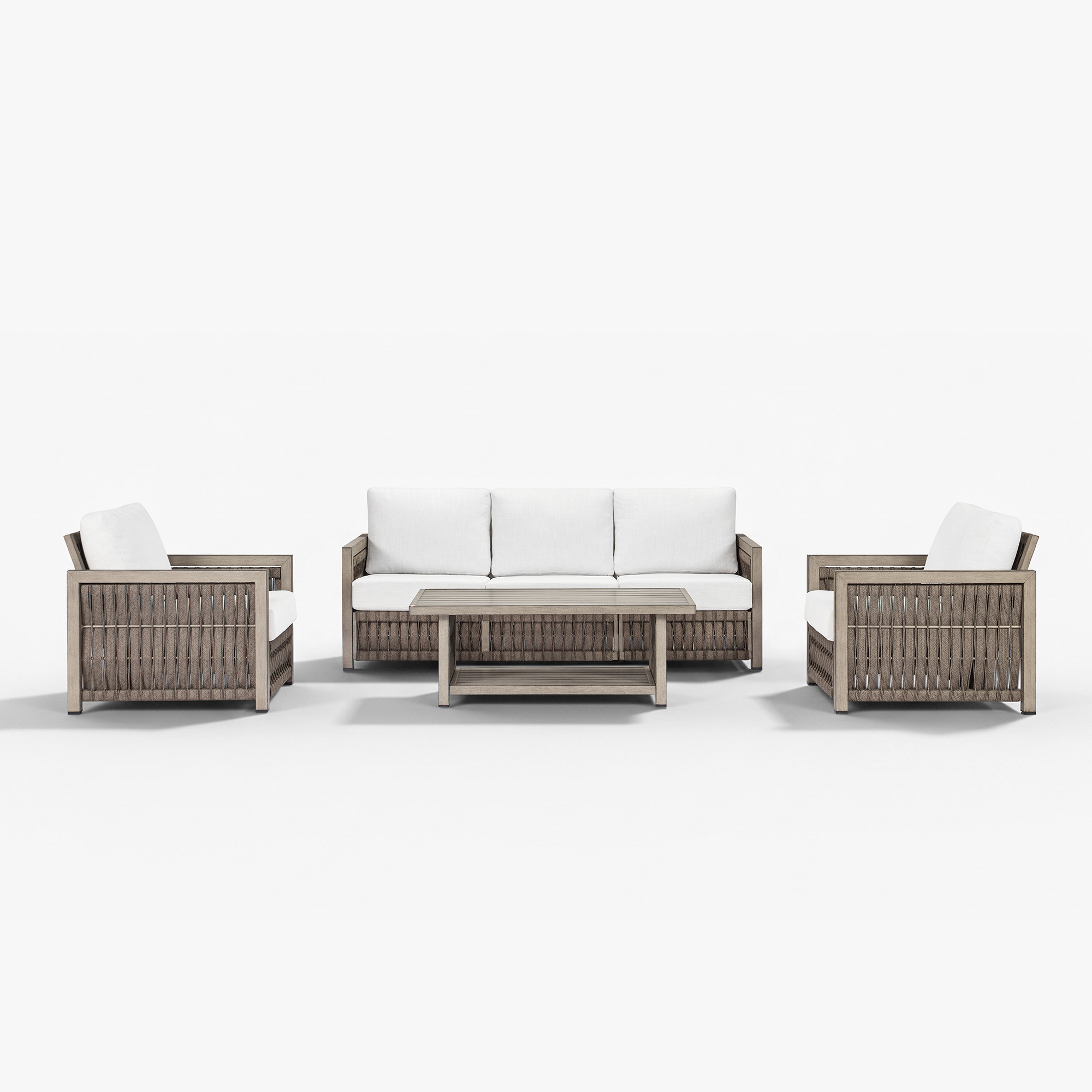
Patios, poolside areas, and gardens often use rust proof furniture. Dining sets, loungers, and chairs are practical examples. Aluminum dining tables offer elegance and strength. HDPE sofas provide comfort and resistance to weather. Swivel chairs and adjustable loungers increase functionality. Choosing furniture that matches space and lifestyle improves outdoor experiences. Homeowners prefer durable options that combine practicality with style. Rust proof furniture fits both residential and commercial settings.
Key Benefits in List Format
-
Longevity without rust
-
Low maintenance requirements
-
Suitable for all outdoor climates
-
Lightweight and easy to move
-
Stylish design options
Rust proof furniture offers longevity without rust, low maintenance requirements, suitability for all climates, lightweight convenience, and attractive design. These benefits make it an excellent choice for any outdoor space. Investing in high-quality rust proof furniture ensures satisfaction and long-term value.
Material Comparison Table
Each material has distinct strengths. Aluminum is strong and lightweight, perfect for dining sets and loungers. HDPE resists moisture and fading, ideal for sofas and benches. Powder-coated steel provides a rust-resistant layer but requires occasional care. Evaluating each option helps homeowners choose the best fit.
Durability in Various Conditions
Rust proof furniture resists harsh weather effectively. Heavy rain, strong sun, and salty air do not compromise its strength. Coastal homeowners find aluminum particularly useful. HDPE sofas and tables withstand repeated exposure to humidity. Protective coatings enhance steel durability. Furniture maintains both appearance and function over years. Investing in rust proof options minimizes replacement costs. Choosing quality materials ensures reliable performance.
Design and Comfort Considerations
Design matters as much as durability. Swivel chairs and adjustable loungers enhance usability. Sectional sofas provide flexible seating arrangements. Cushions improve comfort without affecting rust resistance. Color and texture options match outdoor aesthetics. Lightweight furniture allows easy rearrangement for gatherings. Combining style with practicality creates appealing spaces. Rust proof furniture does not sacrifice comfort for durability. Proper selection satisfies both aesthetic and functional needs.
Cost Versus Value
Upfront costs may be higher than ordinary furniture. However, long-term savings offset initial expenses. Furniture longevity, low maintenance, and minimal replacement needs provide value. Homeowners gain peace of mind with lasting investment. Quality rust proof furniture avoids frequent repainting or repairs. Budget planning should consider durability alongside design preferences. Choosing reliable materials ensures satisfaction over time. Rust proof furniture is a practical investment for any outdoor space.

Maintenance Tips
Rust proof furniture remains low-maintenance but benefits from care. Wipe aluminum surfaces with mild soap and water. HDPE requires occasional rinsing to remove dust. Cover furniture during extreme weather to extend lifespan. Avoid abrasive cleaning tools that can scratch surfaces. Proper storage during winter months adds protection. Even minimal upkeep improves longevity and appearance. Furniture remains functional and attractive with these simple steps.
Outdoor Furniture Arrangement
Strategic placement improves usability and comfort. Dining sets near patios enable convenient meals. Loungers by pools offer relaxation. Sectionals create social seating areas for gatherings. Balance aesthetics with functionality when arranging furniture. Mixing materials, like aluminum and HDPE, enhances visual appeal. Furniture layout contributes to enjoyment and space efficiency. Rust proof pieces maintain their look even with frequent movement.
Conclusion
Rust proof furniture provides durability, low maintenance, and outdoor suitability. Aluminum, HDPE, and powder-coated steel offer reliable choices. Selecting the right material balances style, comfort, and weather resistance. These furniture pieces are valuable long-term investments. Homeowners gain functional, stylish spaces that last for years. Smart placement and maintenance enhance benefits. Overall, rust proof furniture ensures outdoor enjoyment without compromise.
FAQ
Q1: How long does rust proof furniture typically last outdoors?
Rust proof furniture can last 10 to 20 years depending on material and usage. Aluminum sets resist corrosion naturally, while HDPE remains durable under moisture exposure. Proper placement and care extend lifespan. Furniture exposed to extreme weather may age faster, but rust proof designs significantly outperform traditional steel. Choosing quality materials and protecting cushions ensures longevity. Overall, rust proof furniture offers excellent value for long-term outdoor use.
Q2: Can rust proof furniture withstand coastal weather?
Yes, rust proof furniture performs well in coastal areas. Aluminum is naturally resistant to salt air corrosion. HDPE materials also tolerate high humidity and salty conditions. Powder-coated steel provides additional protection but may require extra care. Proper placement and occasional cleaning enhance durability. Many coastal homeowners rely on rust proof furniture for patios, poolside, and gardens. These pieces maintain appearance and strength even near oceans or beaches.
Q3: Is rust proof furniture suitable for families with children?
Absolutely. Rust proof furniture is durable and safe for children. Aluminum and HDPE materials resist dents and scratches. Smooth edges and powder-coated finishes reduce injury risk. Low maintenance ensures it remains clean despite frequent use. Lightweight designs allow easy rearrangement for play areas. Families can enjoy outdoor meals, games, and lounging without worrying about rust or damage. This furniture combines safety, durability, and comfort effectively.