Why Faux Wood Grain Aluminum Frames Dominate Modern Patio Design
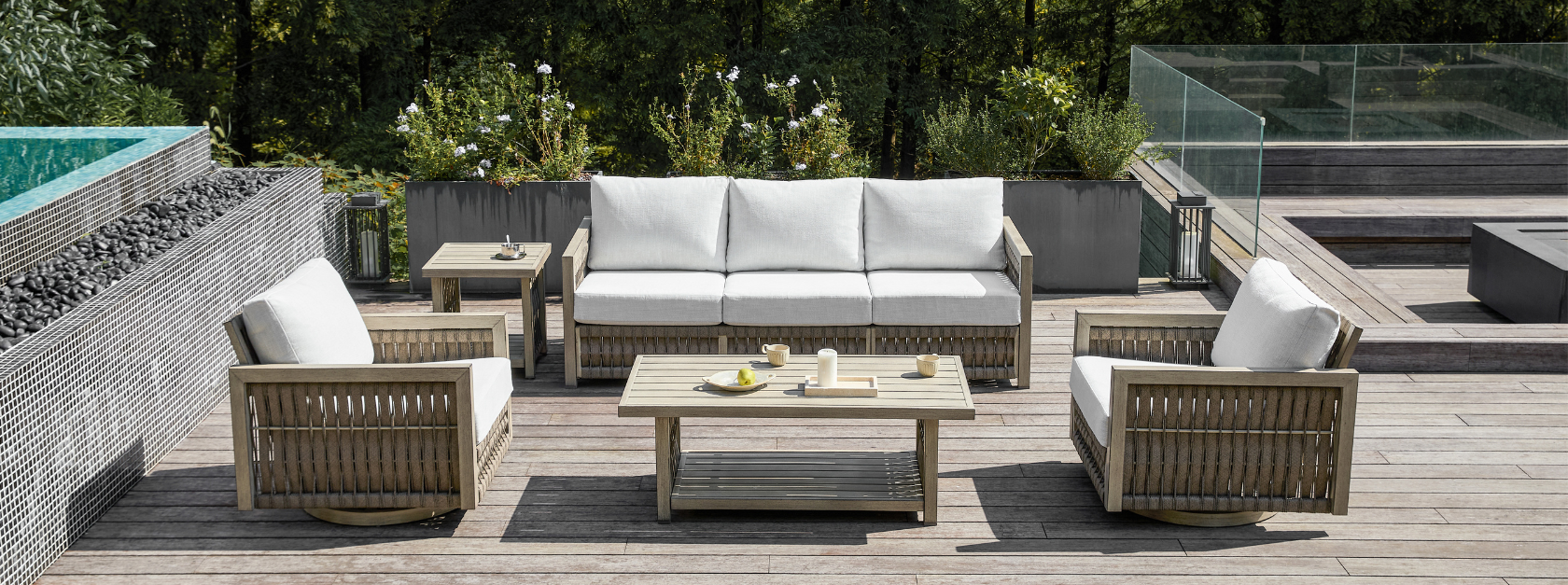
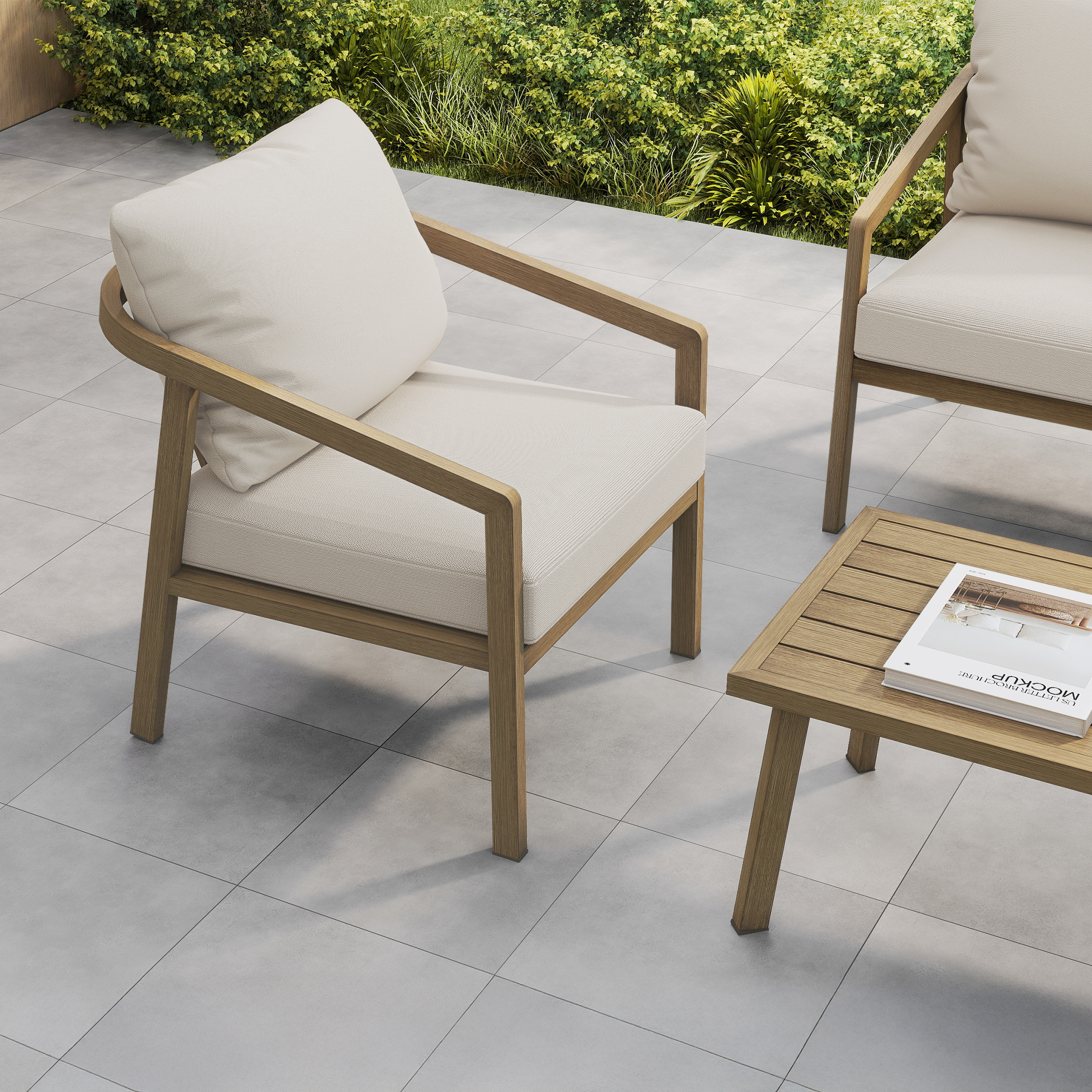
Modern hospitality spaces demand outdoor furniture with visual warmth and structural reliability. Many procurement managers now prefer outdoor conversation set aluminum frame rope weave for luxury terraces and hotel lounges. Aluminum frames create strong foundations without excessive weight. Faux wood grain finishes add natural texture while avoiding cracking problems. Traditional wood absorbs moisture during seasonal weather changes. Aluminum surfaces maintain stable performance across humid and coastal environments. Manufacturers apply powder coatings through electrostatic systems for better surface adhesion. Multi-layer coatings also improve scratch resistance during transportation. Commercial buyers value lower maintenance requirements because operational costs directly affect long-term profitability. Resorts, rooftop bars, and premium cafés often select aluminum furniture because installation teams move pieces easily during layout adjustments. Consistent surface quality also strengthens visual branding across outdoor commercial projects.
How outdoor conversation set aluminum frame rope weave Improves Seating Performance
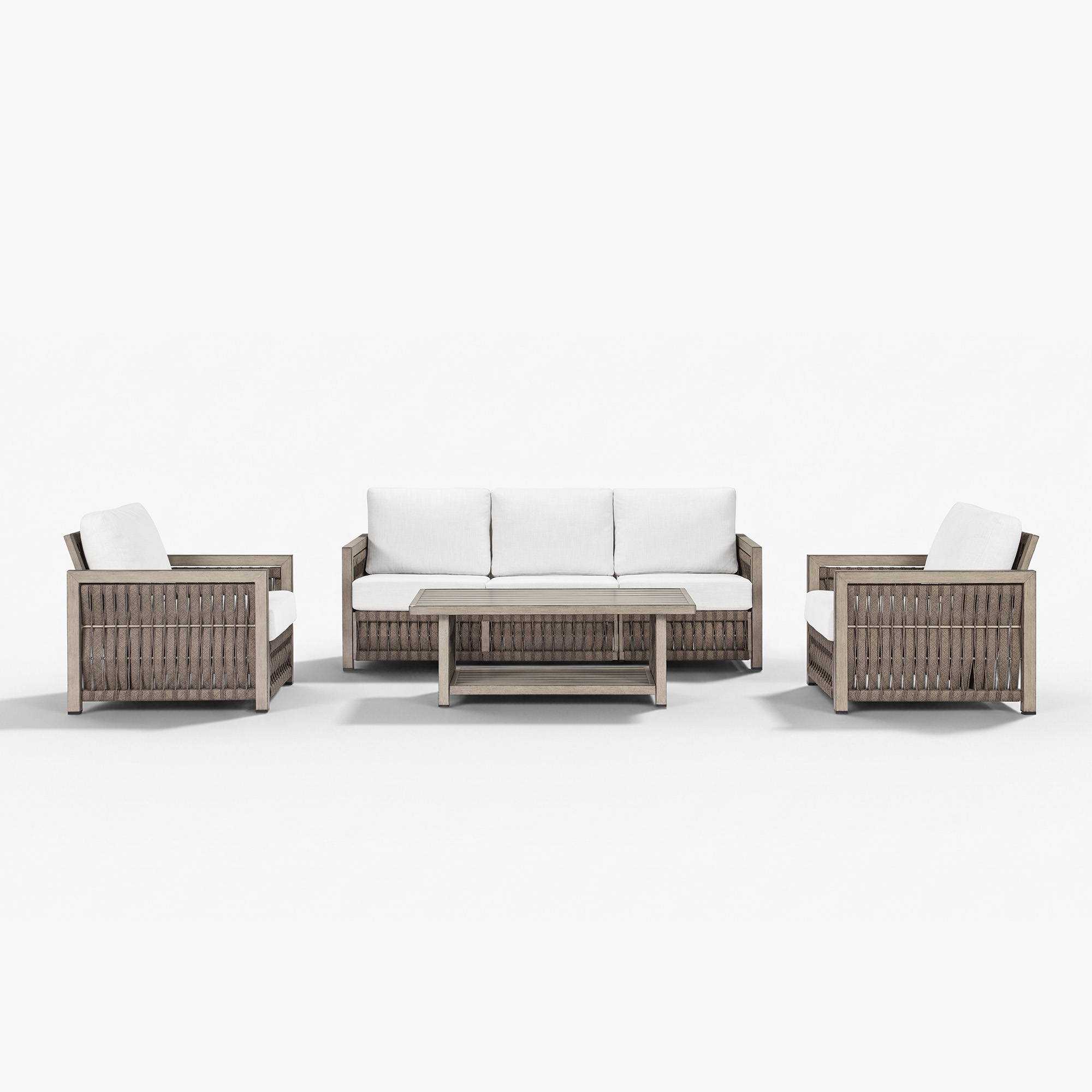
Rope weaving technology improves comfort while increasing airflow around seating surfaces. Designers often combine outdoor conversation set aluminum frame rope weave with ergonomic sofa structures for hospitality projects. Synthetic rope materials resist ultraviolet damage better than natural fibers. Olefin rope remains flexible under changing temperatures and heavy outdoor exposure. Tight weaving tension supports body weight evenly during extended seating periods. Loose weaving structures often create sagging problems after frequent commercial usage. Skilled technicians secure ropes through reinforced anchor points along aluminum frames. Strong fastening systems reduce movement between structural joints and woven surfaces. Open weaving patterns also improve ventilation during hot summer conditions. Many luxury hotels prefer rope weave seating because cushions dry faster after rain exposure. Commercial environments benefit from easier maintenance cycles and reduced fabric deterioration across long operational periods.
Key Materials Used in Premium Outdoor Seating Systems
Premium outdoor seating depends on material coordination rather than decorative appearance alone. High-grade aluminum alloys improve strength while reducing overall furniture weight. Most commercial manufacturers select 6063 aluminum because it offers balanced corrosion resistance and machinability. Powder-coated surfaces create protective barriers against oxidation and salt exposure. Olefin fabric cushions resist fading better than many polyester alternatives under direct sunlight. Quick-dry foam structures allow internal moisture drainage after rainstorms or poolside usage. Stainless steel fasteners prevent rust stains around structural joints and visible hardware. Many suppliers use 304 stainless steel for standard outdoor conditions. Coastal installations sometimes require 316 stainless steel because chloride exposure accelerates corrosion. Cushion covers with zipper systems simplify replacement procedures during hotel maintenance cycles. Durable materials reduce replacement frequency and improve long-term operational efficiency for international hospitality buyers.
Weather Resistance Standards for Commercial Outdoor Furniture
Commercial outdoor furniture must tolerate severe environmental exposure across different climates. Testing laboratories evaluate furniture through salt spray resistance procedures and ultraviolet aging simulations. Outdoor conversation set aluminum frame rope weave products often undergo accelerated weather testing before export certification approval. Salt spray chambers simulate coastal corrosion through concentrated saline environments. High-quality powder coatings usually survive hundreds of testing hours without visible surface damage. UV exposure evaluations measure fading resistance under artificial sunlight conditions. Reliable rope materials maintain elasticity after prolonged ultraviolet exposure. Drainage systems inside cushion platforms reduce water accumulation after rainfall. Temperature fluctuation testing also measures structural stability during seasonal expansion and contraction cycles. Hospitality buyers frequently request certification documentation before placing large procurement orders. Strong weather resistance standards help suppliers maintain product credibility within competitive international furniture markets.
Comfort Engineering Behind 3-Seater Patio Sofas
Comfort engineering directly influences customer satisfaction across hospitality environments. Sofa depth affects posture support during long conversations and relaxation periods. Many commercial seating systems use seat depths between 22 and 24 inches for balanced comfort. Backrest angles usually remain slightly reclined to reduce spinal pressure during extended seating. Cushion density also changes seating performance under continuous commercial usage. High-resilience foam maintains shape better than low-density alternatives. Armrest height contributes to ergonomic support during dining or social activities. Thick cushions without structural support often compress unevenly after repeated use. Designers carefully balance softness and resilience during product development stages. Luxury outdoor lounges prefer seating systems that combine visual elegance with physical comfort. Well-engineered furniture encourages guests to remain longer within hospitality environments, supporting improved customer engagement and commercial revenue opportunities.
Why outdoor conversation set aluminum frame rope weave Fits Hospitality Projects
Hospitality projects require furniture that balances aesthetics, durability, and operational flexibility. Many resorts choose outdoor conversation set aluminum frame rope weave collections for poolside lounges and rooftop terraces. Aluminum structures simplify transportation during seasonal venue reconfiguration projects. Rope weave detailing creates upscale visual texture without excessive decorative complexity. Hotels often prioritize furniture with cohesive design language across multiple outdoor zones. Restaurants also value lightweight seating because staff members frequently adjust layouts during service operations. Faux wood grain finishes complement stone flooring, tropical landscaping, and contemporary architecture. Commercial buyers appreciate reduced maintenance requirements because labor costs affect operational efficiency. Weather-resistant materials also reduce replacement frequency during long outdoor service cycles. Consistent product quality strengthens guest perception within luxury hospitality environments. Sophisticated outdoor seating often supports stronger branding across competitive tourism and dining industries.
Structural Comparison Between Aluminum and Steel Outdoor Frames
Material selection strongly affects furniture lifespan, logistics efficiency, and maintenance costs. Aluminum frames weigh significantly less than comparable steel structures. Lightweight furniture simplifies transportation, warehouse handling, and outdoor repositioning procedures. Steel offers high structural strength but remains vulnerable to corrosion without protective coatings. Outdoor conversation set aluminum frame rope weave systems usually resist rust more effectively than untreated steel products. Powder-coated aluminum surfaces maintain stable appearance during prolonged outdoor exposure. Steel furniture often requires additional maintenance after scratches expose underlying metal surfaces. Aluminum also improves container loading efficiency because reduced weight lowers shipping costs. Hospitality projects benefit from easier furniture movement during cleaning and event preparation. Many commercial buyers prioritize aluminum because long-term operational savings outweigh slightly higher manufacturing expenses. Structural stability, corrosion resistance, and installation flexibility make aluminum highly competitive within outdoor furniture markets.
Rope Weaving Techniques That Influence Product Lifespan
Weaving quality directly affects durability, comfort consistency, and product appearance. Handwoven rope structures often display tighter visual detailing than automated weaving systems. Skilled workers maintain balanced tension throughout complex seating curves and corners. High-density weaving methods distribute body weight more evenly across seating surfaces. Loose rope spacing may create deformation after repeated commercial usage. Elastic recovery performance also determines long-term seating stability under pressure. Premium synthetic ropes contain stabilizing additives that improve ultraviolet resistance. Abrasion resistance remains important for hospitality projects with heavy daily usage. Many manufacturers test rope materials through repeated friction simulations before production approval. Double-layer weaving structures sometimes improve structural reinforcement in high-contact seating areas. Consistent weaving precision enhances visual symmetry while supporting long-term mechanical performance. Reliable rope craftsmanship significantly increases the commercial value of luxury outdoor seating systems.
Essential Purchasing Factors for Global B2B Buyers
International buyers evaluate outdoor furniture through operational and logistical perspectives. Procurement teams often compare production capacity, material consistency, and packaging protection before supplier selection. Important sourcing factors include:
- Minimum order quantity flexibility
- Powder coating certification standards
- Waterproof cushion performance
- OEM customization capability
- Carton reinforcement quality
- Container loading efficiency
- Spare parts availability
- Lead time stability
| Material | Corrosion Resistance | Weight | Maintenance Level | Commercial Suitability |
|---|---|---|---|---|
| Aluminum | Excellent | Light | Low | Very High |
| Steel | Moderate | Heavy | Medium | High |
| Teak Wood | Good | Medium | High | Medium |
| Synthetic Wicker | Good | Light | Low | High |
Commercial buyers also inspect packaging systems carefully because international transportation creates vibration and impact risks. Reinforced carton corners reduce frame damage during container movement. Suppliers frequently use foam wrapping and layered protection around powder-coated surfaces. OEM customization options help distributors maintain regional market competitiveness. Stable lead times support inventory planning and seasonal product launches. Reliable supply chains remain critical within global outdoor furniture procurement operations.
Outdoor Sofa Maintenance Methods for Long-Term Performance
Proper maintenance extends outdoor furniture lifespan while preserving commercial presentation quality. Cleaning schedules should remove dust, sunscreen residue, and environmental debris regularly. Mild soap solutions protect powder-coated aluminum surfaces without damaging protective finishes. Abrasive chemicals may reduce coating durability during repeated cleaning cycles. Cushion covers should remain dry during long storage periods to prevent mildew development. Protective furniture covers reduce ultraviolet exposure during seasonal inactivity. Hospitality maintenance teams often inspect structural fasteners and rope tension every few months. Early inspections help identify wear before visible structural problems appear. Quick-dry cushions require adequate airflow after rainfall or intensive cleaning procedures. Commercial properties with coastal exposure may clean aluminum frames more frequently because salt accumulation accelerates surface deterioration. Consistent maintenance routines significantly improve furniture appearance, structural reliability, and long-term operational value.
FAQ
What factors determine the lifespan of a rope weave patio sofa outdoors?
Outdoor rope weave sofas typically last between five and ten years under commercial conditions. Material quality strongly affects long-term performance. Olefin rope usually performs better than lower-grade synthetic fibers because it resists ultraviolet exposure and moisture damage. Powder-coated aluminum frames also improve structural longevity in humid environments. Proper weaving tension reduces sagging during repeated seating usage. Regular cleaning removes dirt accumulation that may weaken woven surfaces over time. Protective covers further reduce weather exposure during inactive periods. Commercial properties often extend furniture lifespan through seasonal inspections and early maintenance procedures. High-quality construction significantly improves durability across hospitality and residential outdoor environments.
Is aluminum better than steel for commercial patio furniture?
Aluminum offers several operational advantages for commercial patio applications. Lightweight structures simplify transportation and daily furniture movement during hospitality operations. Powder-coated aluminum also resists corrosion more effectively than untreated steel. Coastal resorts often prefer aluminum because salt exposure accelerates rust development on damaged steel surfaces. Steel frames provide strong structural support but usually require additional maintenance. Scratched steel coatings may expose metal underneath, increasing corrosion risks over time. Aluminum maintains stable appearance with lower maintenance demands. Shipping efficiency also improves because reduced furniture weight lowers freight expenses. Many hospitality buyers prioritize aluminum due to long-term durability, operational flexibility, and maintenance efficiency.
What cushion fabric performs best in humid climates?
Olefin fabric performs exceptionally well in humid outdoor conditions because it resists moisture absorption and ultraviolet fading. The material dries quickly after rain exposure or poolside usage. Acrylic fabrics also provide strong color stability under direct sunlight. Many hospitality projects combine olefin covers with quick-dry foam inserts for better drainage performance. Breathable cushion structures help reduce mildew formation during humid weather cycles. Waterproof internal liners further protect foam cores from trapped moisture accumulation. Commercial environments usually prefer removable cushion covers because maintenance teams clean them more efficiently. High-performance outdoor fabrics improve comfort consistency while reducing replacement frequency across demanding hospitality installations.