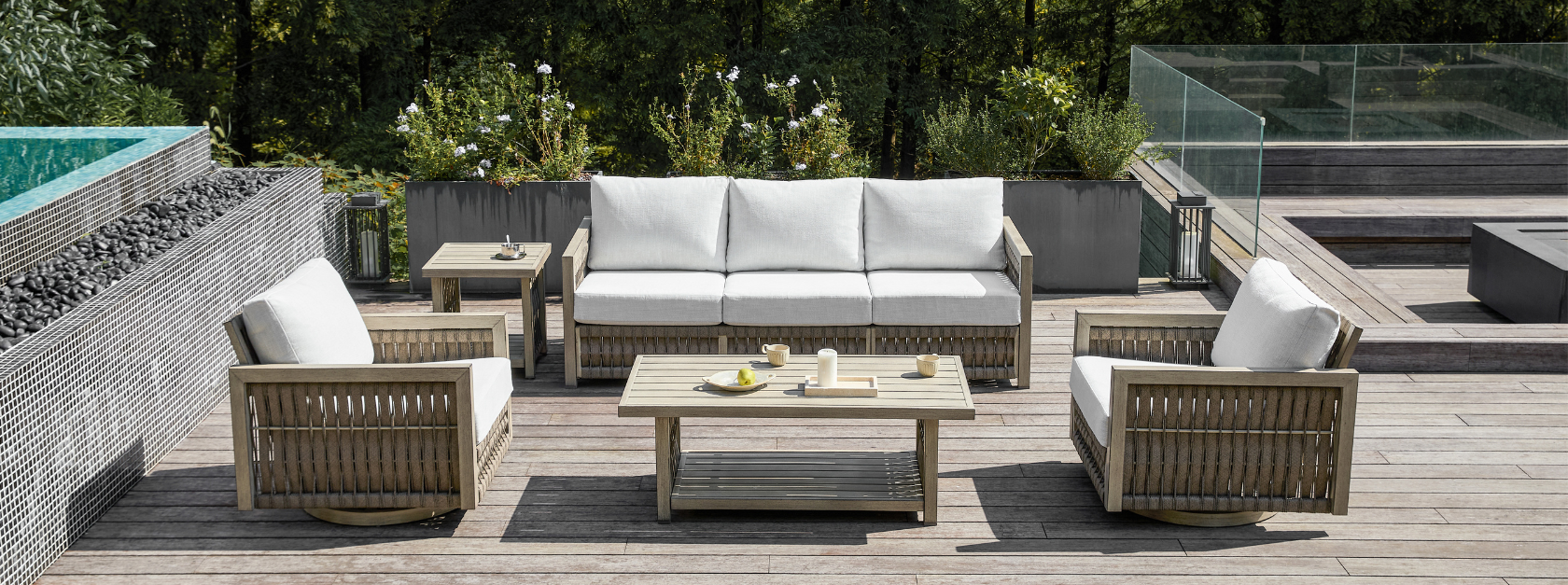
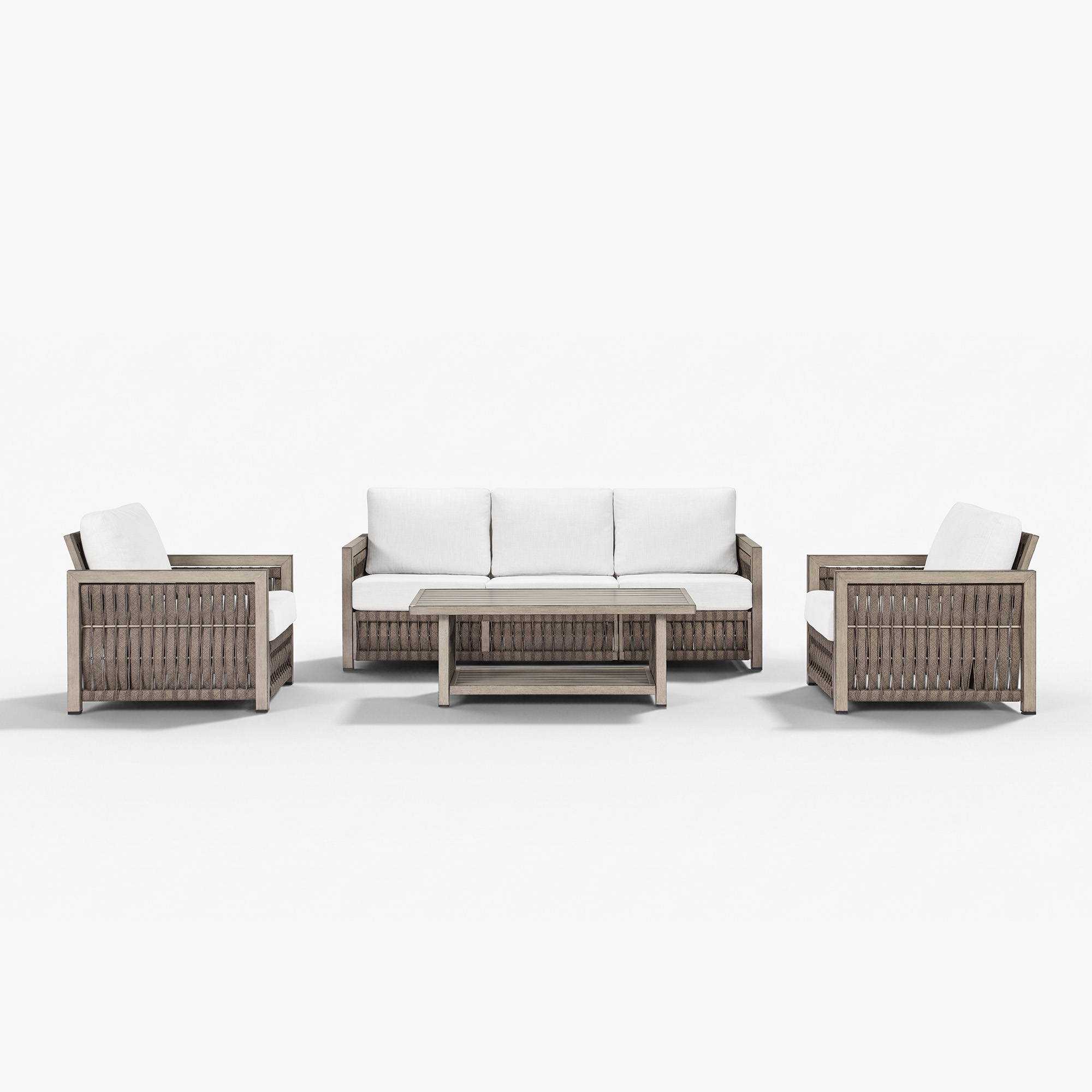
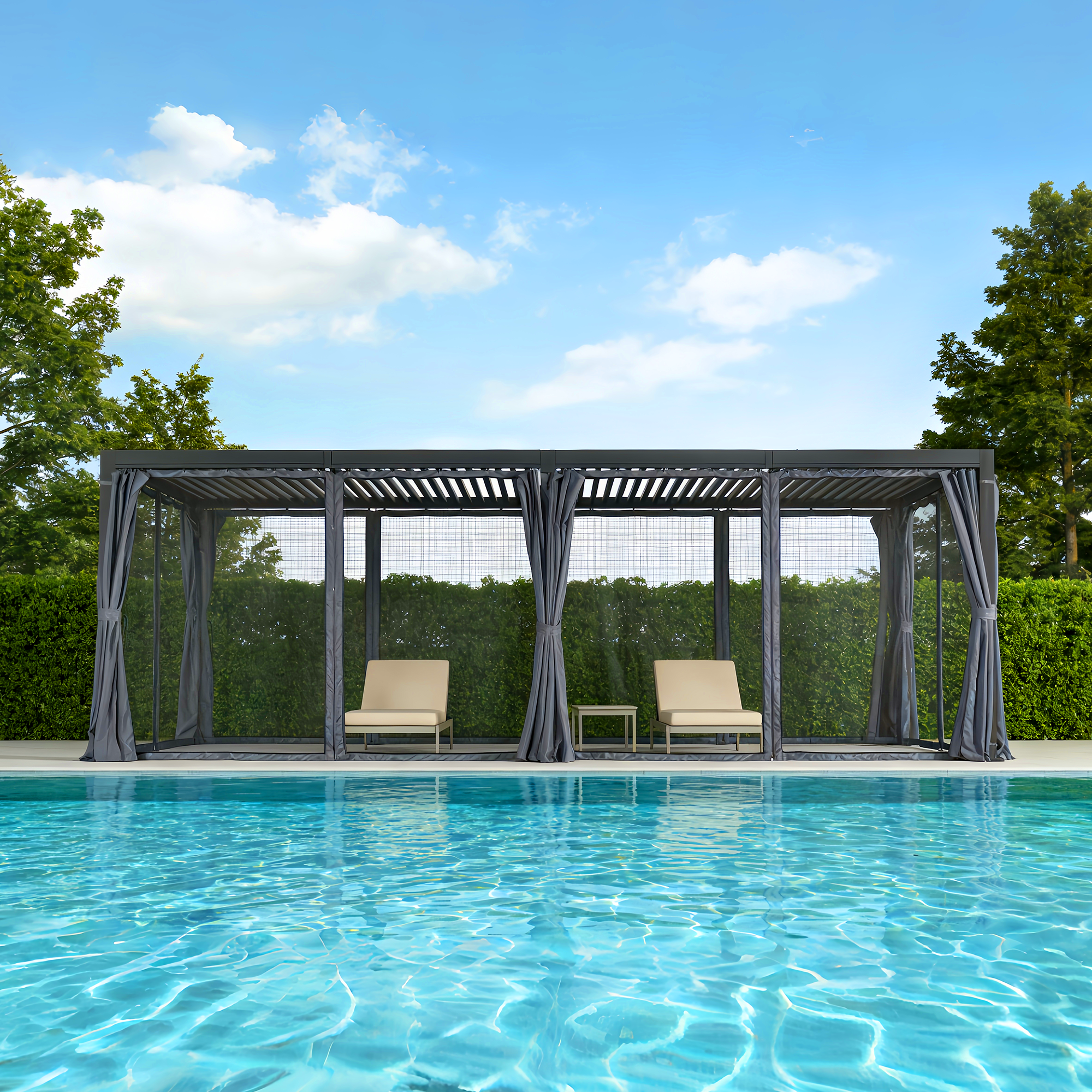
An outdoor chaise lounge aluminum frame with cushions combines durability with modern outdoor comfort. Many commercial buyers prefer aluminum because it resists corrosion and handles changing weather conditions well. Cushioned lounge seating also improves relaxation for hotels, resorts, patios, and poolside environments. Strong aluminum construction supports daily outdoor use without excessive structural stress. Modern powder-coated finishes further improve surface protection and appearance consistency. High-density outdoor cushions increase seating comfort during extended use periods. Businesses often select these lounge products for hospitality environments requiring long-term performance. Product stability also remains important for coastal and humid environments. Careful material selection directly affects service life, maintenance costs, and overall outdoor presentation quality for professional outdoor spaces.
Advantages of Outdoor Chaise Lounge Aluminum Frame With Cushions
Outdoor chaise lounge aluminum frame with cushions products deliver strong performance in commercial outdoor environments. Aluminum frames remain lightweight while maintaining structural reliability during repeated use cycles. Many hospitality businesses value easy furniture movement during cleaning and event preparation. Rust resistance also improves suitability for poolside and seaside installations. Powder-coated aluminum surfaces reduce oxidation risks under direct sunlight and moisture exposure. Outdoor cushions commonly use polyester or olefin fabrics with water-resistant coatings. These materials reduce moisture absorption and surface fading. Aluminum construction also supports modern minimalist outdoor furniture styles. Consistent frame geometry helps maintain balanced seating support across the lounge surface. Manufacturers often integrate reinforced welding points to improve frame stability and long-term structural durability in demanding outdoor environments.
Material Performance in Outdoor Conditions
Outdoor furniture materials experience constant environmental exposure throughout seasonal climate changes. Aluminum performs efficiently because it naturally creates an oxide layer against corrosion. Steel frames may require additional protective coatings to avoid rust formation. Wooden lounge frames often demand regular sealing and moisture management procedures. Plastic frames sometimes lose structural integrity after prolonged ultraviolet exposure. Aluminum retains strength while reducing overall furniture weight significantly. Commercial outdoor spaces frequently prioritize furniture with low maintenance requirements. Cushion fabrics also influence long-term outdoor durability. Olefin fabric provides strong resistance against mildew, stains, and fading. Solution-dyed acrylic materials maintain color stability during direct sun exposure. These fabric technologies improve outdoor seating reliability across hospitality, recreational, and residential environments with demanding weather conditions.
Comfort Features Supporting Long-Term Seating
Comfort remains a major purchasing factor for commercial and residential outdoor furniture buyers. Adjustable reclining positions improve body support during extended seating periods. Thick cushions distribute pressure more evenly across the back and legs. Quick-dry foam technology also reduces moisture retention after rain exposure. Many premium cushions contain high-resilience foam for improved shape retention. Ergonomic lounge curves support spinal alignment and natural body positioning. Breathable fabric surfaces reduce heat accumulation during hot outdoor conditions. Armrest integration can further improve user comfort around pools and patios. Some lounge designs include wheels for easier repositioning. Multi-position reclining systems also support reading, sunbathing, and relaxation activities. Businesses often prioritize ergonomic seating because customer comfort directly affects outdoor hospitality experiences and visitor satisfaction levels.
Design Trends Influencing Modern Outdoor Spaces
Contemporary outdoor furniture emphasizes clean lines and functional structural layouts. Neutral cushion colors remain popular across luxury hospitality environments. Charcoal, beige, and gray tones integrate easily with modern patio aesthetics. Aluminum frames support sleek geometric furniture profiles without excessive bulk. Many commercial designers select modular furniture systems for flexible outdoor arrangements. Minimalist lounge structures also improve visual consistency across poolside installations. Outdoor chaise products increasingly include teak accents and woven side panels. These design additions improve visual warmth while preserving modern styling principles. Matte powder-coated finishes continue gaining popularity in premium outdoor furniture collections. Integrated side tables and hidden storage sections also increase functionality. Design consistency helps commercial outdoor spaces achieve a professional and organized visual presentation for visitors and customers.
Comparing Aluminum Frames With Alternative Materials
Material selection directly influences outdoor furniture lifespan and maintenance demands. Aluminum frames provide strong corrosion resistance with relatively low overall weight. Wooden furniture offers natural visual appeal but requires regular sealing procedures. Steel structures typically support higher loads but increase total furniture weight considerably. Resin furniture reduces costs but may crack after prolonged ultraviolet exposure. Commercial buyers often prioritize aluminum because transportation and repositioning remain easier. Aluminum also reduces maintenance labor expenses across large outdoor hospitality properties. The following comparison highlights common outdoor frame characteristics.
| Frame Material | Corrosion Resistance | Weight | Maintenance Level | Commercial Suitability |
|---|---|---|---|---|
| Aluminum | High | Light | Low | Excellent |
| Steel | Medium | Heavy | Medium | Good |
| Wood | Medium | Medium | High | Moderate |
| Plastic Resin | High | Light | Low | Limited |
Commercial buyers frequently favor aluminum because operational efficiency remains important in outdoor furniture management. Lower maintenance requirements help reduce long-term ownership expenses significantly.
Maintenance Practices for Extended Product Lifespan
Regular maintenance preserves outdoor furniture appearance and structural reliability over time. Aluminum frames require periodic cleaning using mild soap and soft cloth materials. Abrasive cleaners may damage protective powder-coated finishes permanently. Cushions should dry completely before storage to reduce mildew formation risks. Many commercial facilities use waterproof covers during seasonal weather changes. Frame inspection also helps identify loose hardware or structural wear early. Quick repairs reduce larger maintenance expenses later. Outdoor cushions often include removable covers for easier cleaning procedures. Proper ventilation further protects cushions from trapped moisture accumulation. Businesses operating in coastal regions should remove salt residue regularly. Consistent preventive maintenance significantly extends furniture lifespan while preserving professional outdoor presentation quality.
Outdoor Chaise Lounge Aluminum Frame With Cushions for Hospitality Projects
Outdoor chaise lounge aluminum frame with cushions products remain popular in hotels and resort developments. Hospitality businesses require furniture supporting heavy daily customer usage patterns. Aluminum structures help reduce transportation strain during event setup operations. Poolside environments especially benefit from corrosion-resistant furniture materials. Many commercial buyers select UV-resistant cushions for long-term appearance retention. Coordinated lounge collections also improve outdoor branding consistency across hospitality spaces. Designers frequently combine chaise lounges with umbrellas, tables, and sectional seating arrangements. Product stacking capability may improve off-season storage efficiency in large facilities. Outdoor furniture durability directly affects replacement frequency and operating budgets. Commercial purchasing decisions often prioritize long-term operational value instead of initial pricing alone within competitive hospitality environments.
Key Factors Before Purchasing Outdoor Lounge Furniture
Businesses should evaluate several technical and operational factors before selecting outdoor lounge furniture products.
- Frame thickness and weld quality
- Cushion density and foam resilience
- UV resistance performance ratings
- Water drainage efficiency
- Weight capacity specifications
- Warranty coverage terms
- Surface coating durability
- Ease of storage and transportation
These factors directly influence long-term furniture reliability across commercial outdoor installations. Product testing standards also help determine performance consistency during intensive outdoor usage. Hospitality operators often request material certifications before large-scale procurement decisions. UV testing, corrosion resistance validation, and structural load analysis provide measurable performance indicators. Careful evaluation reduces premature replacement costs and operational disruptions. Strong supplier support additionally improves inventory management and replacement component availability. Commercial outdoor projects typically prioritize scalable furniture solutions supporting future expansion requirements and consistent visual presentation standards.
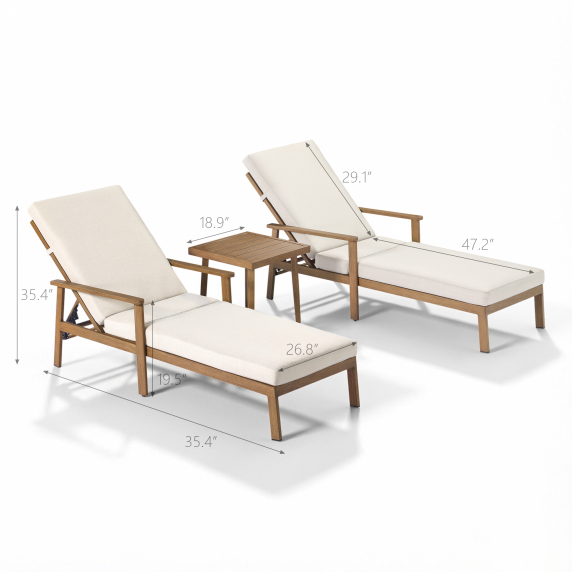
Cost Efficiency and Long-Term Investment Value
Initial furniture pricing does not fully represent long-term outdoor operational costs. Aluminum lounge products often provide lower lifetime maintenance expenses compared with alternative materials. Reduced corrosion risks decrease replacement frequency across commercial installations. Lightweight construction also lowers transportation and handling labor requirements. Premium outdoor cushions improve customer satisfaction and seating retention. Businesses frequently calculate furniture value using lifecycle performance analysis rather than purchase cost alone. Higher-quality frames generally maintain structural stability for longer periods. Durable coatings reduce refinishing and repair expenses significantly. Reliable outdoor furniture also strengthens brand presentation in hospitality environments. Long-term investment strategies typically prioritize durability, operational efficiency, and visual consistency across outdoor commercial seating installations.
FAQ
What cushion materials perform best in outdoor chaise lounges?
Outdoor cushions perform best when manufacturers use olefin, acrylic, or polyester fabrics with protective treatments. Olefin resists moisture, stains, and mildew effectively during outdoor exposure. Solution-dyed acrylic fabric maintains color stability under direct sunlight for extended periods. High-density quick-dry foam also improves moisture management and seating comfort. Commercial hospitality environments often select removable cushion covers for easier cleaning procedures. Fabric breathability remains important during hot weather conditions. UV-resistant coatings further reduce fading risks across outdoor seating applications. Durable stitching and reinforced seams additionally improve long-term cushion reliability. Material quality directly affects outdoor comfort, operational maintenance, and replacement frequency in demanding commercial environments.
How long can aluminum frame outdoor lounges remain durable outdoors?
Aluminum outdoor lounges often remain functional for many years with proper maintenance practices. Powder-coated aluminum surfaces resist corrosion effectively in humid and coastal environments. Structural lifespan depends on frame thickness, welding quality, and environmental exposure intensity. Commercial outdoor furniture generally experiences heavier daily usage compared with residential installations. Regular cleaning and seasonal inspections help preserve structural reliability over longer periods. Cushions may require replacement earlier than aluminum frames because fabrics experience direct weather exposure continuously. Many hospitality businesses select aluminum furniture because maintenance requirements remain relatively low. Proper storage during extreme seasonal conditions can also extend operational lifespan significantly in demanding outdoor environments.
Can outdoor chaise lounge cushions be replaced or customized?
Many outdoor chaise lounge systems support cushion replacement and customization options. Commercial buyers frequently request specific fabric colors matching hospitality branding requirements. Manufacturers often provide custom foam density selections for varying comfort preferences. Replacement cushions also help extend furniture usability without replacing entire frame systems. Quick-dry foam and UV-resistant fabrics remain popular customization choices for outdoor installations. Accurate cushion sizing remains important for maintaining ergonomic seating support and visual consistency. Some suppliers additionally offer waterproof liners and removable covers for easier maintenance procedures. Customization flexibility improves long-term operational efficiency because businesses can refresh outdoor seating appearance while preserving durable aluminum frame structures.