
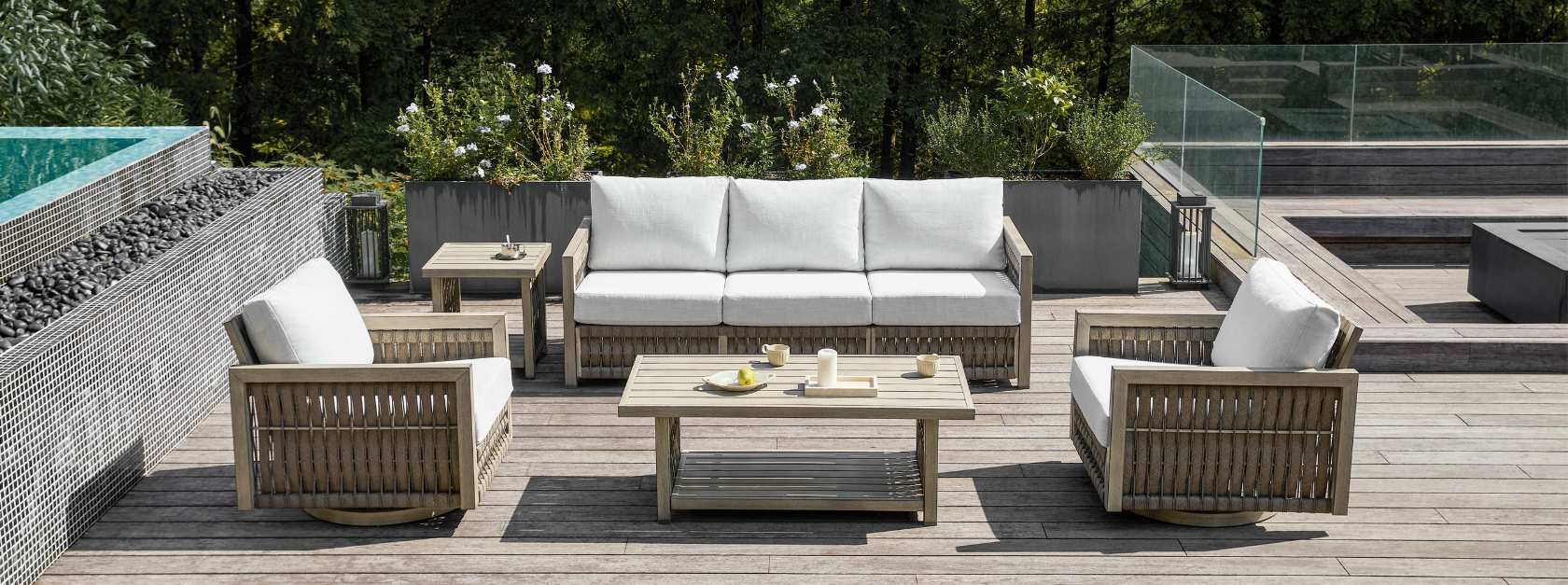
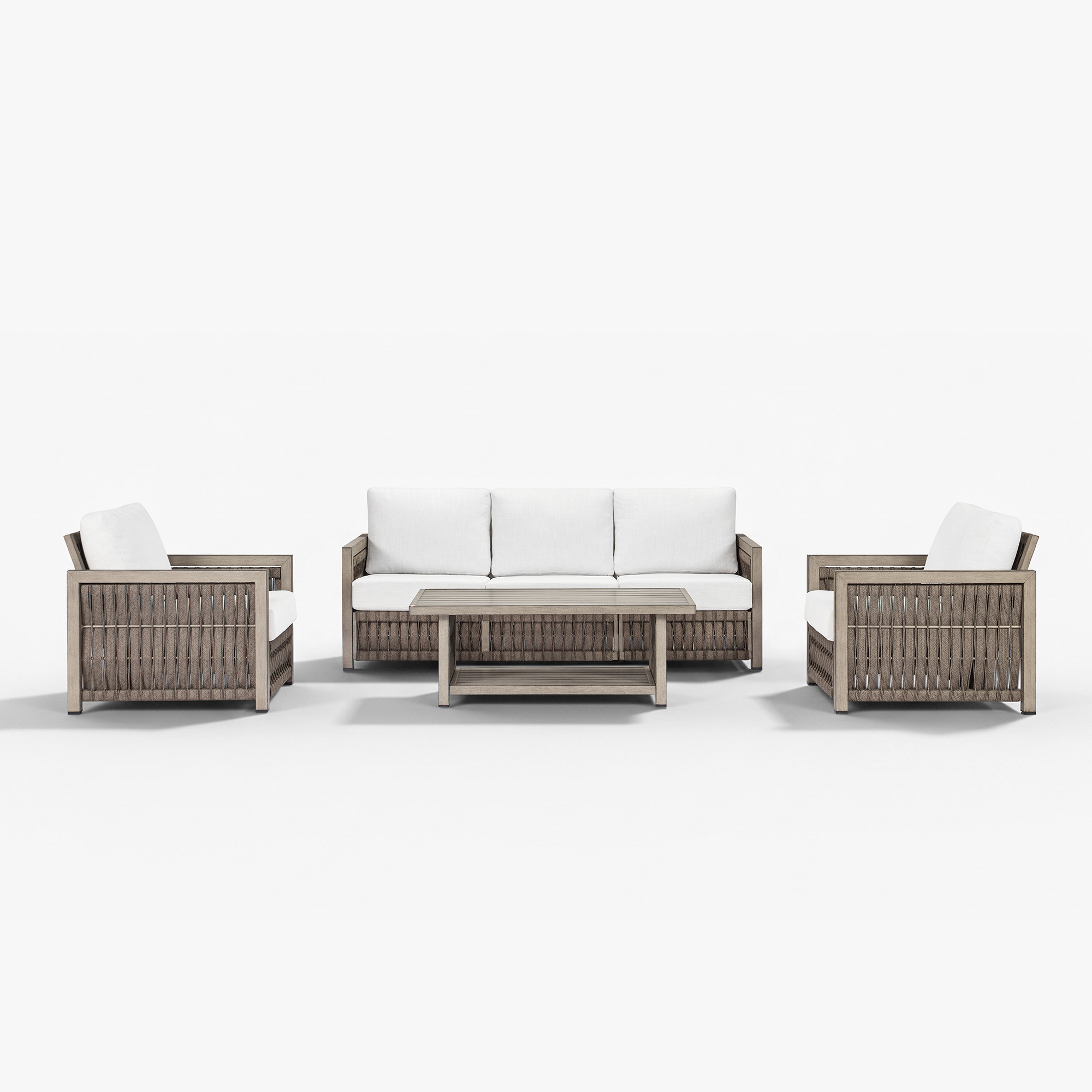

What Makes Rust Resistant Patio Furniture Last Longer?
Rust resistant patio furniture is designed for extended outdoor exposure across changing climates. rust resistant patio furniture withstands moisture, temperature shifts, and airborne pollutants better than standard options. Outdoor environments constantly challenge metal surfaces through rain, humidity, and condensation cycles. Ordinary patio furniture often degrades due to oxidation reactions. rust resistant patio furniture reduces this risk through engineered materials and protective treatments. Longevity depends on more than surface appearance. Structural composition, manufacturing processes, and environmental compatibility all influence performance. Outdoor buyers increasingly prioritize durability over short-term cost savings. Well-designed rust resistant patio furniture supports consistent appearance and structural integrity over years. These characteristics explain why such furniture remains functional long after conventional patio sets fail.
Rust resistant patio furniture and Long-Term Outdoor Durability
Rust resistant patio furniture maintains durability through deliberate material selection. Outdoor furniture faces continuous exposure to moisture and oxygen. These elements accelerate corrosion in untreated metals. rust resistant patio furniture minimizes chemical reactions that cause metal breakdown. Outdoor durability also depends on how materials respond to expansion and contraction. Temperature fluctuations stress weak joints and coatings. Durable designs distribute stress evenly across frames. Weld quality affects long-term stability under load. Hardware selection reduces galvanic reactions between metals. rust resistant patio furniture balances structural strength with corrosion resistance. This balance supports consistent performance across seasons. Long-term durability reflects engineering choices rather than cosmetic finishes.
Materials That Define rust resistant patio furniture Performance
Material composition defines how rust resistant patio furniture performs outdoors. Aluminum alloys naturally resist oxidation. Stainless steel includes chromium content that forms protective layers. Galvanized steel uses zinc coatings to slow corrosion. Each material responds differently to moisture exposure. Aluminum does not rust but can oxidize superficially. Stainless steel resists corrosion but varies by grade. Galvanized steel depends on coating thickness. Material thickness also affects structural rigidity. Thin frames may resist rust but bend under stress. rust resistant patio furniture combines corrosion resistance with load-bearing strength. Material consistency ensures predictable aging under outdoor conditions.
- Aluminum alloys with corrosion-resistant properties
- Stainless steel frames with protective chromium layers
- Galvanized steel treated with zinc coatings
- Non-metal components that reduce corrosion points
These materials determine the baseline performance of rust resistant patio furniture. Each option offers different resistance levels. Selection depends on climate intensity and usage frequency. Coastal environments demand higher corrosion resistance. Dry regions allow broader material flexibility. Material choice directly influences service life expectations.
Why rust resistant patio furniture Outlasts Standard Outdoor Furniture
Rust resistant patio furniture outlasts standard furniture through controlled corrosion pathways. Standard patio furniture often uses untreated carbon steel. Exposure initiates oxidation at weld points and fasteners. rust resistant patio furniture blocks moisture penetration at critical joints. Protective layers reduce oxygen contact with metal surfaces. Manufacturing tolerances also matter. Tight seams limit water accumulation. Standard furniture traps moisture in hollow frames. This trapped moisture accelerates internal corrosion. rust resistant patio furniture uses drainage-aware designs. These designs allow moisture to escape naturally. Longevity results from cumulative design decisions rather than isolated features.
Protective Coatings Used in rust resistant patio furniture Manufacturing
Protective coatings enhance rust resistant patio furniture lifespan. Powder coating forms a uniform barrier against moisture. Electrostatic application ensures consistent thickness. Anodizing alters aluminum surface chemistry for durability. E-coating penetrates recessed areas effectively. These coatings protect against scratches and abrasions. Coating adhesion prevents peeling under thermal stress. Multiple coating layers improve resistance to environmental wear. Surface preparation affects coating longevity. Proper cleaning removes contaminants before application. rust resistant patio furniture relies on coating integrity to preserve core materials. Manufacturing precision directly impacts coating performance.
Environmental Factors That Test Outdoor Furniture Longevity
Outdoor furniture longevity depends on environmental exposure intensity. Humidity accelerates oxidation reactions. Salt air increases corrosive activity near coastlines. Rain introduces repeated wet-dry cycles. UV radiation degrades protective coatings over time. Temperature swings stress joints and fasteners. Airborne pollutants settle on surfaces. These pollutants retain moisture against metal. rust resistant patio furniture mitigates these effects through material and coating choices. Environmental compatibility influences performance outcomes. Furniture designed for inland use may underperform in coastal zones. Matching furniture design to environment improves longevity expectations.
Structural Design Differences Between Rust Resistant and Regular Patio Furniture
Structural design separates rust resistant patio furniture from regular options. Frame geometry affects stress distribution. Rounded profiles shed water more efficiently. Flat surfaces collect moisture longer. Drainage holes prevent internal water accumulation. Joint construction reduces exposed weld seams. Reinforced stress points prevent microcracks. Microcracks allow moisture penetration over time. rust resistant patio furniture anticipates long-term exposure stresses. Regular furniture prioritizes cost efficiency. Design simplicity often sacrifices durability. Structural foresight supports extended service life outdoors.
rust resistant patio furniture Compared With Traditional Steel Furniture
This comparison highlights why rust resistant patio furniture performs better outdoors. Treatment methods slow oxidation processes. Structural features reduce moisture retention. Traditional steel furniture lacks these protections. Over time, corrosion compromises strength and appearance. Investment differences reflect engineering priorities. Long-term performance favors corrosion-resistant designs.
Maintenance Habits That Extend rust resistant patio furniture Lifespan
Maintenance habits influence rust resistant patio furniture longevity. Regular cleaning removes salt and debris. Mild detergents preserve coating integrity. Harsh chemicals degrade protective layers. Drying furniture prevents prolonged moisture contact. Seasonal inspection identifies coating damage early. Touch-up treatments restore barrier protection. Storage during extreme weather reduces exposure stress. Elevated placement improves airflow underneath frames. rust resistant patio furniture benefits from consistent care routines. Maintenance does not eliminate wear but slows degradation. Responsible habits maximize material advantages over time.
Common Myths About Rust Resistance in Outdoor Furniture
Many assume rust resistant patio furniture requires no maintenance. Resistance does not equal immunity. Protective coatings can degrade over time. Some believe heavier furniture resists rust better. Weight does not determine corrosion behavior. Others assume all stainless steel performs equally. Stainless grades vary significantly in resistance. Environmental exposure matters more than marketing claims. rust resistant patio furniture performs best when matched to conditions. Misconceptions lead to unrealistic expectations. Informed selection supports long-term satisfaction.
FAQ
Why does rust resistant patio furniture last longer in humid climates?
Rust resistant patio furniture lasts longer in humid climates due to controlled corrosion mechanisms. Humidity increases moisture contact with metal surfaces. Ordinary furniture allows moisture to penetrate seams and joints. rust resistant patio furniture uses materials that limit oxidation reactions. Protective coatings create barriers against water exposure. Drainage-oriented designs prevent internal moisture accumulation. Material alloys resist chemical reactions triggered by humidity. Combined features slow structural degradation. Longevity improves because corrosion progresses at a reduced rate. These factors collectively support extended outdoor performance.
Is rust resistant patio furniture suitable for coastal environments?
Rust resistant patio furniture suits coastal environments when designed for salt exposure. Salt accelerates corrosion by increasing electrical conductivity. Marine-grade aluminum and stainless steel perform better near oceans. Powder-coated surfaces resist salt penetration. Regular furniture corrodes rapidly under salt air. Proper material selection becomes essential. Maintenance removes salt residue before damage occurs. rust resistant patio furniture paired with cleaning routines performs reliably. Coastal suitability depends on material grade and protective systems.
Does rust resistant patio furniture require special care?
Rust resistant patio furniture requires basic care rather than specialized treatment. Routine cleaning maintains surface protection. Gentle detergents preserve coatings. Inspection helps detect early wear. Touch-up treatments address minor damage. Storage during harsh seasons reduces stress exposure. Care routines enhance longevity rather than replace design advantages. rust resistant patio furniture benefits most from consistent but simple maintenance habits. These habits complement engineered corrosion resistance.