
Comfort Benefits of Swivel Rocker Seating
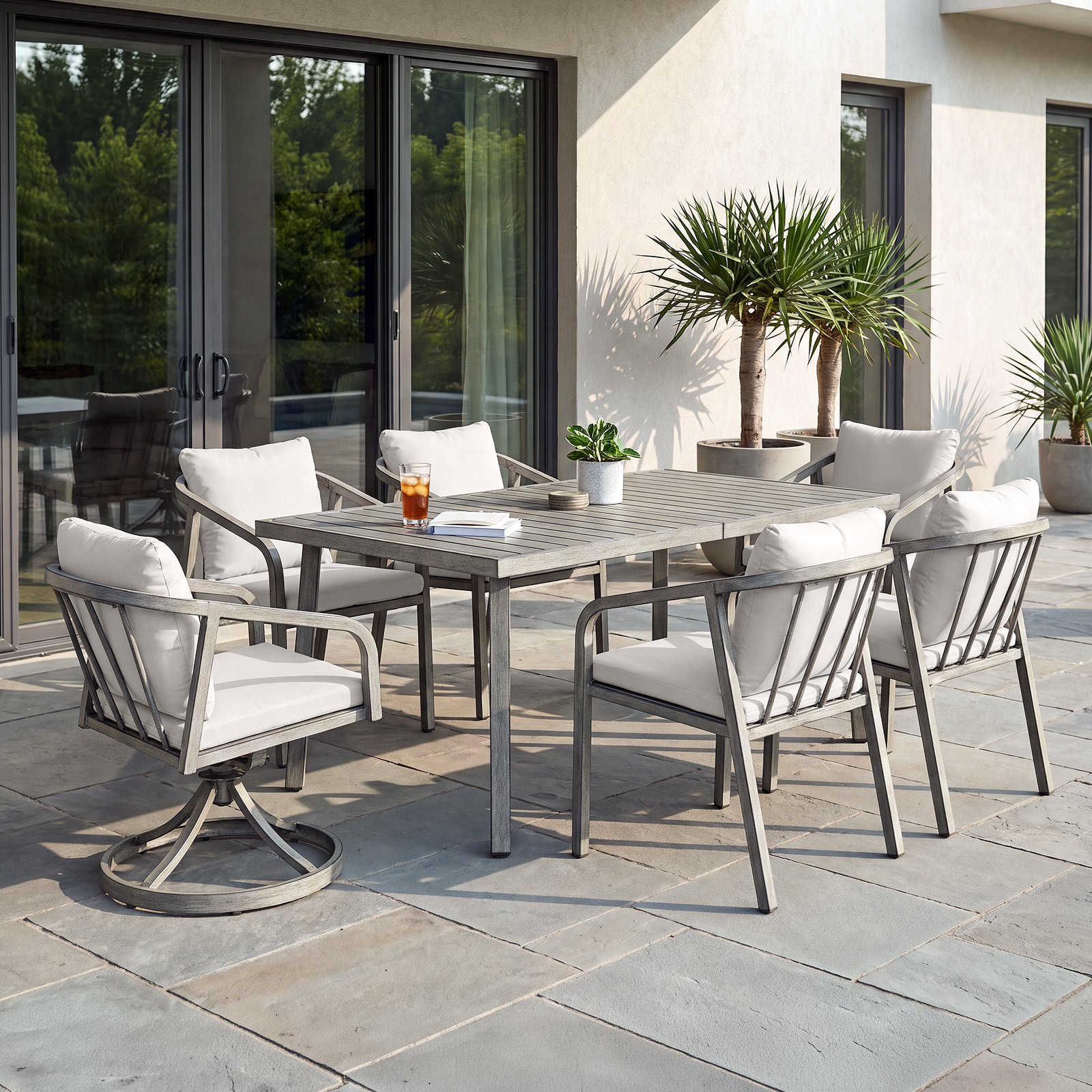
A 7/9 piece patio set with swivel rocker chairs can create a more flexible outdoor seating area. Swivel rocker chairs combine rotation with a gentle rocking motion. This design lets users adjust their body position without moving the entire chair. Rotation can also improve conversations around a large patio table. Users can turn toward guests, dining areas, or nearby views with less effort. Rocking movement adds another comfort feature during relaxed outdoor activities. Supportive cushions further improve pressure distribution across the seat and back. However, cushion thickness should match the chair frame and intended use. Proper seat depth also helps maintain a balanced posture. These details make swivel rocker seating practical for extended conversations, casual meals, and relaxed afternoons outdoors.
Why Movement Improves Outdoor Seating
Movement can make outdoor seating feel more natural during long periods of use. A swivel mechanism allows users to change direction while remaining seated. The rocking function provides controlled movement through a stable base structure. Together, these features reduce the need for repeated standing and repositioning. Users can face a table during meals and turn toward guests afterward. This flexibility also supports different activities within the same patio area. Rocking movement may feel especially useful during quiet conversations or casual reading. Designers should still consider mechanism quality because excessive looseness can affect stability. Smooth bearings and reinforced mounting points help maintain consistent movement. Therefore, swivel rocker seating works best when comfort features also receive strong structural support.
7/9 piece patio set with swivel rocker chairs for Group Seating
A 7/9 piece patio set with swivel rocker chairs can support several outdoor seating arrangements. Seven-piece configurations often suit medium-sized patios with limited floor space. Nine-piece layouts provide additional capacity for larger households and frequent gatherings. The exact arrangement depends on the table shape and chair dimensions. Rectangular tables can create organized dining zones with chairs along multiple sides. Round tables can encourage easier conversation because users sit closer to a shared center. Swivel chairs also allow guests to change their viewing direction without shifting furniture. Buyers should measure both the furniture footprint and surrounding clearance. Doorways, walkways, grills, and pool edges require additional planning space. A larger set should never block important movement routes around the patio.
Frame Materials That Support Daily Patio Use
The frame determines much of a patio chair's strength, weight, and weather performance. Aluminum offers low weight and strong resistance against ordinary outdoor corrosion. Powder-coated aluminum can also provide an additional protective surface. Steel frames generally provide substantial structural strength and a heavier overall feel. However, exposed steel requires suitable corrosion protection in humid environments. Stainless steel can resist corrosion more effectively, although it often costs more. Frame joints deserve equal attention because stress concentrates around connection points. Welded joints can provide strong permanent connections when manufacturers control welding quality carefully. Bolted joints allow maintenance or component replacement when designed correctly. Buyers should also inspect the swivel mounting area for reinforcement. A durable frame should support repeated movement without excessive flexing or unwanted noise.

Cushion Construction and Outdoor Fabric Performance
Cushions strongly influence comfort because they control pressure distribution across the seating surface. High-resilience foam can provide balanced support without feeling excessively rigid. Open-cell foam can improve drainage when manufacturers design cushions for outdoor exposure. Cushion thickness alone does not determine comfort or long-term performance. Foam density, compression recovery, fabric tension, and seat geometry also matter. Outdoor fabrics need resistance against ultraviolet exposure, moisture, and repeated handling. Solution-dyed acrylic fabrics can maintain color better under regular sunlight exposure. Polyester fabrics can provide another practical option when treated for outdoor conditions. Water-resistant covers can reduce moisture absorption but may not provide complete waterproofing. Removable covers also simplify cleaning and seasonal storage. These material choices help maintain consistent comfort throughout repeated patio use.
Layout Flexibility for Different Patio Spaces
Different outdoor spaces require different seating arrangements and clearance strategies. Before choosing a set, buyers should consider these practical factors:
- Measure the patio's usable floor area before selecting furniture dimensions.
- Reserve clear pathways between seating, doors, stairs, and other fixed features.
- Check the table footprint alongside the complete chair arrangement.
- Allow enough clearance for swivel and rocking movement.
- Consider storage space when seasonal weather requires furniture protection.
These measurements help prevent overcrowding and improve everyday usability. A compact patio may need fewer pieces despite having enough room for chairs individually. Larger spaces can accommodate additional seats while preserving comfortable circulation. Covered patios may also allow more flexible furniture placement near walls. Open patios require greater attention to weather exposure and movement routes. Furniture placement should support both seated activities and routine maintenance. Therefore, space planning should happen before comparing decorative finishes or cushion colors.
How Swivel Rocker Chairs Affect Space Planning
Swivel rocker chairs need more usable space than stationary dining chairs. A 7/9 piece patio set with swivel rocker chairs needs enough clearance for rotational movement. Rocking also requires additional room behind the backrest and beneath the chair base. Furniture should therefore remain clear of walls, planters, and other fixed obstacles. Users need enough space to enter, exit, and reposition themselves comfortably. The table should provide adequate legroom beneath its top surface. Armrests can increase the effective width of each seating position. Buyers should measure the full chair width, including armrests, before planning the layout. Movement clearance becomes especially important around rectangular tables with narrow ends. Careful spacing helps prevent contact with nearby furniture during rotation. It also keeps the seating area comfortable during busy gatherings.
Table and Seating Compatibility
The table should match the chairs in height, scale, and intended function. Dining-height tables normally require chairs with suitable seat heights and supportive backrests. Armrests should fit beneath the table when users push chairs inward. Swivel movement can simplify entry when table clearance becomes limited. However, the table base must not interfere with chair legs or movement zones.
| Factor | What to Check | Why It Matters |
|---|---|---|
| Table Height | Match the chair seat height | Supports comfortable dining posture |
| Armrest Clearance | Check space beneath the tabletop | Allows easier chair positioning |
| Table Base | Review leg and pedestal placement | Prevents interference during movement |
| Seat Spacing | Measure each seating position | Reduces crowding around the table |
| Movement Area | Allow swivel and rocking clearance | Supports unrestricted chair movement |
The relationship between table dimensions and chair movement affects the entire seating experience. A large tabletop can provide useful dining space but increase the overall furniture footprint. Smaller tables can improve circulation while limiting individual dining space. Buyers should also consider chair arm height and table apron depth. These dimensions can determine whether chairs slide fully underneath the tabletop. Swivel rocker chairs benefit from tables that provide open and accessible seating positions. A compatible combination feels balanced when users sit, rotate, rock, and stand. Careful dimensional matching can therefore improve both comfort and daily patio functionality.
Weather Resistance and Maintenance Requirements
Outdoor furniture faces changing humidity, ultraviolet radiation, rain, dust, and temperature conditions. Material selection should therefore reflect the actual patio environment. Aluminum frames generally require less corrosion protection than untreated steel frames. Powder coatings can provide another barrier against moisture and surface wear. Fabrics still need routine cleaning because dirt can retain moisture against cushions. Users should remove standing water after heavy rain whenever practical. Cushion covers should follow the manufacturer's cleaning instructions to prevent premature fabric damage. Swivel mechanisms may also require periodic inspection for debris and unusual resistance. Hardware can loosen gradually under repeated movement and outdoor temperature changes. Seasonal covers can reduce exposure when furniture remains unused for extended periods. Consistent maintenance helps preserve appearance, movement quality, and structural performance over time.
Safety and Structural Details to Check
Swivel and rocking mechanisms contain moving components that require reliable structural support. Buyers should inspect mounting plates, fasteners, bearings, and connection points before purchase. Loose hardware can create unwanted movement and uneven rocking behavior. Reinforced mounting areas can distribute mechanical loads more effectively through the frame. Weight capacity should match the expected users and normal seating conditions. The chair should remain stable during both rotation and rocking movement. Sharp frame edges should receive suitable finishing around contact areas. Cushion attachments should also prevent excessive sliding during normal use. Manufacturers should provide clear assembly instructions for products requiring customer installation. Correct assembly helps maintain the intended alignment of moving components. Regular inspections can identify loose fasteners or unusual movement before they affect daily use.
7/9 piece patio set with swivel rocker chairs for Entertaining
A 7/9 piece patio set with swivel rocker chairs can support flexible outdoor entertaining. Seven-piece arrangements can work well for family meals and smaller social gatherings. Nine-piece configurations can accommodate more guests when the patio provides sufficient clearance. Swivel movement helps guests turn toward different conversations without rearranging furniture. Rocking functions can also create a more relaxed atmosphere after meals. The table remains the central surface for food, drinks, and shared activities. Seating should maintain enough distance for guests to move comfortably around the table. Additional side tables can provide useful space without expanding the primary dining footprint significantly. Buyers should consider how often they host guests before choosing additional seating. Matching furniture dimensions to actual usage can prevent unnecessary crowding and improve everyday flexibility.
Choosing the Right Patio Set Configuration
The right configuration depends on available space, seating needs, materials, and maintenance expectations. Buyers should compare complete furniture dimensions rather than relying only on piece counts. A seven-piece set may provide sufficient seating for regular household use. A nine-piece configuration may suit larger groups when circulation space remains available. Swivel rocker chairs add movement features that require additional clearance around each seat. Frame materials should match local weather exposure and expected maintenance routines. Cushion construction should also match the desired balance between softness, support, and drainage. Table dimensions need to complement both chair proportions and movement requirements. Buyers can then compare finishes and decorative details after functional factors meet their needs. This approach creates a patio arrangement that supports comfort without sacrificing practical space.
FAQ
What Is Included in a 7/9 Piece Patio Set?
A seven-piece patio set commonly includes one table and six seating pieces. A nine-piece set often includes one table and eight seating pieces. However, manufacturers can use different combinations for each configuration. Some sets may include swivel rocker chairs, stationary chairs, benches, or other seating types. Buyers should check the exact product specification before placing an order. Table shape and chair design can also vary between collections. The listed piece count refers to individual furniture components rather than the number of seats alone. Therefore, checking the complete package contents helps prevent misunderstandings. Measurements should also be reviewed because two sets with identical piece counts can require different patio areas.
Are Swivel Rocker Chairs Comfortable for Long Periods?
Swivel rocker chairs can provide comfortable seating when their proportions and cushions match the user's needs. Rotation lets users change direction without standing or dragging the chair. Rocking movement adds gentle motion during conversations and relaxed activities. Cushion quality also affects pressure distribution across the seat and back. Appropriate seat depth helps maintain a supported sitting position. Armrests can provide additional support during longer periods of use. However, comfort varies with cushion density, chair geometry, body proportions, and personal preference. Users should therefore consider these factors alongside the swivel mechanism. A stable base and smooth movement are also important for maintaining comfortable operation during extended outdoor sessions.
How Much Space Does a Swivel Rocker Patio Set Need?
The required space depends on table dimensions, chair width, and movement clearance. Swivel rocker chairs need additional room for rotation and rocking compared with stationary seating. Buyers should measure the complete furniture footprint before installation. Clearance behind each chair should allow users to rock without contacting walls or other furniture. Side clearance should support easy entry and exit from each seating position. Walkways should remain unobstructed around the table and seating area. Patio doors, stairs, grills, and planters also require separate clearance zones. A larger nine-piece configuration generally needs more usable floor space than a smaller seven-piece arrangement. Exact requirements vary by product, so manufacturer dimensions should guide final placement.