
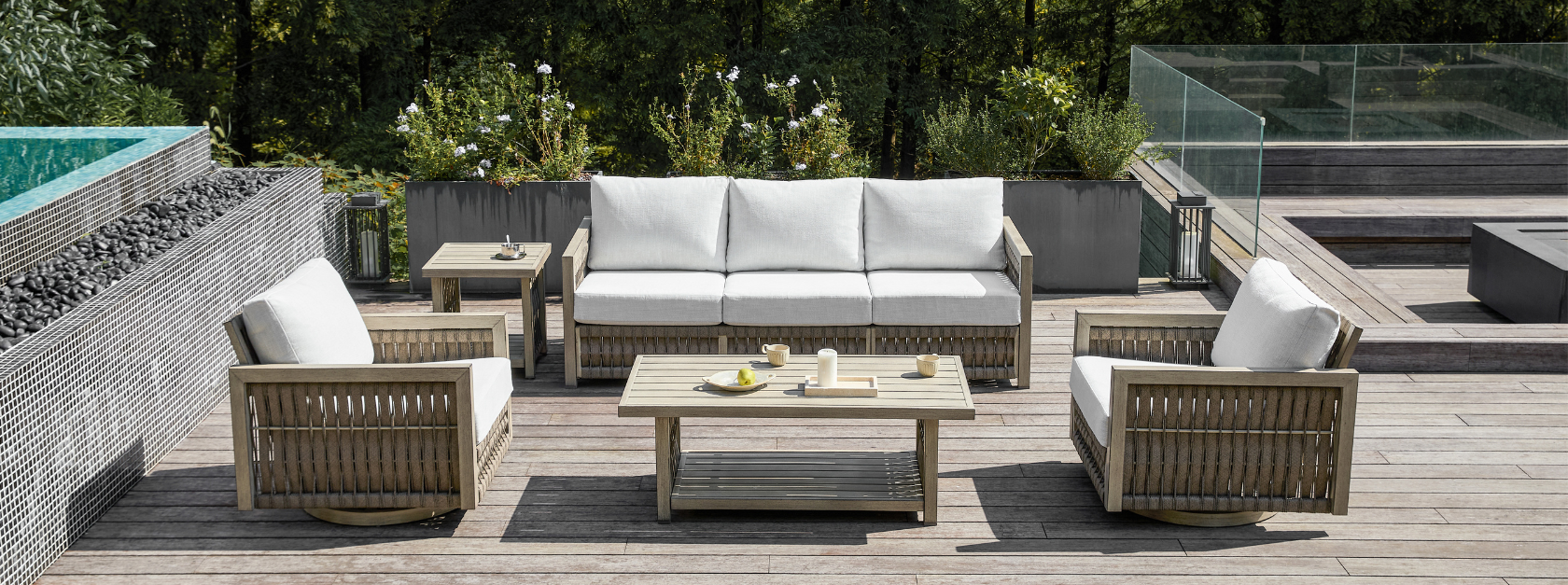
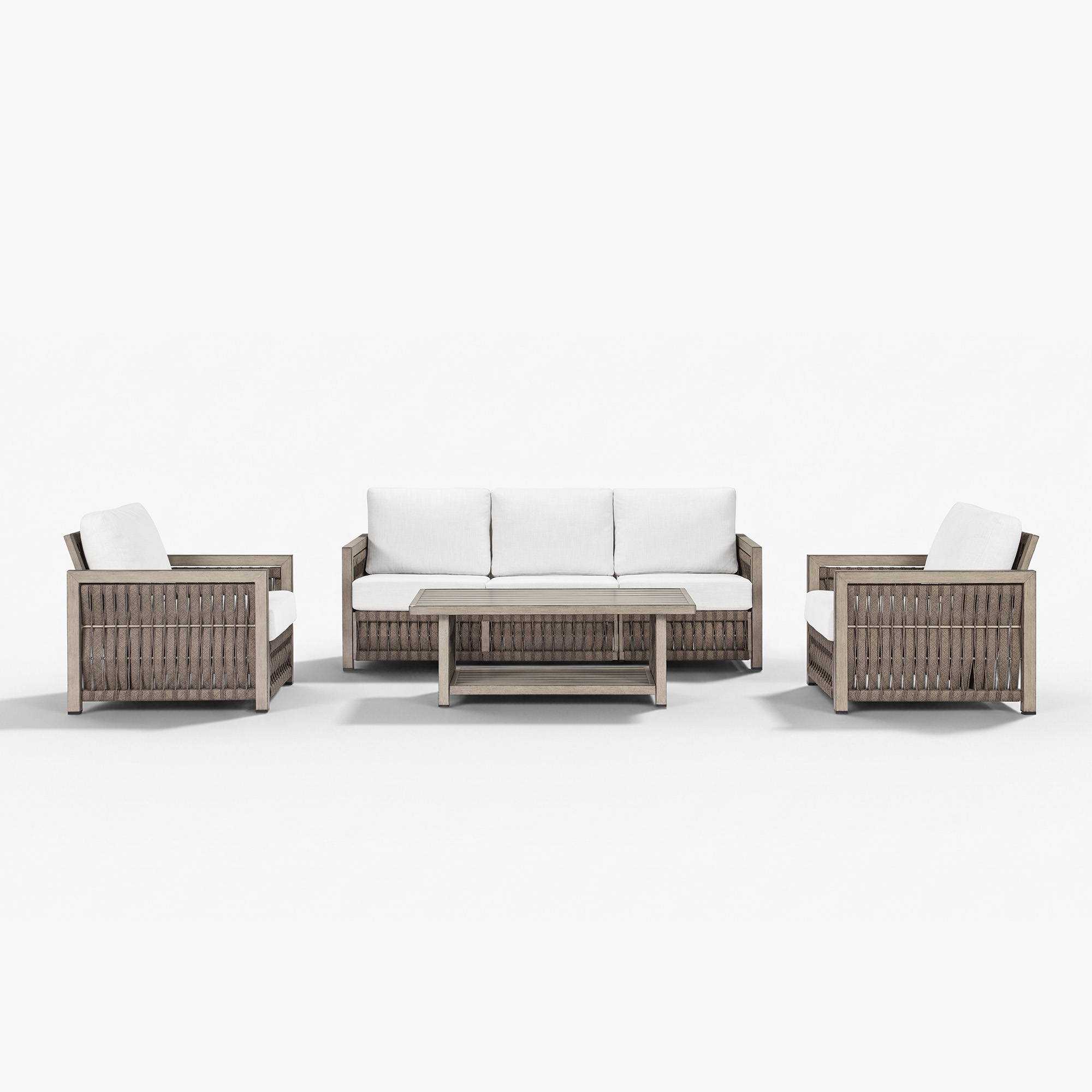

Finding the perfect round patio dining tables for small spaces requires a strategic balance between functional surface area and foot traffic. Most urban balconies or tiny garden nooks struggle with bulky, rectangular furniture that blocks natural pathways. A circular design naturally softens the visual boundaries of a cramped outdoor area. You should prioritize a diameter between 36 and 44 inches to accommodate two to four adults comfortably. This specific sizing ensures that every guest has enough elbow room without overwhelming the limited square footage. Choosing the right proportions allows you to transform a neglected corner into a high-end al fresco bistro. Success in small-space styling depends on your ability to select furniture that breathes within its environment. High-quality outdoor dining starts with a smart, space-saving circular foundation.
Maximizing Legroom with Pedestal Base Designs
The structure of the table base significantly impacts how many people can sit together comfortably. Traditional four-legged tables often create "knee-knock" zones that make small gatherings feel even more restricted. You should look for round patio dining tables for small spaces that feature a central pedestal or cylindrical base. This architectural choice frees up the entire perimeter for your legs and chair tucked-in space. A weighted cylindrical pedestal also provides superior stability on uneven stone or wooden decking surfaces. These bases allow for more flexible seating arrangements when an extra guest arrives unexpectedly. Prioritizing legroom ensures that your intimate outdoor meals remain relaxed rather than physically cramped. Centrally supported tables are the gold standard for high-functioning, compact patio environments.
Utilizing Folding Leaves for Dynamic Social Needs
Versatility is the primary weapon for homeowners dealing with a fluctuating number of guests. Some circular outdoor tables incorporate "drop-leaf" or folding sections that allow the unit to sit flush against a wall. This configuration is perfect for solo morning coffees where you only need a semi-circle of surface area. When friends arrive for dinner, you simply raise the leaves to create a full dining circle. This dynamic flexibility ensures that your furniture never dictates how you use your limited outdoor square footage. High-quality hinges made from stainless steel prevent the folding mechanism from rusting over several rainy seasons. Modern folding designs offer a "transformer" style utility that is essential for urban living. Smart engineering allows one piece of furniture to serve multiple social roles effectively.
Strategic Comparison of Small Round Patio Table Features
| Design Feature | Standard Outdoor Table | Compact Space Optimized Table |
|---|---|---|
| Support Structure | Four corner legs | Central pedestal or cylinder |
| Shape Profile | Rectangular or square | Circular with tapered edges |
| Storage Options | Fixed and non-movable | Folding leaves or stackable |
| Visual Weight | Dark, heavy materials | Light colors or mesh frames |
Why Light Colors and Mesh Frames Expand the View
The visual weight of your furniture determines if a small balcony feels airy or cluttered. Dark, solid materials like heavy wrought iron can "close in" a space and make it feel significantly smaller. You should choose round patio dining tables for small spaces finished in light tones like white, sand, or soft gray. These colors reflect natural sunlight and help the furniture blend into the surrounding sky or walls. Utilizing mesh tabletops or thin-profile frames allows the eye to travel through the piece to the floor below. This transparency trick creates the illusion of more open ground space than actually exists on your patio. A light and airy aesthetic is a hallmark of professional small-space design principles. Choosing the right finish is just as important as selecting the physical dimensions.
Ensuring Stability with Integrated Umbrella Holes
Stability is a major concern for lightweight tables that sit in windy, exposed outdoor areas. Most high-quality compact circular tables include a pre-drilled center hole for a protective sun umbrella. You must ensure that the umbrella base matches the weight requirements of the table to prevent tipping. A heavy-duty base tucked under a pedestal design provides a low center of gravity for the entire set. This keeps your dining area safe during sudden gusts without needing bulky sandbags or ugly weights. Integrated umbrella support allows you to enjoy shaded meals without sacrificing any valuable tabletop real estate. Safety and functionality go hand in hand when engineering a durable outdoor dining node. Proper weighting ensures your bistro set remains a permanent and reliable outdoor fixture.
-
Choose armless chairs to save several inches of width around the table perimeter.
-
Ensure a 36-inch clearance path remains open for easy movement around the set.
-
Select stackable seating to clear the area quickly during the off-season months.
-
Use a tempered glass top to provide a wipe-clean, modern, and transparent look.
Optimizing Traffic Flow with Armless Seating Choices
The list provided outlines how specific chair selections can further enhance a compact dining area. Armless chairs allow the seats to tuck completely under the table when they are not in use. This simple choice can reclaim up to twelve inches of floor space around the entire circular set. Maintaining a clear 36-inch path around the table ensures that guests can move without bumping into walls. Stackable seating options are perfect for residents who need to clear their balcony for cleaning or winter storage. A tempered glass surface provides a sophisticated touch while remaining incredibly easy to maintain after a dusty summer. These small choices reflect a mature and well-organized approach to modern urban patio styling. Efficiency in furniture selection is the key to maximizing every square inch.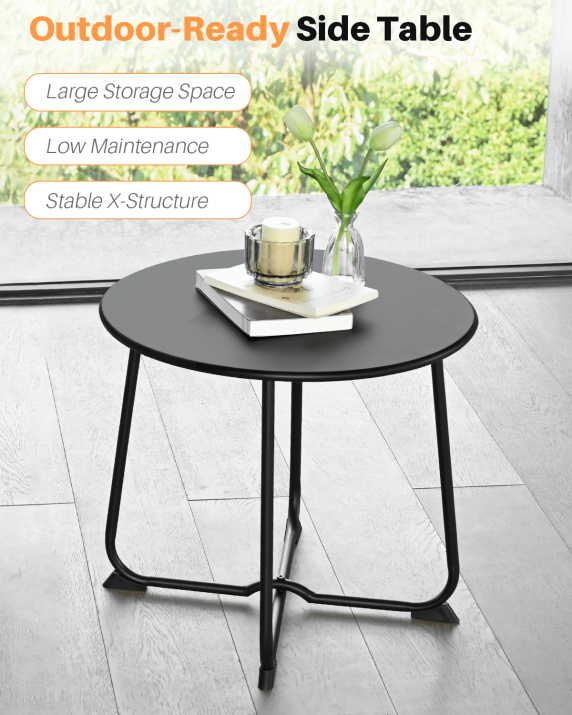
Balancing Material Durability and Portable Weight
Compact furniture often needs to be moved or rearranged to accommodate different activities on a small deck. You should look for powder-coated aluminum frames that offer the strength of metal with a much lighter weight. Aluminum does not rust, making it an ideal choice for coastal environments or humid city climates. The lighter weight allows you to shift the table easily to follow the shade during the afternoon. However, the base should still be heavy enough to anchor the set against local wind conditions. High-quality outdoor furniture should feel substantial yet manageable for a single person to relocate if necessary. Finding the "sweet spot" between durability and portability is a sign of a well-engineered patio product. Reliable materials ensure your dining set survives years of frequent moves and seasonal shifts.
Creating an Intimate Bistro Vibe for Social Dining
A circular table naturally encourages conversation because everyone sits at an equal distance from the center. This geometry is perfect for romantic dinners or intimate morning brunches on a small city balcony. Unlike a long rectangular table, there is no "head" of the table, creating a more relaxed atmosphere. You can enhance this vibe by adding a small, colorful centerpiece or a set of solar-powered lanterns. Keeping the center of the table clear of clutter helps maintain the feeling of openness and space. An intimate bistro setting transforms a generic outdoor area into a curated destination for your family. The round shape is the most socially efficient design for compact residential environments. Your backyard should be a place where high-quality design meets effortless human connection.
Final Recommendations for Your Compact Patio Strategy
Selecting the best round patio dining tables for small spaces requires a focus on both dimensions and visual lightness. You should prioritize a pedestal base to maximize legroom and allow for flexible seating for up to four. Light-colored, thin-profile frames help expand the visual field and make your balcony appear larger and more inviting. Remember to use armless chairs to reclaim floor space and ensure a clear walking path remains open daily. A folding leaf design offers the ultimate versatility for residents who need their outdoor area to serve multiple roles. By focusing on these professional design features, you create a sophisticated dining area that defies its small footprint. You deserve a beautiful outdoor retreat regardless of how much square footage you have available. Start building your perfect compact dining area with a smart circular table today.
FAQ
How much space should I leave between the table and the balcony railing?
You should aim for a minimum of 36 inches of clearance between the table edge and any obstacles. This "traffic zone" allows a person to walk comfortably behind a seated guest without turning sideways or tripping. In extremely tight spaces, you might reduce this to 24 inches, but it will feel significantly more cramped. Measuring your balcony before buying ensures that your circular set fits without blocking the sliding door or railing. Proper spacing is the difference between a functional outdoor room and a cluttered storage area.
Are glass tabletops a good idea for small, windy balconies?
Glass tabletops are excellent for small spaces because they are transparent and reduce the "visual clutter" of the furniture. However, you must ensure the glass is "tempered" for safety in case of an accidental impact or fall. On a windy balcony, a glass top adds significant weight to the frame, which can actually help keep the table stable. Most modern glass tops are held in place with secure suction cups or integrated frames to prevent rattling. Just be aware that glass requires frequent cleaning to remove water spots or dust from the city air.
Which material is the most "low-maintenance" for a small outdoor table?
Powder-coated aluminum is widely considered the most low-maintenance material for any all-weather outdoor furniture. It does not rust, rot, or fade significantly, and it only requires an occasional wipe with soapy water. Unlike wood, it never needs sanding or oiling, and unlike iron, it will never leave rust stains on your deck. High-quality synthetic resins are also a good option, but they can sometimes become brittle if exposed to extreme UV rays over many years. For most urban dwellers, aluminum offers the perfect balance of long-term durability and effortless upkeep.