
Why Seating Quality Shapes Outdoor Commercial Spaces
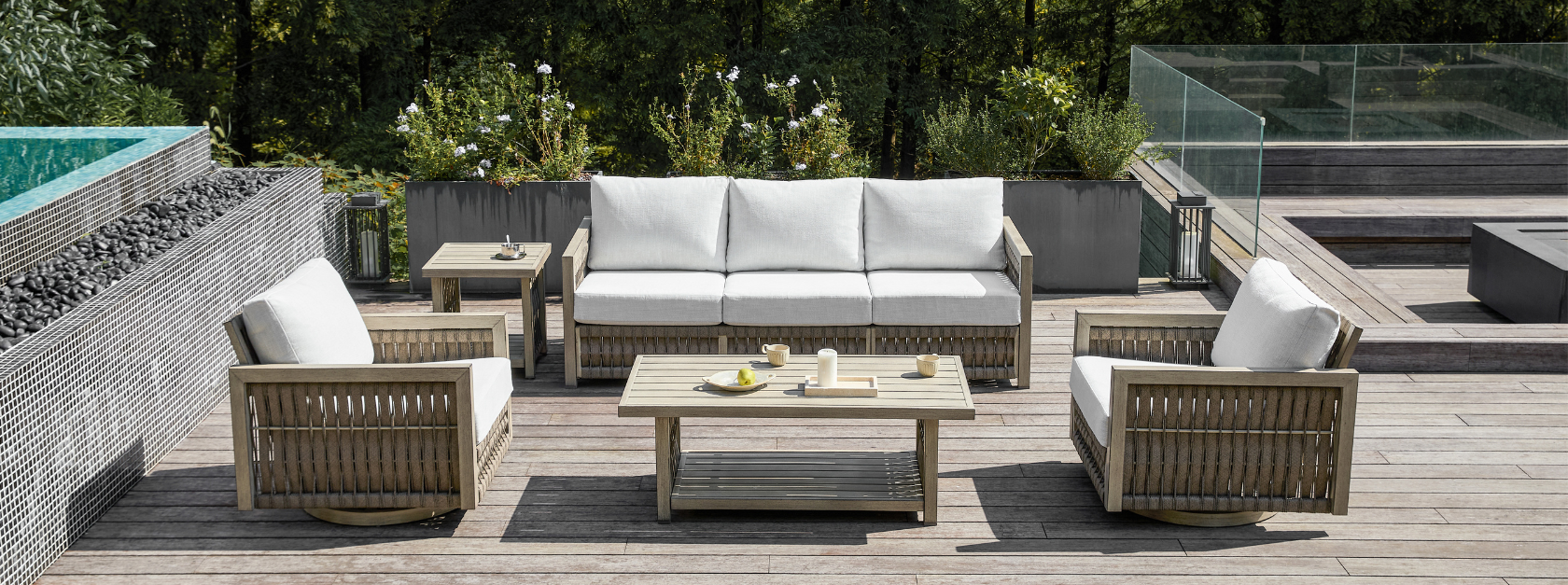
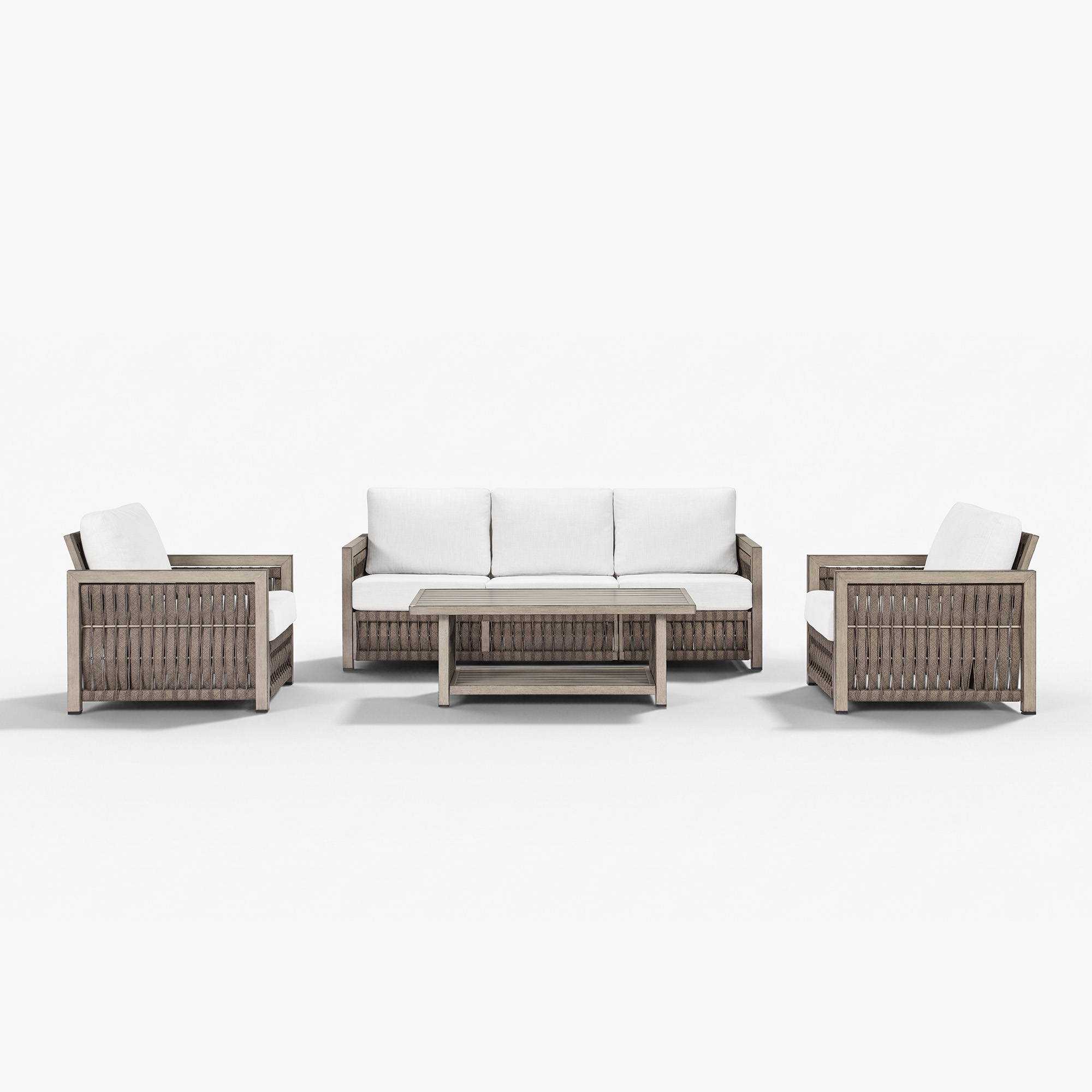
Outdoor seating strongly influences customer retention across hospitality environments. Hotels, resorts, cafes, and villas require furniture with reliable structural performance. Buyers also expect strong visual consistency across large outdoor projects. A washable outdoor conversation sofa set supports these operational goals through easier maintenance and longer service life. Commercial managers often prioritize weather resistance before aesthetic details. Moisture, sunlight, and temperature shifts create continuous stress on outdoor materials. Poor-quality seating usually develops corrosion, fading, or unstable frames within short periods. Strong commercial furniture reduces replacement frequency and operational interruptions. Professional procurement teams therefore evaluate frame engineering, textile performance, and maintenance costs together. Comfortable seating also encourages longer guest stays within restaurants and outdoor lounges. Higher visitor retention often increases food, beverage, and hospitality revenue during peak seasons.
What Materials Deliver Long-Term Outdoor Performance
Material selection determines durability across demanding outdoor commercial environments. Aluminum frames remain popular because they resist corrosion and reduce transportation weight. Galvanized steel provides higher structural strength for large hospitality installations. PE rattan performs well under sunlight because synthetic fibers resist cracking and moisture penetration. Teak wood offers natural oil protection against humidity and fungal growth. Olefin fabric has become common within premium seating collections due to UV resistance and color stability. Solution-dyed acrylic textiles also maintain appearance after long outdoor exposure. Cushion covers require waterproof coatings that prevent internal moisture accumulation. High-quality suppliers usually apply multi-layer powder coatings on metal surfaces. These coatings reduce oxidation caused by salt air near coastal resorts. Commercial buyers also inspect screw materials carefully because stainless steel hardware improves structural reliability during continuous outdoor use.
How Frame Engineering Impacts Structural Reliability
Frame engineering directly affects outdoor seating stability and long-term safety. Commercial furniture manufacturers commonly use robotic welding for consistent structural precision. Reinforced stress points improve weight distribution across armrests and seat bases. Thicker aluminum tubing increases resistance against bending during daily hospitality operations. Powder-coated finishes protect frame surfaces from oxidation and surface abrasion. Multi-stage surface treatment systems usually include degreasing, phosphating, and electrostatic coating procedures. These technical processes improve adhesion strength and corrosion resistance. Several hospitality projects require seating that satisfies commercial load-bearing standards above residential requirements. Independent laboratories often perform static pressure and fatigue testing before export approval. Strong frame geometry also reduces wobbling after repeated movement across outdoor flooring surfaces. Professional buyers therefore evaluate internal frame construction instead of focusing entirely on visible design appearance. Reliable engineering supports safer and more stable guest experiences throughout busy outdoor commercial spaces.
Why washable outdoor conversation sofa set Improves Maintenance Efficiency
Maintenance efficiency remains essential for hotels, resorts, and commercial property operators. A washable outdoor conversation sofa set reduces labor costs because removable covers simplify cleaning procedures. Staff members can quickly remove stains caused by beverages, sunscreen, or outdoor dining activities. Fast-drying fabrics also reduce downtime after rainfall or deep cleaning schedules. Many commercial suppliers now apply anti-mildew textile treatments for humid environments. These protective coatings limit odor buildup during seasonal storage periods. Waterproof inner liners additionally prevent foam contamination caused by moisture penetration. Hospitality businesses often manage hundreds of outdoor seats simultaneously across large properties. Simplified cleaning procedures therefore improve operational consistency and staffing efficiency. Outdoor furniture with complicated maintenance requirements usually increases replacement frequency over time. Washable seating systems support cleaner guest environments while protecting long-term operational budgets. Strong maintenance performance also improves visual presentation during high-traffic hospitality seasons and promotional events.
Cushion Construction and Ergonomic Support Standards
Commercial seating comfort depends heavily on cushion engineering and ergonomic proportions. High-resilience foam maintains shape stability after repeated guest use across busy hospitality spaces. Foam density between 28D and 35D usually provides balanced softness and structural support. Lower-density materials often collapse faster under continuous commercial pressure. Ergonomic seat depth also influences customer comfort during extended outdoor conversations. Professional furniture designers commonly optimize backrest angles between 100 and 110 degrees. This positioning supports lumbar comfort without creating excessive reclining posture. Breathable fabric structures improve airflow during hot summer conditions. Quick-dry foam technology further prevents moisture retention after rainfall exposure. Premium outdoor cushions additionally use layered internal construction for better pressure distribution. Durable stitching techniques prevent seam separation during long-term commercial use. Consistent comfort standards help hotels and restaurants maintain positive customer experiences across outdoor dining and lounge environments.
Which Design Styles Match Modern Outdoor Projects
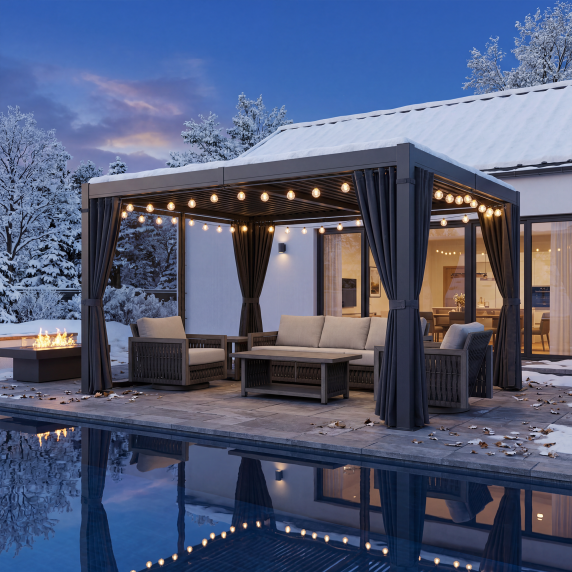
Modern outdoor projects require seating styles that complement architectural identity and branding goals. Minimalist furniture designs suit luxury hotels with clean contemporary landscapes. Coastal-inspired collections often feature light cushions combined with teak or woven textures. Industrial outdoor environments commonly integrate dark metal frames with neutral fabric palettes. Resort-focused seating usually emphasizes larger cushions and relaxed lounge proportions. Designers also prioritize color coordination across umbrellas, flooring, and lighting systems. Flexible modular arrangements improve layout adaptability for changing event requirements. Commercial buyers frequently prefer neutral tones because they simplify long-term styling updates. Soft gray, beige, and charcoal finishes remain highly popular across hospitality projects. A washable outdoor conversation sofa set also supports visual consistency because clean surfaces preserve professional presentation standards. Outdoor furniture therefore functions as both a practical asset and a branding component. Strong visual coordination improves guest perception throughout restaurants, villas, rooftop lounges, and poolside hospitality spaces.
Key Features Buyers Should Evaluate Before Bulk Purchasing
Commercial procurement teams carefully evaluate several technical factors before confirming outdoor furniture orders. Product appearance alone cannot guarantee long-term operational performance. Buyers usually inspect material specifications, hardware quality, and supplier consistency before bulk purchasing decisions.
- Frame wall thickness above 1.5mm improves structural durability
- Stainless steel screws reduce corrosion risks in humid environments
- UV-resistant fabric prevents fading during long sunlight exposure
- Quick-dry foam limits internal moisture accumulation after rainfall
- Reinforced packaging protects products during international shipping
- Commercial warranty policies indicate supplier manufacturing confidence
- Independent testing certifications support hospitality compliance requirements
- Replaceable cushion covers simplify maintenance for large properties
Professional suppliers also provide detailed inspection reports before shipment release. Quality control teams normally verify welding consistency, coating adhesion, and textile stitching performance. Strong inspection procedures reduce defect rates during large hospitality installations. Reliable procurement standards therefore protect operational investments and customer satisfaction simultaneously.
Technical Comparison Between Popular Outdoor Seating Materials
| Material | Average Lifespan | Maintenance Level | Corrosion Resistance | Commercial Suitability |
|---|---|---|---|---|
| Aluminum | 8-12 Years | Low | Excellent | Very High |
| Galvanized Steel | 6-10 Years | Medium | High | High |
| PE Rattan | 5-8 Years | Low | Good | High |
| Teak Wood | 10-15 Years | Medium | Natural Protection | Premium Projects |
| Olefin Fabric | 4-6 Years | Low | Excellent UV Stability | Very High |
Material comparison helps procurement managers balance budget expectations with operational durability targets. Aluminum remains highly preferred because it combines low maintenance requirements with strong corrosion resistance. Teak performs exceptionally within luxury hospitality environments but requires periodic surface treatment. PE rattan supports relaxed outdoor aesthetics while maintaining good weather resistance. Commercial buyers also evaluate climate conditions before selecting materials for long-term installations. Coastal projects generally require stronger anti-corrosion protection due to salt exposure. Dry regions often prioritize UV stability because sunlight intensity accelerates fabric degradation. Material compatibility therefore directly influences replacement cycles, maintenance costs, and overall hospitality presentation quality across outdoor environments.
How washable outdoor conversation sofa set Supports Hospitality Branding
Hospitality branding depends heavily on visual consistency and customer comfort standards. Outdoor furniture strongly shapes guest impressions within restaurants, hotels, and luxury villas. A washable outdoor conversation sofa set helps businesses maintain cleaner seating presentation during peak operational periods. Consistent visual quality supports stronger brand perception among visitors and event organizers. Premium outdoor lounges also encourage social interaction and longer customer retention periods. Comfortable seating arrangements frequently improve food and beverage sales across commercial hospitality spaces. Durable furniture additionally reduces visual deterioration caused by heavy seasonal traffic. Professional hospitality designers often integrate furniture styling with landscape lighting and architectural materials. Coordinated outdoor layouts create more memorable customer experiences during evening operations. Strong seating presentation also benefits promotional photography and digital marketing campaigns. Commercial furniture therefore contributes directly to both operational performance and long-term hospitality branding objectives across competitive service industries.
Logistics, Packaging, and International Compliance Requirements
International furniture transportation requires strong packaging protection and compliance management. KD packaging methods reduce shipping volume while improving container loading efficiency. Export suppliers commonly use foam protection, reinforced cartons, and moisture barriers during packaging procedures. ISTA transportation testing evaluates package resistance against vibration and compression stress. Commercial buyers also verify fire resistance standards for outdoor textile components. Several hospitality projects require compliance with regional safety and environmental regulations. Fabric suppliers often provide UV testing reports and chemical compliance documentation before shipment approval. Moisture-resistant packaging becomes especially important during ocean transportation across humid climates. Strong logistics coordination also minimizes damage risks during warehouse handling and final delivery stages. Reliable suppliers maintain organized export documentation systems for customs clearance efficiency. Professional logistics planning therefore protects outdoor furniture quality throughout international transportation and large-scale hospitality installation processes.
Supplier Evaluation Strategies for Global Buyers
Global buyers carefully assess manufacturing capability before establishing long-term supplier cooperation. Factory audits usually evaluate production equipment, quality systems, and workforce management procedures. Experienced manufacturers maintain dedicated welding, coating, upholstery, and packaging departments within organized production facilities. Buyers also review monthly output capacity before confirming commercial hospitality projects. OEM and ODM support remains important for customized branding requirements and exclusive furniture collections. Reliable suppliers generally provide material samples before mass production approval. Quality control systems should include raw material inspection, assembly verification, and final packaging review. Several commercial buyers additionally request third-party factory inspections before shipment release. Lead time stability also influences project planning for hotels and resort developments. Strong supplier communication improves production transparency during complex outdoor furniture orders. Professional procurement strategies therefore reduce operational risks while supporting long-term commercial partnership stability across global hospitality industries.
FAQ
What foam density works best for outdoor armchair cushions?
Commercial outdoor cushions usually perform best with foam densities between 28D and 35D. Lower-density foam compresses faster under repeated customer use. High-density foam maintains better structural stability throughout hospitality operations. Several premium suppliers also combine multiple foam layers for improved comfort and pressure distribution. Quick-dry foam technology further improves outdoor performance after rain exposure. Open-cell structures allow faster moisture release and reduce mildew formation risks. Hotels and restaurants commonly prioritize balanced comfort instead of excessive softness. Strong foam resilience also improves seating appearance during busy seasonal traffic. Buyers should additionally inspect foam certification documents before commercial purchasing decisions. Reliable cushion construction directly influences customer comfort, replacement frequency, and long-term operational costs within outdoor hospitality environments.
How often should outdoor furniture covers be cleaned?
Outdoor furniture covers generally require cleaning every two to four weeks during active commercial use. High-traffic hospitality environments often demand more frequent maintenance schedules. Dust, sunscreen, food residue, and moisture gradually damage textile performance over time. Mild soap solutions usually remove surface contamination without harming protective coatings. Professional cleaning teams also inspect stitching and zipper conditions during maintenance procedures. Fast cleaning routines improve visual consistency across hotels, rooftop lounges, and outdoor restaurants. Mold prevention remains especially important within humid coastal environments. Several commercial operators store cushions indoors during severe weather periods for additional protection. Regular cleaning schedules therefore extend fabric lifespan while preserving customer comfort and outdoor presentation quality throughout demanding hospitality operations.
Why do commercial buyers prefer aluminum outdoor frames?
Commercial buyers frequently choose aluminum frames because they combine durability with lightweight handling advantages. Aluminum naturally resists corrosion better than untreated steel under outdoor conditions. Powder-coated aluminum surfaces further improve weather resistance and visual durability. Lightweight construction also simplifies transportation, installation, and furniture rearrangement across hospitality projects. Hotels and restaurants often move outdoor seating during events or seasonal layout adjustments. Strong aluminum alloys additionally support excellent structural stability despite reduced overall weight. Maintenance requirements remain relatively low compared with wood or untreated metal alternatives. Professional buyers also appreciate aluminum because it supports modern furniture styling and long-term operational reliability. These advantages make aluminum highly suitable for resorts, cafes, villas, rooftop lounges, and commercial outdoor hospitality environments.