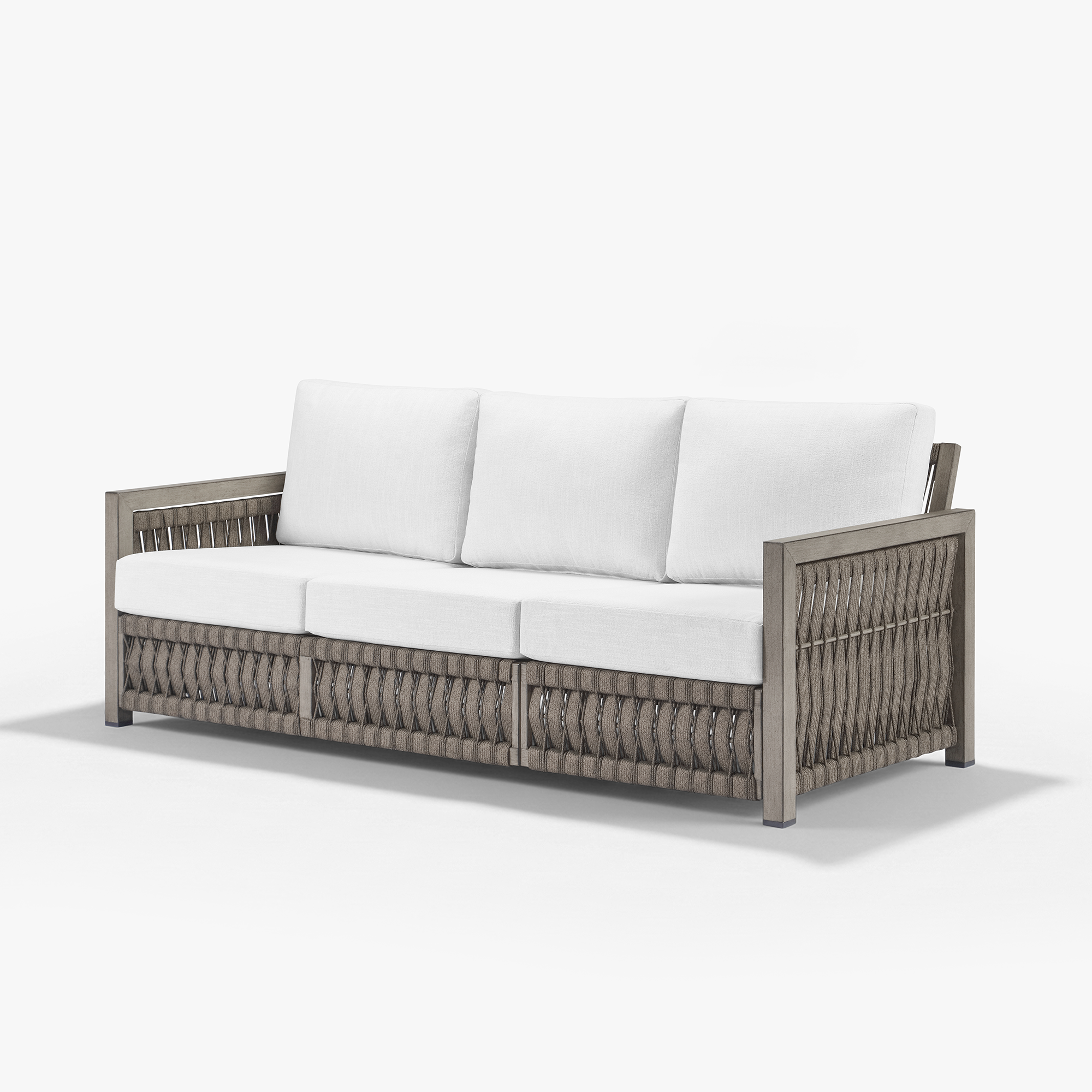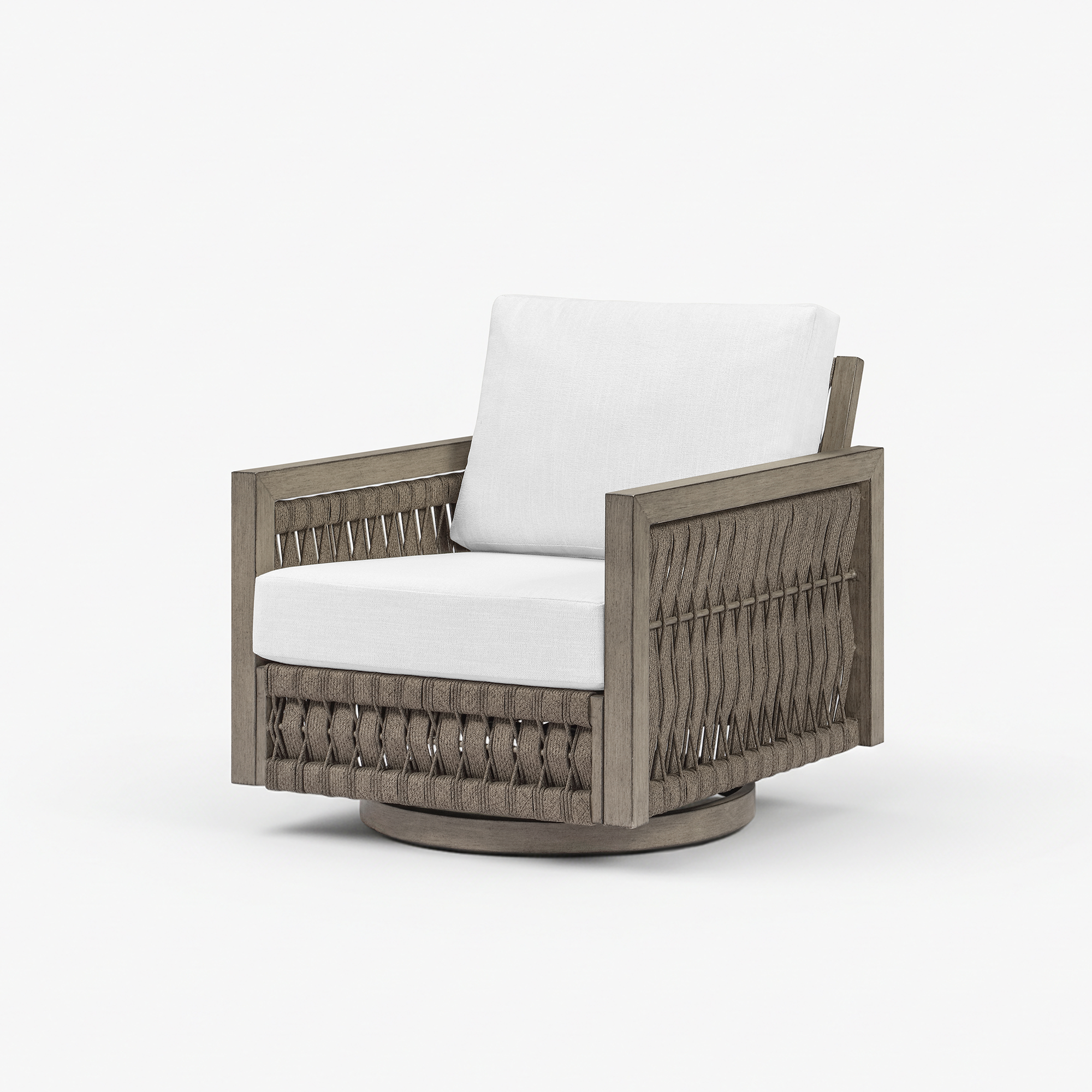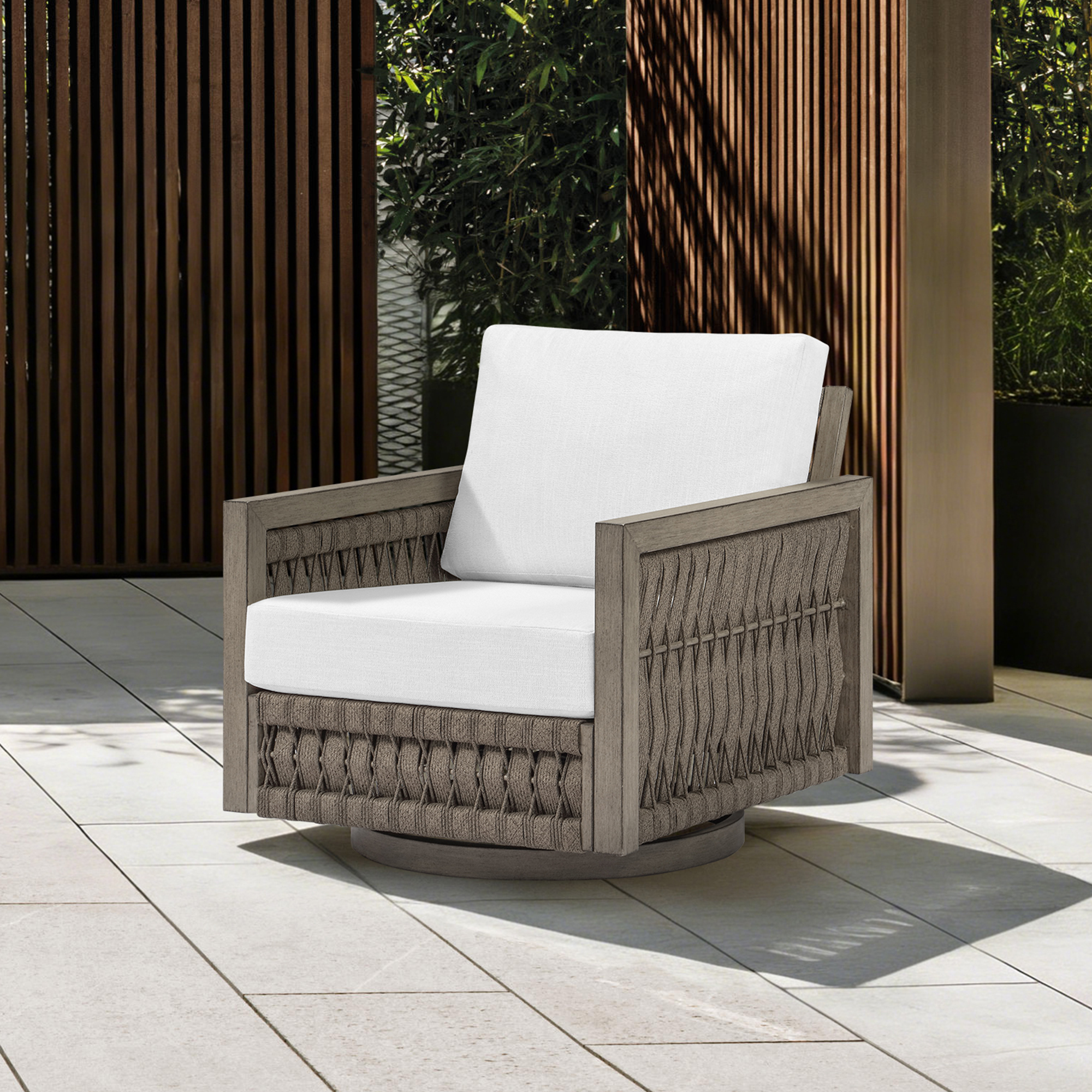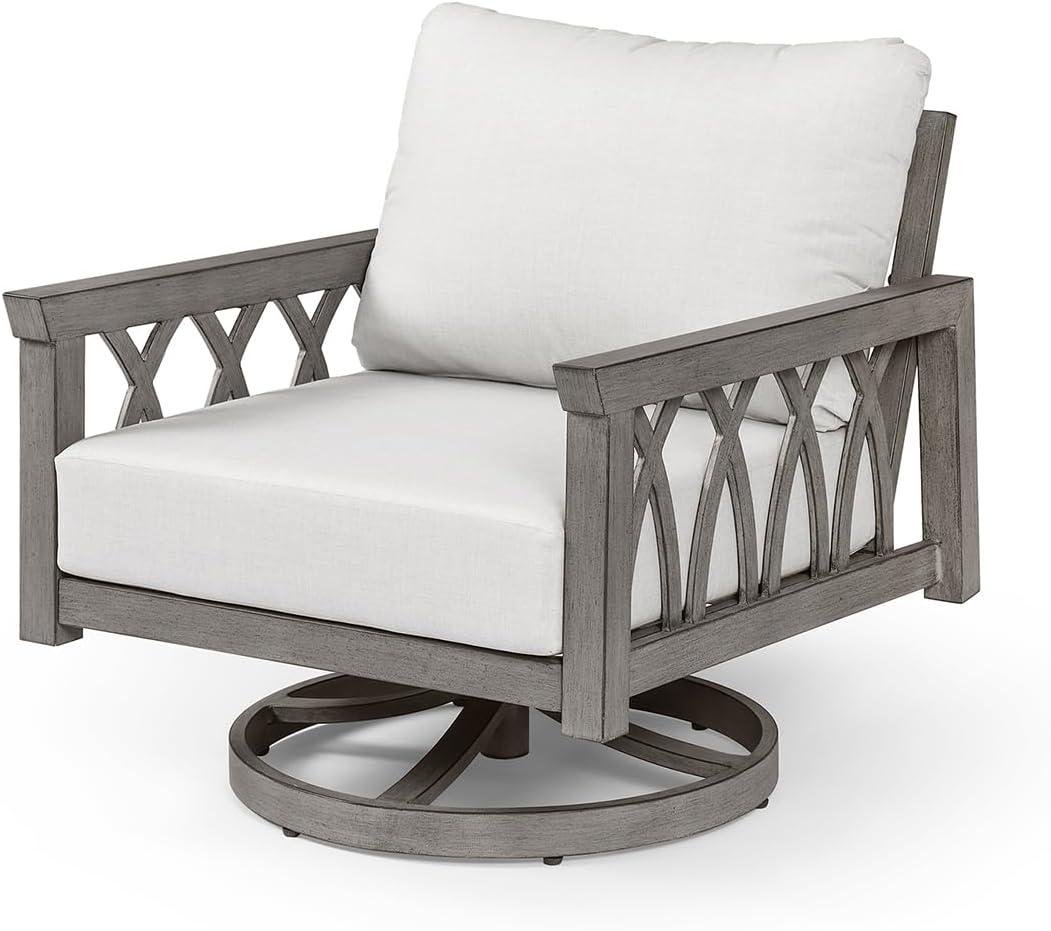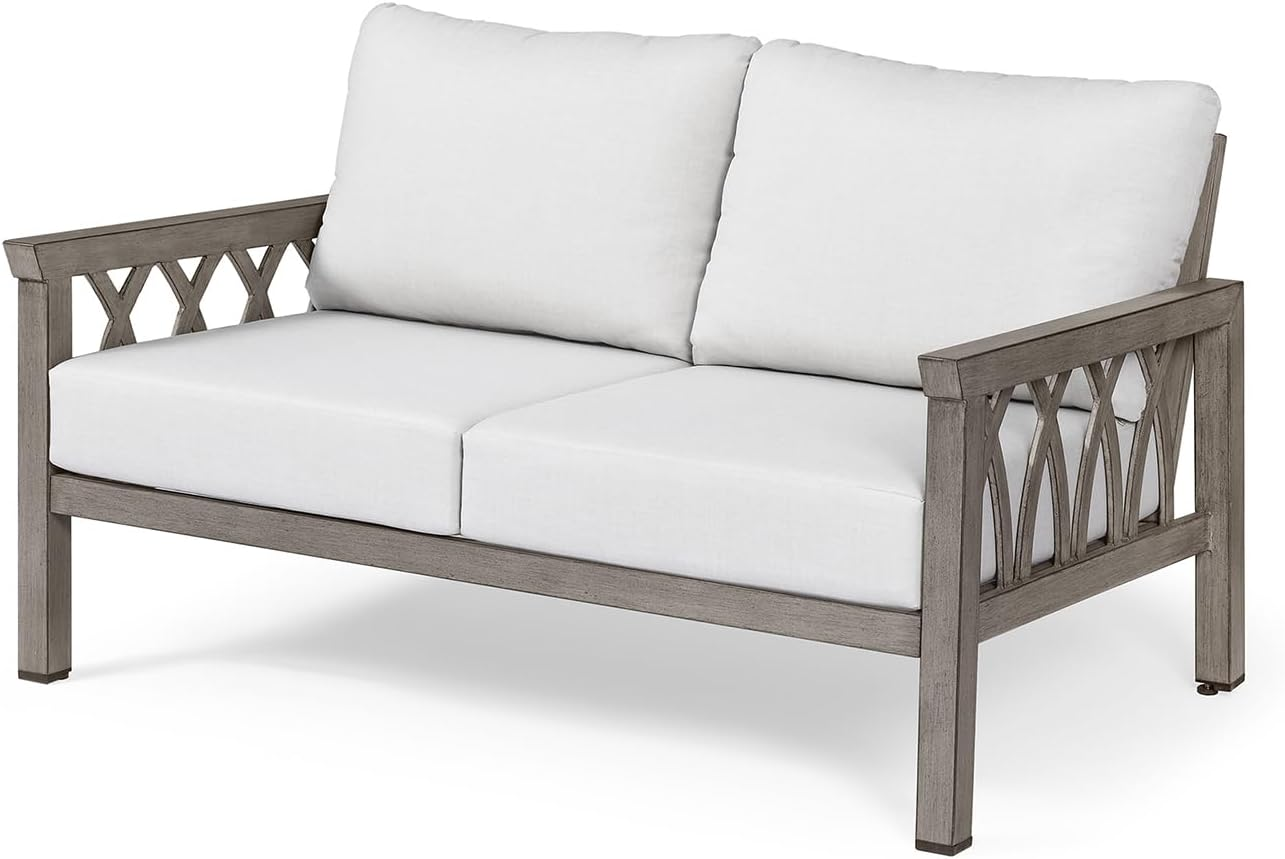
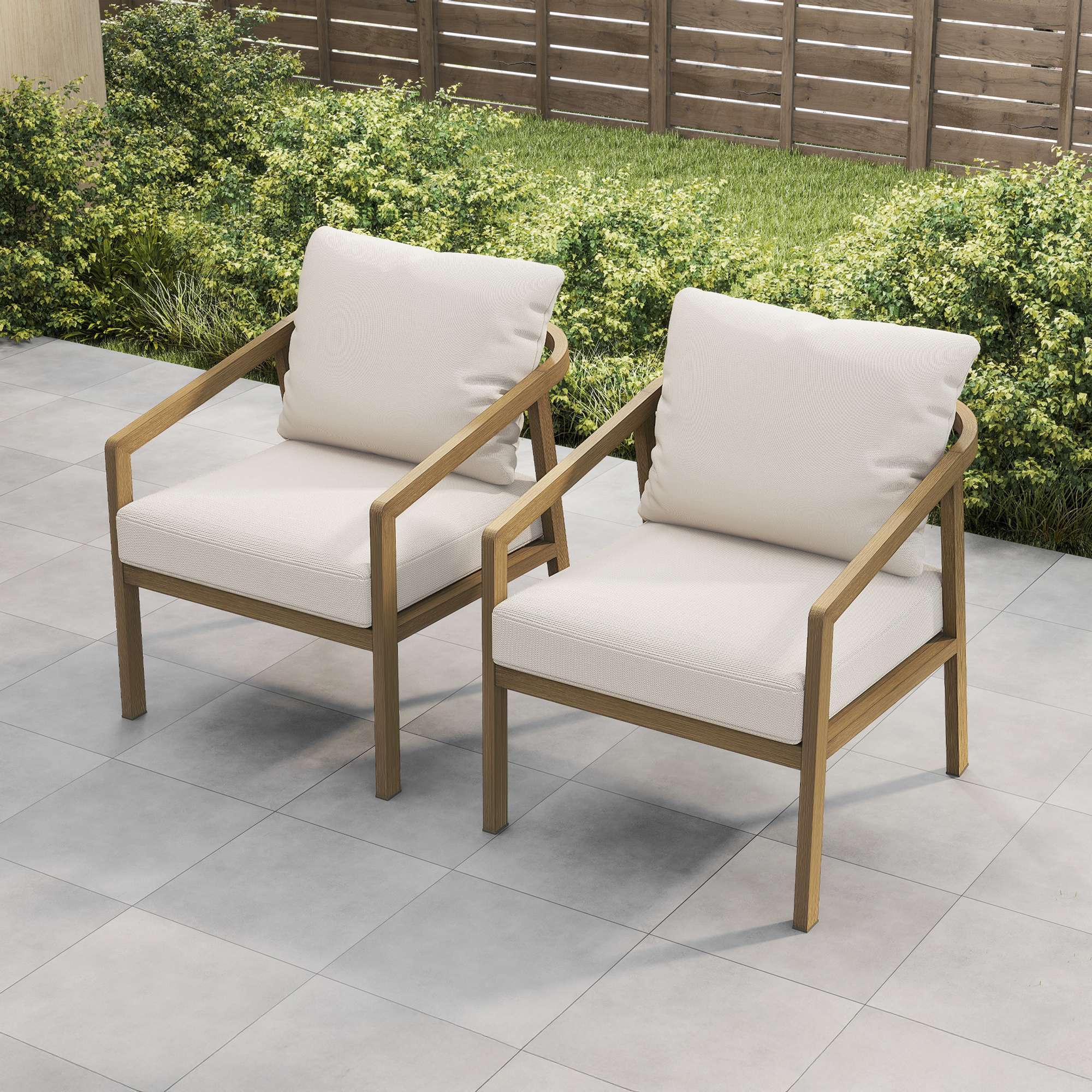
Creating a cozy retreat requires finding comfortable outdoor sofas for backyard spaces that balance ergonomic support with material softness. Most homeowners prioritize aesthetics but often regret buying stiff, unyielding furniture that lacks proper cushioning for long afternoons. A truly inviting lounge area depends on how the seat depth and backrest angle accommodate your unique resting habits. You should look for pieces that offer a "sink-in" feeling without losing the structural integrity needed for posture. High-quality outdoor upholstery must remain soft to the touch while resisting the harsh effects of environmental exposure daily. Choosing the right density ensures your investment provides the same relaxation levels as your favorite indoor living room furniture. Quality seating transforms an empty patio into a functional extension of your home throughout the warmer seasons.
Choosing the Right Cushion Firmness for Your Resting Habits
Every person has a specific lounging style that dictates the ideal level of foam firmness and seat support. If you prefer sitting upright to read, select high-resilience foam that provides firm resistance against your lower back. Those who enjoy afternoon naps should prioritize multi-layered cushions with a soft topper for a plush, cloud-like experience. Comfortable outdoor sofas for backyard use often feature open-cell foam to prevent moisture buildup and maintain consistent rebound performance. This specialized material allows air to circulate, ensuring the seat remains cool and dry even during humid summer days. You must test the "bounce-back" capability of the cushions to ensure they will not flatten over time. Personalized comfort is the primary driver of a successful and frequently used outdoor living space.
Enhancing the Lounge Experience with Curved Armrests and Adjustability
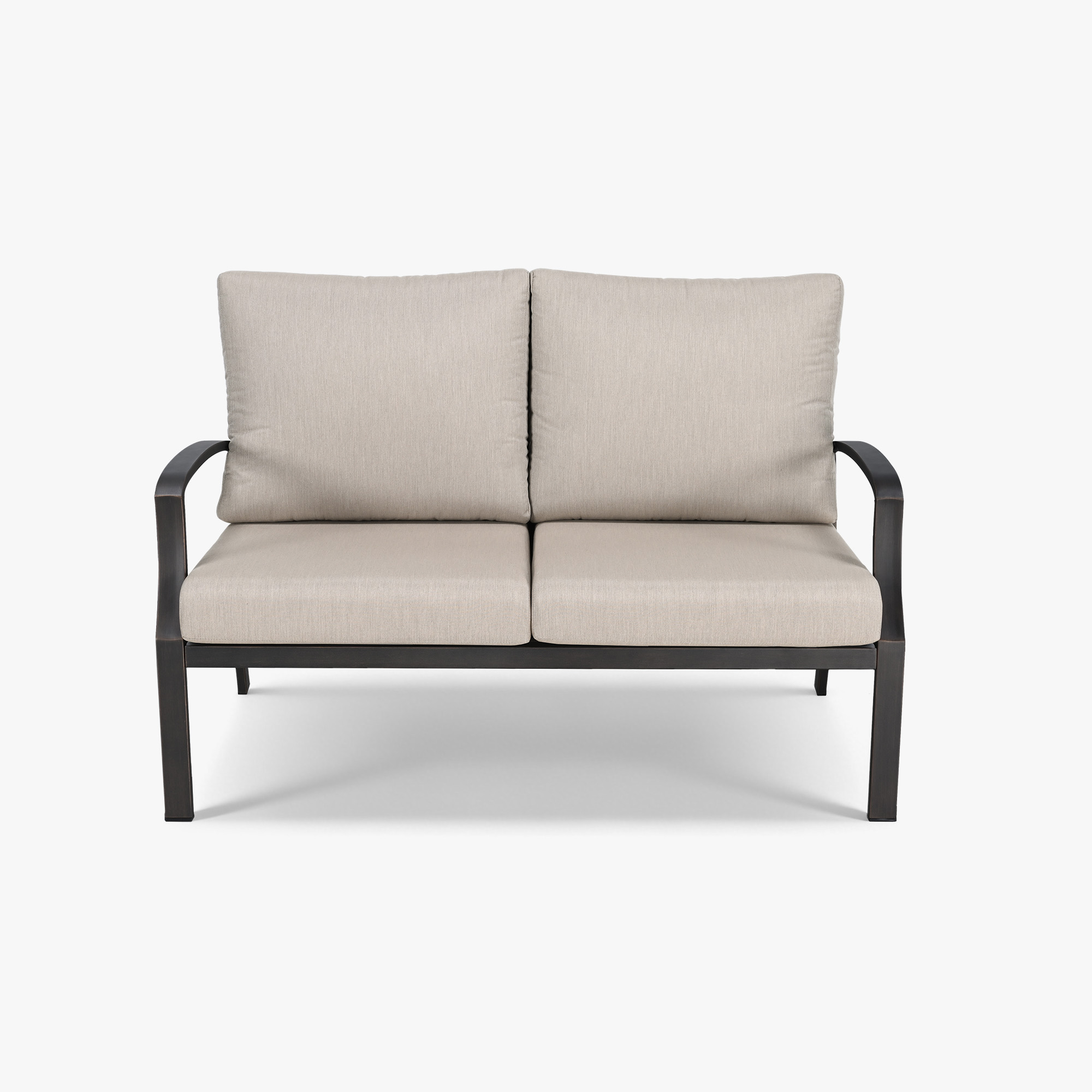
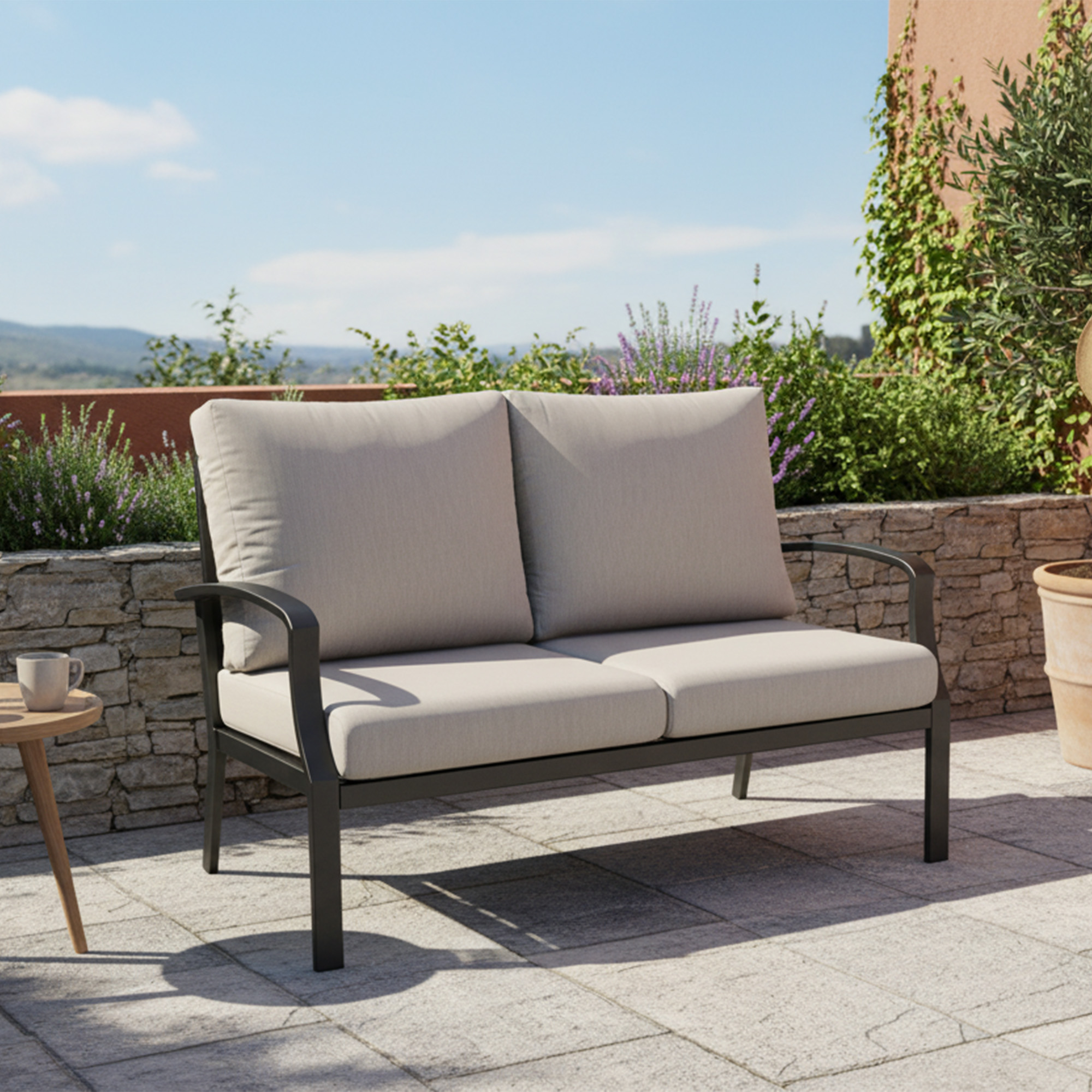
The physical shape of the sofa frame plays a significant role in how comfortable the piece feels during use. Curved armrests are particularly effective for supporting the neck and head during short naps or while reclining with a book. These organic shapes eliminate sharp edges that can cause discomfort during extended periods of sitting on the patio. Some modern designs also include adjustable sunshade attachments to block direct sunlight from hitting your eyes or skin. This feature allows you to maintain a cool temperature without needing to move the entire heavy furniture set. Ergonomic design choices ensure that the furniture works with your body rather than against it during relaxation. Focusing on these structural details provides a superior experience compared to standard, rigid garden benches or chairs.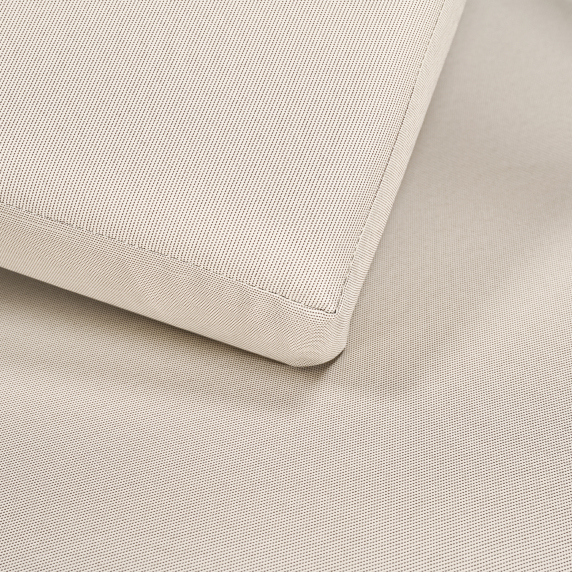
Strategic Comparison of Comfort Features for Backyard Seating
| Comfort Element | Standard Outdoor Sofa | Premium Comfortable Sofa |
|---|---|---|
| Cushion Filling | Single-layer polyester fiber | Multi-layer high-resilience foam |
| Armrest Design | Straight and narrow metal | Wide, curved, and padded |
| Fabric Texture | Rough, plastic-like canvas | Breathable, soft-touch acrylic |
| Adjustability | Fixed backrest position | Reclining or modular options |
Why Cooling and Easy-Clean Fabrics Are Essential for Summer
The texture and temperature of the fabric determine if you will actually enjoy sitting outside during a heatwave. High-performance comfortable outdoor sofas for backyard environments utilize cooling fabrics that do not absorb excess heat from the sun. These materials remain pleasant against bare skin, preventing the "sticky" sensation often associated with cheap vinyl or treated polyester. Breathable weaves allow heat to escape from the cushion, keeping the seating surface significantly cooler than the surrounding air. You should also ensure the fabric is easy to clean to handle spills from backyard barbecues or poolside drinks. Removable and machine-washable covers make it simple to maintain a fresh and inviting environment for your guests. Quality textiles are a hallmark of professional outdoor furniture engineering and long-term user satisfaction.
Smart Layout Strategies to Avoid Direct Midday Sunlight
Even the plushest sofa feels uncomfortable if it sits under the scorching midday sun without any proper protection. You should plan your backyard layout to utilize natural shade from trees or the shadow of your house. Positioning your lounge area in a North-facing direction often provides the most consistent shade throughout the peak afternoon hours. If natural shade is unavailable, consider adding a cantilever umbrella or a retractable pergola to provide the necessary cooling. Avoiding direct solar radiation prevents the fabric from becoming too hot to touch and protects the foam from degrading. A thoughtful layout ensures that your seating area remains a comfortable sanctuary even during the hottest parts of the day. Strategic placement is just as important as the physical quality of the furniture you choose.
-
Add breathable throw blankets during summer evenings to provide a soft layer against the breeze.
-
Utilize windproof screens or tall planters during seasonal transitions to maintain a cozy micro-climate.
-
Incorporate oversized outdoor pillows to allow for modular support while lounging in different positions.
-
Choose light-colored fabrics like beige or light gray to reflect sunlight and keep the surface cool.
Adapting Your Seating Area for Changing Seasonal Weather
The list provided outlines practical ways to maintain high comfort levels as the weather begins to shift during autumn. Breathable blankets add a touch of luxury and warmth during crisp evenings when the temperature starts to drop significantly. Windproof screens are essential for blocking chilly drafts that can make an outdoor space feel uninviting during the spring. Oversized pillows provide the flexibility to adjust your posture, which is vital for preventing stiffness during long social gatherings. Using light-colored fabrics helps the furniture stay cool during the summer while providing a bright, airy aesthetic. These simple additions ensure that your backyard remains a functional and comfortable destination for more months of the year. Consistency in these accessory choices reflects a mature and well-organized approach to outdoor living design.
The Importance of Seat Depth and Backrest Angle for Support
Proper ergonomics are often overlooked in outdoor furniture, leading to back pain after only an hour of use. A comfortable outdoor sofas for backyard setup should feature a seat depth that allows your feet to rest flat. The backrest should have a slight backward tilt of about fifteen degrees to encourage a relaxed but supported posture. This angle distributes your body weight evenly across the cushions, reducing pressure on the spine and seat bones. Modular designs allow you to rearrange the sections to create a deep "daybed" for maximum relaxation when desired. High-quality frames provide the necessary rigidity to support these angles without sagging over years of frequent and heavy use. Investing in correct proportions ensures your patio furniture provides legitimate physical relief after a long workday.
Managing Moisture and Humidity for Long-Lasting Softness
Hidden moisture is the primary enemy of comfort, as it leads to mold growth and a damp feeling. Modern all-weather sofas use specialized moisture-wicking liners to protect the internal foam from rain and heavy morning dew. Ensuring your sofa has adequate airflow underneath through elevated legs helps prevent the "musty" smell associated with damp furniture. You should look for cushions that feature mesh bottom panels to allow water to drain out quickly. This keeps the internal structure dry and ensures the cushions remain soft and bouncy rather than becoming heavy or waterlogged. Proper humidity management protects the integrity of the materials and ensures a healthy environment for your family to enjoy. Dry cushions are significantly more comfortable and last much longer than those that trap internal moisture.
Final Recommendations for Your Backyard Comfort Strategy
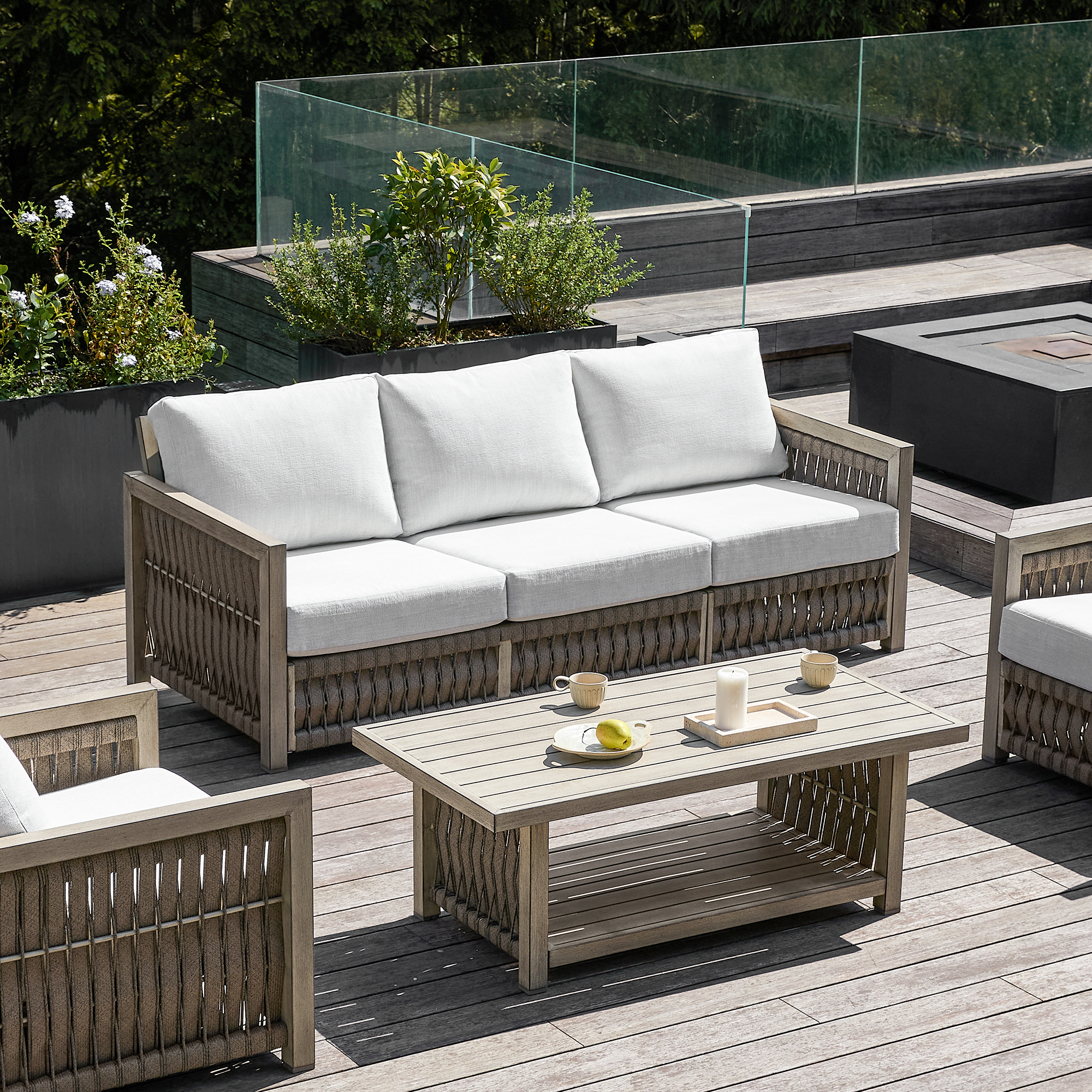
Selecting comfortable outdoor sofas for backyard use is an investment in your personal well-being and home enjoyment. You should prioritize high-resilience, multi-layer foam that matches your specific sitting or lying habits for the best results. Cooling, breathable fabrics and curved armrests provide the tactile comfort needed for long-term relaxation in a garden setting. Remember to plan your layout to avoid direct midday sun and use seasonal accessories to extend your outdoor time. A modular design with adjustable features offers the most flexibility for different social occasions and changing family needs. By focusing on these ergonomic and material details, you transform a basic backyard into a true luxury retreat. Start your journey toward ultimate outdoor comfort by choosing a sofa designed for the human body today.
FAQ
How do I know if the seat depth is correct for my height?
The ideal seat depth should allow you to sit with your back against the cushion while leaving a small gap. There should be about two to three inches of space between the edge of the seat and your knees. If the seat is too deep, your feet will dangle, which can cause poor circulation and lower back pain. If it is too shallow, your thighs will not have enough support, making the sofa feel unstable or small. Testing different depths is the best way to ensure the sofa fits your specific body proportions comfortably.
What is the difference between acrylic and polyester fabrics for comfort?
Acrylic fabrics like Sunbrella are generally considered superior for comfort because they are solution-dyed and have a softer feel. They are highly breathable and do not get as hot when sitting in the direct sun for long hours. Polyester is often cheaper but can feel "plastic-like" or rough against the skin, especially during hot and humid summer days. Polyester also tends to fade much faster and can lose its softness after only one or two seasons. For the best long-term comfort and a premium feel, investing in high-quality acrylic or olefin fabrics is highly recommended.
How can I make my existing outdoor sofa more comfortable without buying new?
You can significantly improve comfort by replacing old, flattened cushions with new high-density foam inserts from a local shop. Adding a variety of outdoor-rated throw pillows can also provide extra lumbar support where the original frame might be lacking. If the fabric feels rough, consider using a soft outdoor-rated throw blanket as a temporary layer for a smoother touch. Ensure the sofa is level on your patio, as an uneven base can cause the frame to feel unstable. These simple upgrades can breathe new life into an older set and save you significant replacement costs.
.jpg?w=1600&h=1600)