Everyday Patio Comfort Starts With Thoughtful Armchair Design
Patio seating plays a central role in daily outdoor routines. Families gather for conversation, reading, and casual relaxation. Standard chairs often lack the support required for extended comfort. Outdoor armchairs for patio seating address this gap through ergonomic structure and material refinement. A well-designed armchair supports the body naturally without forcing rigid posture. Comfort increases when seating feels stable, balanced, and inviting. Patios become functional living extensions when furniture supports everyday use rather than occasional seating. Armchairs designed for real outdoor habits encourage longer conversations and more frequent outdoor breaks.
Wide Armrests Improve Relaxation And Practical Use
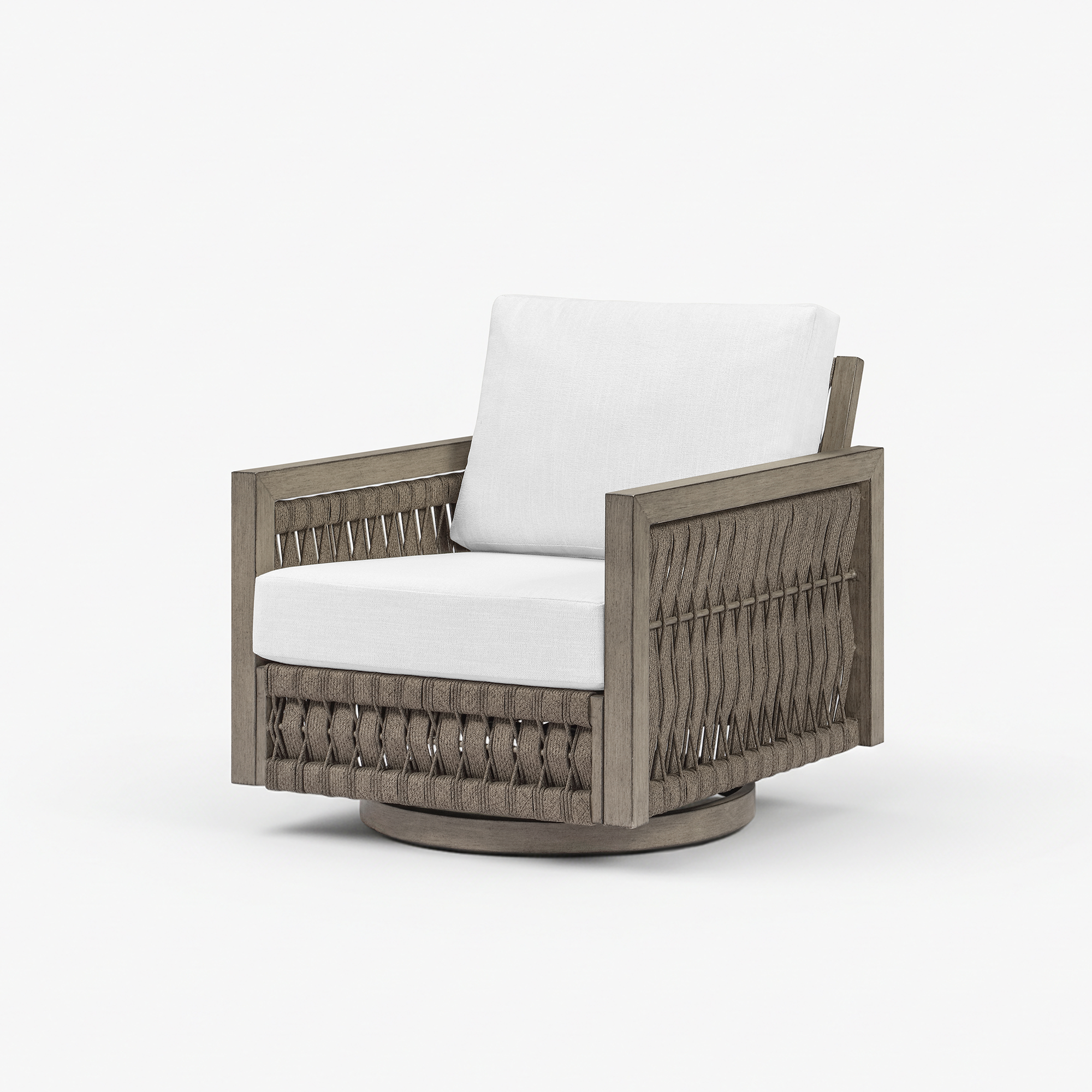
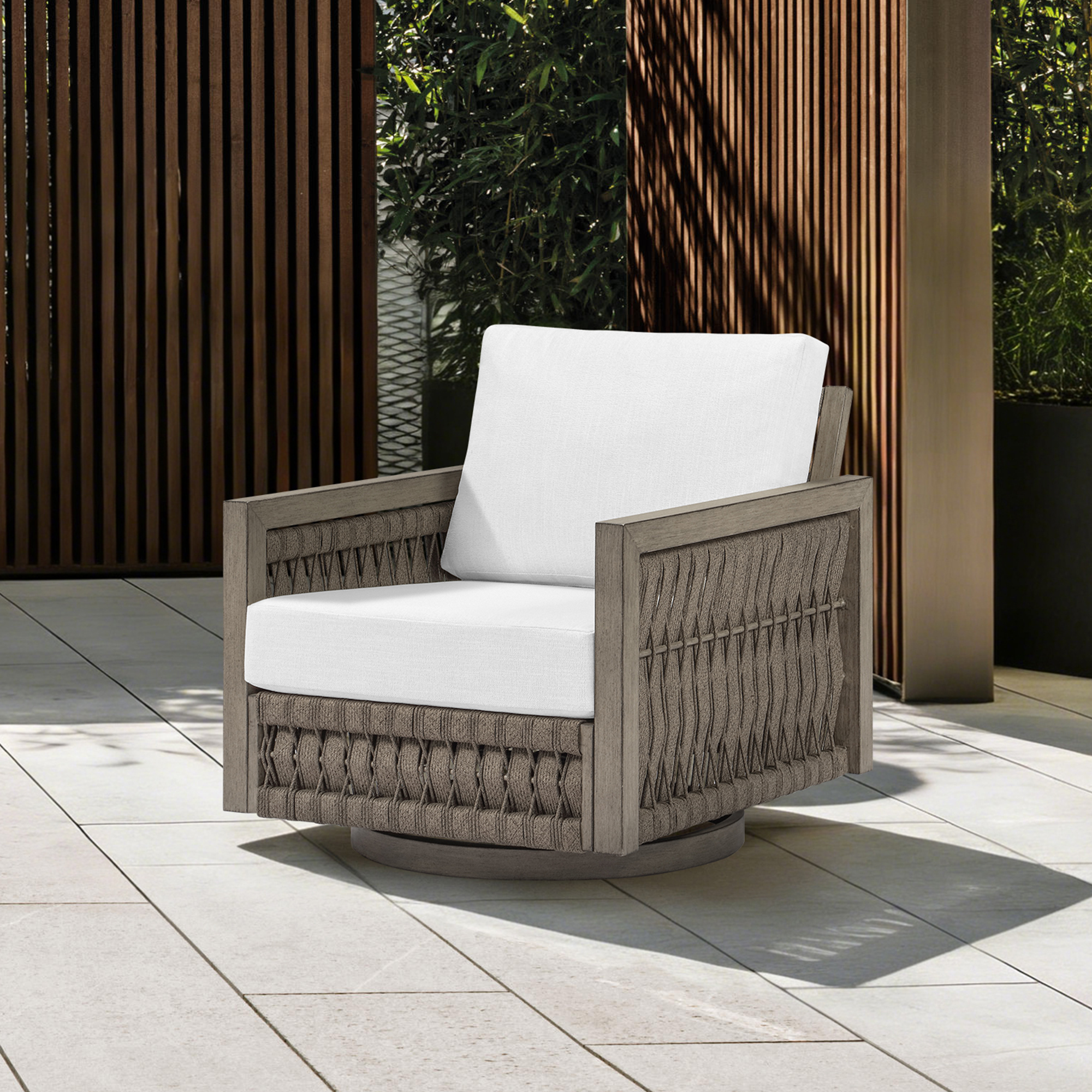
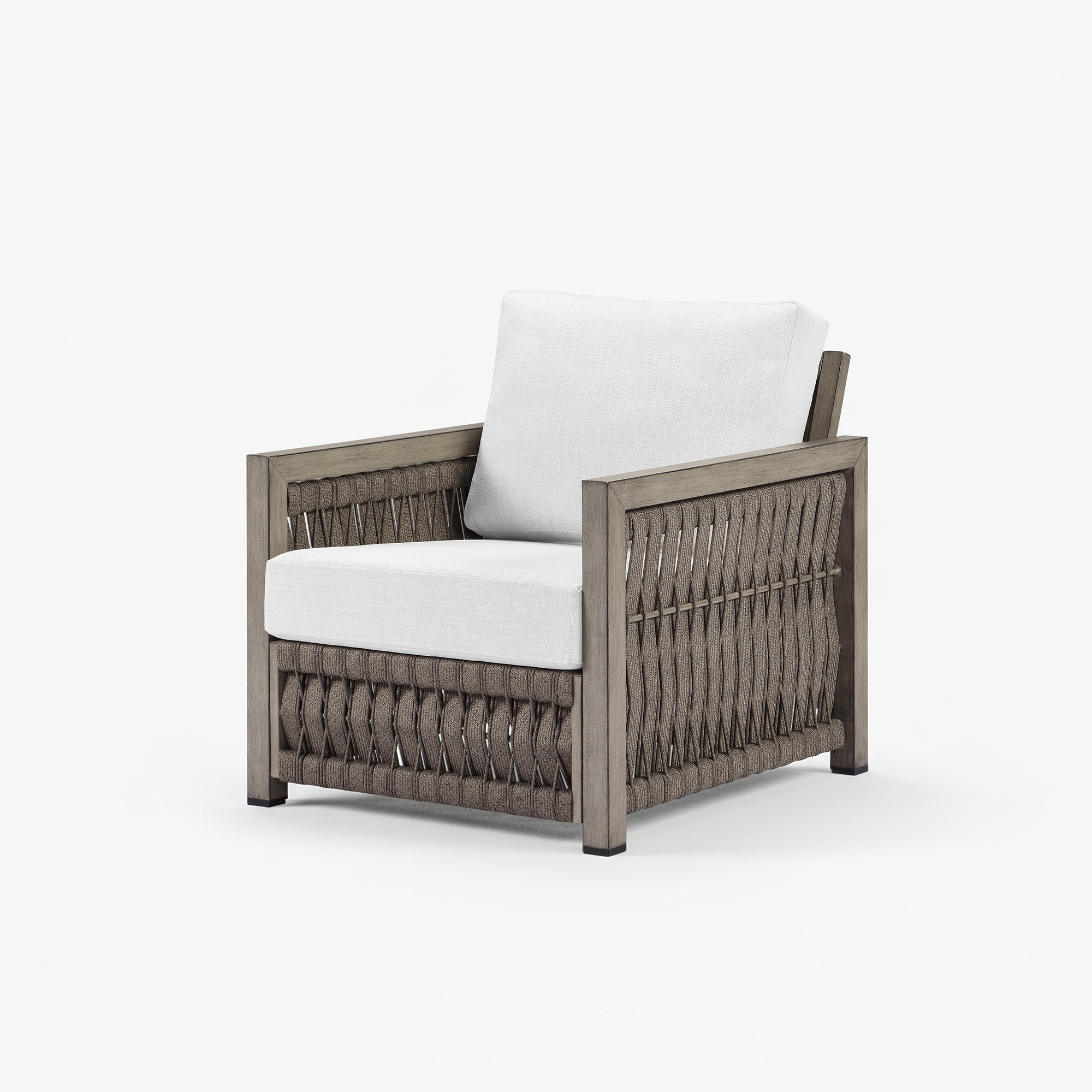
Armrests define much of the seating experience. Narrow or sharp-edged supports can create discomfort during extended sitting. Outdoor armchairs for patio seating often feature wide armrests that allow natural arm placement. Broader surfaces reduce shoulder tension and wrist strain. Wide armrests also provide practical space for drinks, books, or mobile devices. This reduces reliance on additional side tables. Rounded edges further enhance comfort by eliminating pressure points. When armrests feel supportive and smooth, users relax more easily. Over time, this design detail contributes significantly to overall patio comfort.
Rounded Corners And Soft-Touch Materials Enhance Safety And Feel
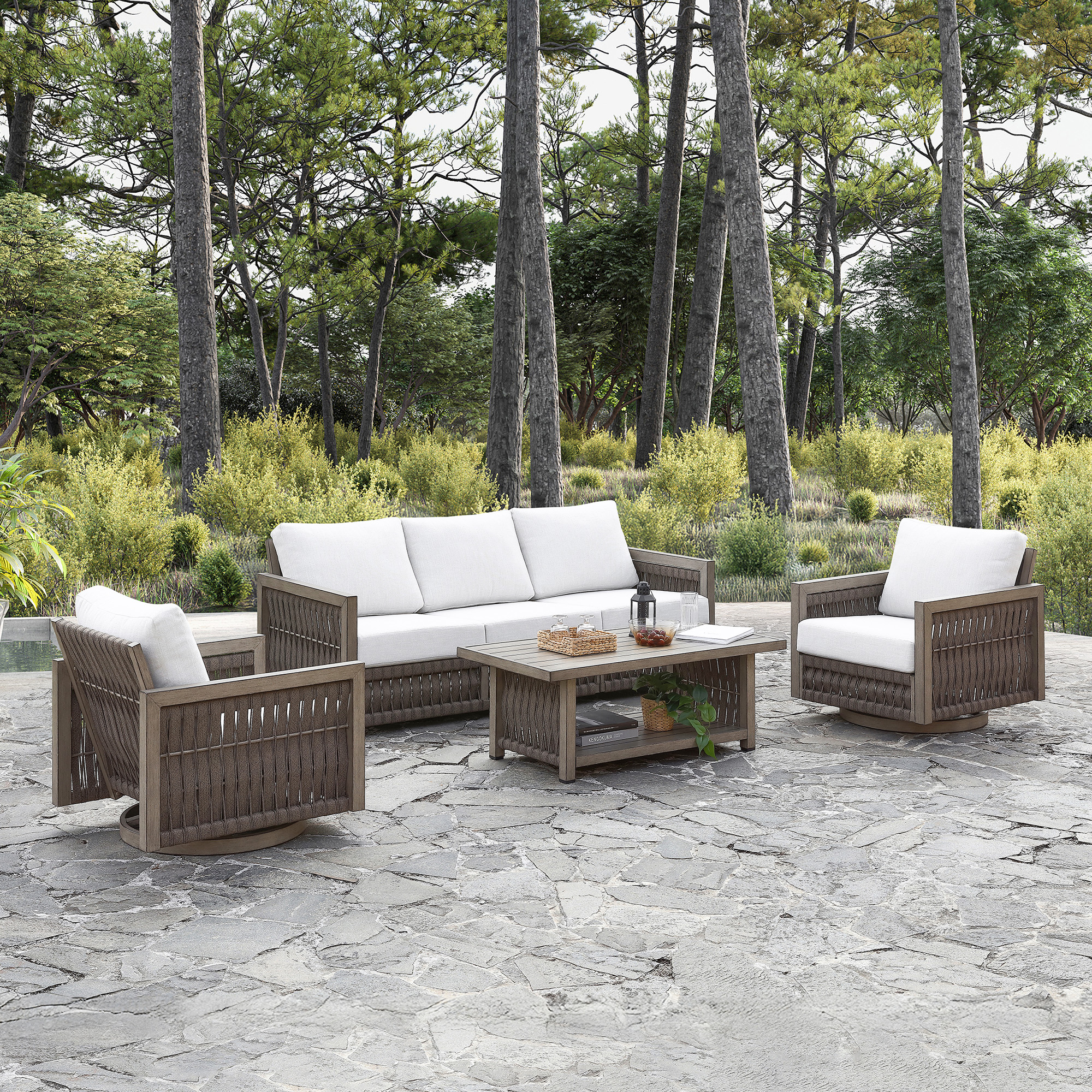
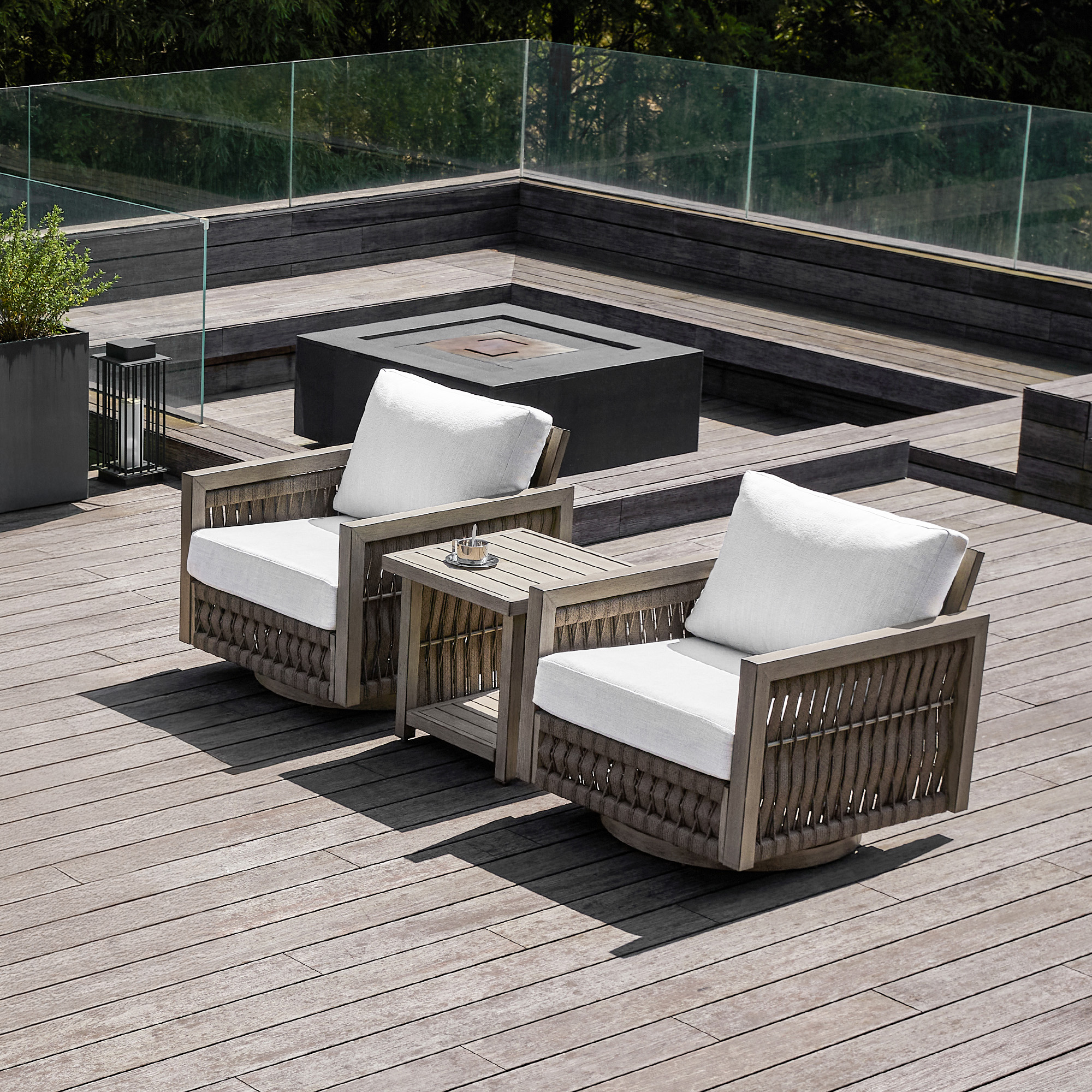
Outdoor furniture frequently interacts with movement and activity. Rounded chair corners reduce accidental bumps and discomfort. This design element becomes especially important in family settings. Outdoor armchairs for patio seating benefit from softened edges that promote safety without sacrificing style. Soft-touch materials improve tactile comfort during daily use. Powder-coated finishes with matte texture reduce glare and feel warmer than bare metal surfaces. Rope-wrapped or fabric-covered arm sections add grip and visual warmth. These subtle design choices create a welcoming seating experience that encourages longer outdoor stays.
Foam Density Between 1.8 And 2.2 Balances Support And Elasticity
Seat cushioning significantly influences long-term comfort. Foam density between 1.8 and 2.2 pounds per cubic foot offers an effective balance between support and flexibility. Outdoor armchairs for patio seating often use this density range to prevent excessive sinking while maintaining softness. Lower-density foam may flatten quickly under daily use. Higher-density foam may feel overly firm. The 1.8–2.2 range supports posture while preserving bounce and resilience. This balance allows users to sit comfortably for extended conversations or casual meals. Proper foam selection ensures that cushions maintain shape over time.
Rope-Wrapped Frames Add Grip And Textural Depth
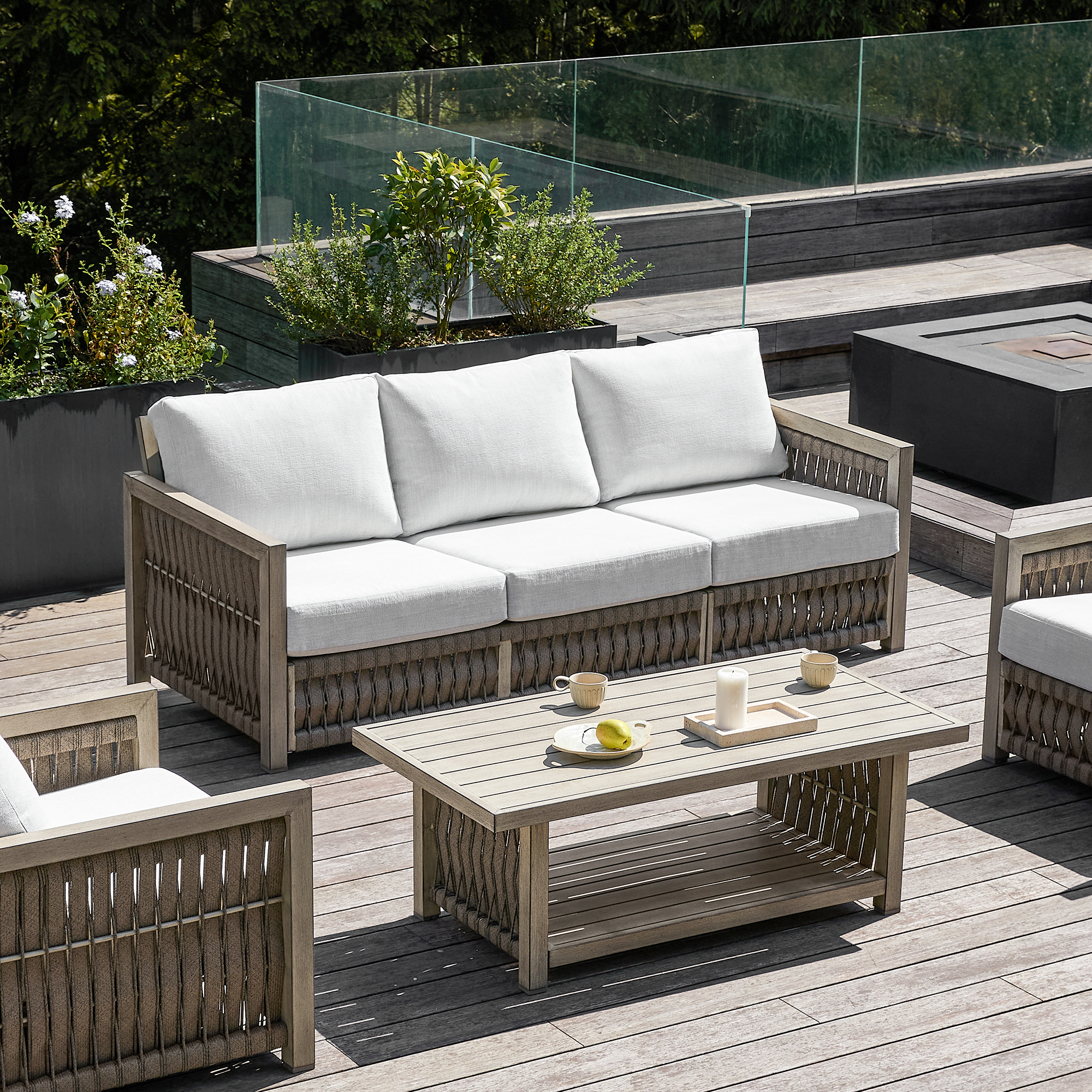
Modern outdoor armchairs increasingly incorporate woven rope details. Rope wrapping enhances grip and tactile comfort. Outdoor armchairs for patio seating with rope-covered frames feel warmer and more refined than exposed metal designs. Woven materials also introduce subtle visual texture that complements outdoor environments. High-quality synthetic rope resists moisture and UV exposure. This ensures long-term durability while maintaining appearance. Rope wrapping enhances both aesthetic value and user interaction. The improved grip makes armrests feel secure without being rigid. This blend of comfort and style supports everyday outdoor use.
Seat Tilt Between Eight And Twelve Degrees Encourages Relaxed Posture
Ergonomic seat angle plays a crucial role in comfort. Outdoor armchairs for patio seating often incorporate a seat tilt between eight and twelve degrees. This angle allows the body to settle naturally into the chair. A slight backward incline reduces pressure on the lower back and hips. Users feel supported without sliding forward. Over time, this angle encourages relaxed posture during extended sitting. Upright dining chairs may feel rigid after long conversations. Armchairs with thoughtful tilt design create a more restful experience. Proper seat geometry transforms simple seating into genuine relaxation.
Modular Designs Allow Flexible Patio Arrangements
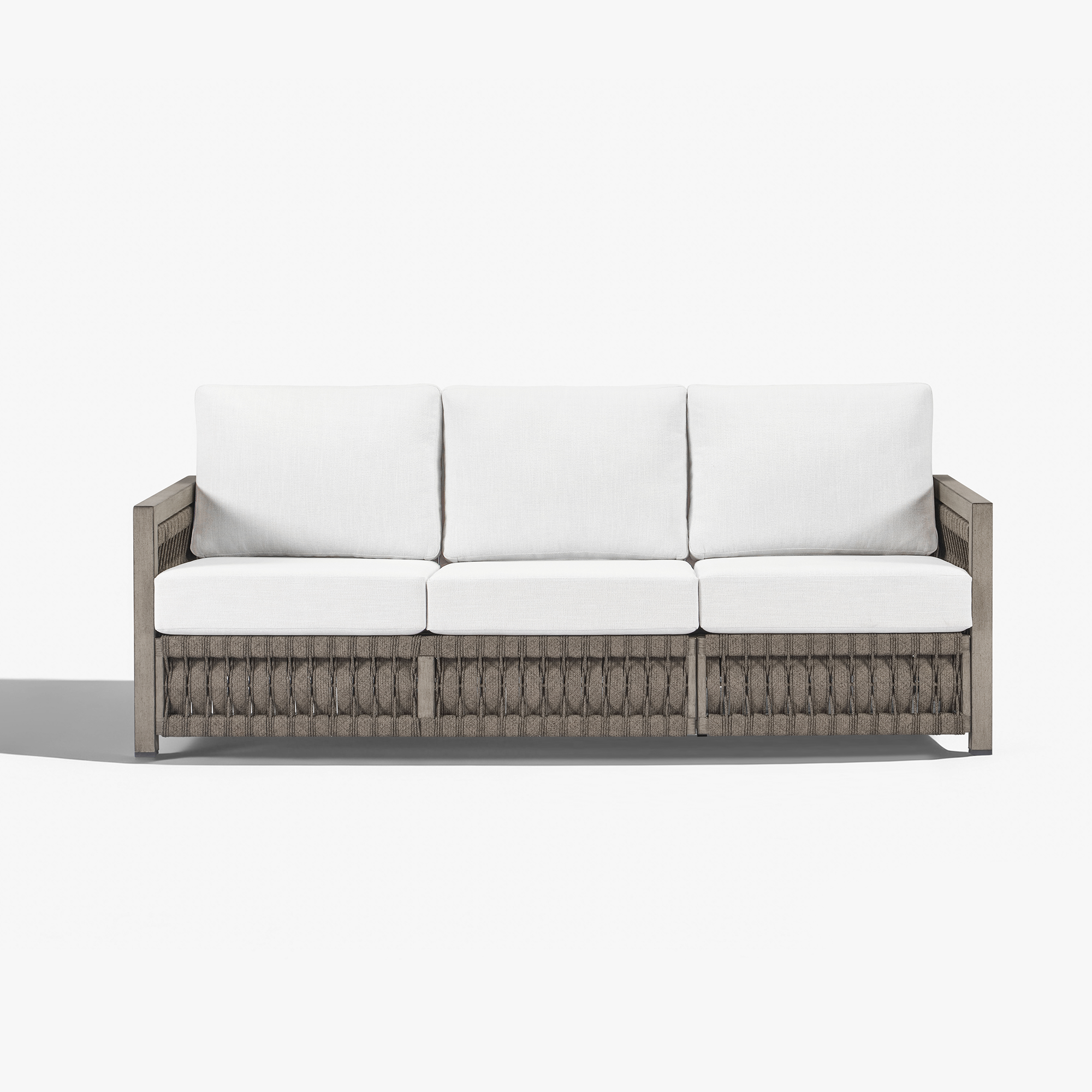
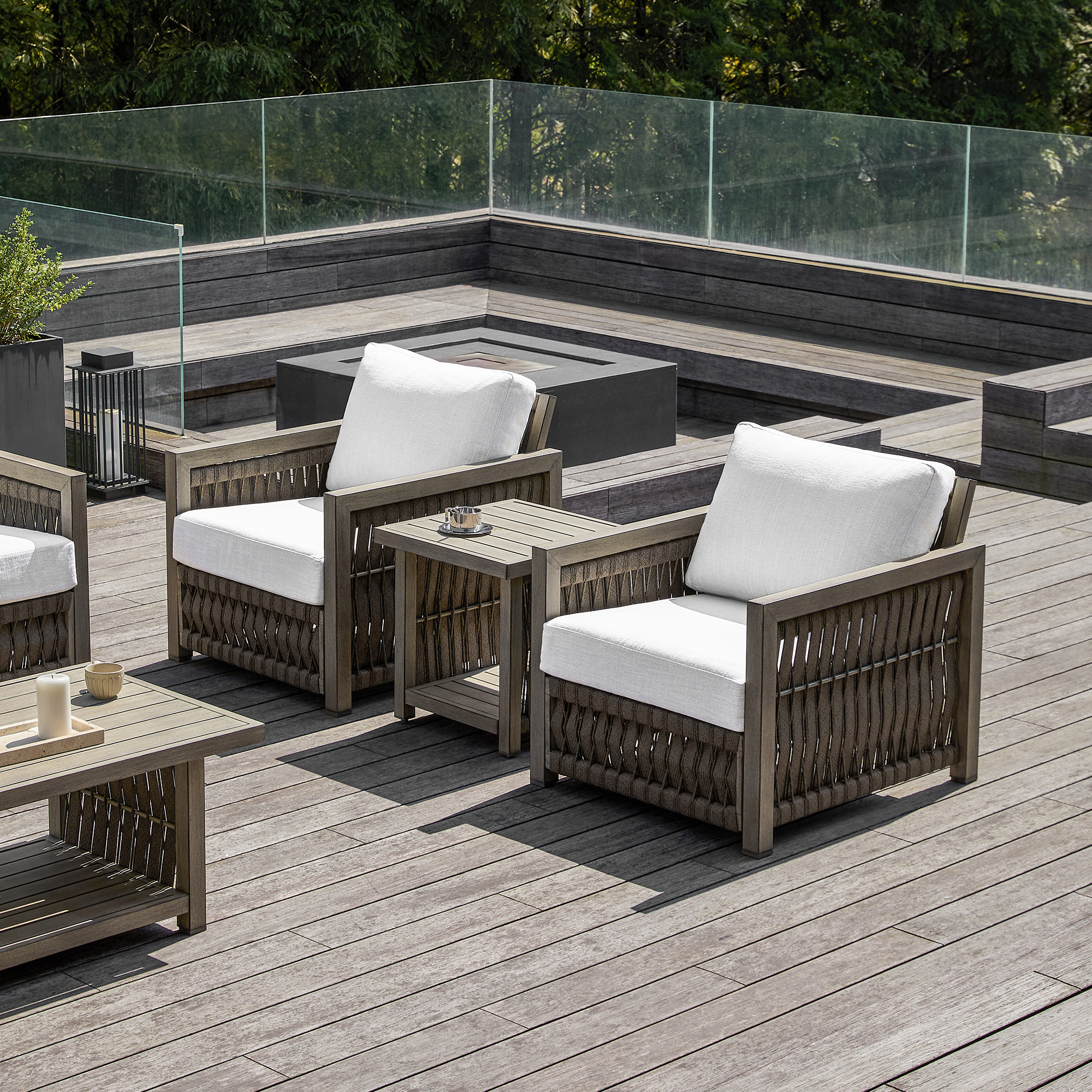
Patio layouts often evolve over time. Modular outdoor armchairs allow homeowners to expand seating without replacing entire sets. Outdoor armchairs for patio seating designed with modular compatibility support sectional configurations. This flexibility suits gatherings of varying sizes. Chairs can function independently or connect with sofas and corner units. Modular systems simplify rearranging patio spaces for events or seasonal changes. Adaptable seating solutions extend furniture lifespan. Owners avoid replacing pieces when needs grow. Modular armchairs enhance long-term usability and comfort across different patio layouts.
Non-Slip Foot Pads Protect Floors And Improve Stability
Patio surfaces range from tile and wood to stone and composite decking. Non-slip foot pads help protect these materials from scratches. Outdoor armchairs for patio seating benefit from durable foot pads that reduce friction damage. Pads also enhance stability on smooth surfaces. Users experience less wobbling during movement. Noise reduction is another advantage of protective pads. Chairs slide more quietly when repositioned. This small feature significantly improves daily use experience. Stable and floor-friendly armchairs support both comfort and patio preservation.
Comparison Table: Key Comfort Features And Their Benefits
| Feature | Comfort Benefit | Daily Use Impact |
|---|---|---|
| Wide Armrests | Reduced Shoulder Strain | Improved Relaxation |
| Foam Density 1.8–2.2 | Balanced Support | Long-Lasting Cushion Shape |
| 8–12 Degree Seat Tilt | Natural Recline | Lower Back Relief |
| Rope-Wrapped Frame | Enhanced Grip | Improved Tactile Comfort |
| Non-Slip Foot Pads | Surface Protection | Stable Seating |
This comparison highlights how individual design elements contribute to a complete comfort system. Each feature supports a specific aspect of daily patio seating. Together they create a cohesive and supportive seating experience.
Everyday Use Reveals The Importance Of Integrated Comfort
Comfort becomes more noticeable during daily use rather than occasional seating. Outdoor armchairs for patio seating designed with ergonomic structure maintain performance over time. Wide armrests support relaxed conversations. Balanced foam prevents discomfort during extended sitting. Modular layouts accommodate changing social needs. Non-slip foot pads protect patio surfaces from wear. These integrated features work together to simplify daily outdoor routines. Armchairs that prioritize comfort encourage consistent patio use. Over time, patios become preferred gathering areas because seating feels inviting and supportive.
Long-Term Comfort Depends On Material And Structural Choices
Selecting armchairs based solely on appearance often leads to dissatisfaction. Structural integrity and cushioning quality determine lasting comfort. Outdoor armchairs for patio seating built with durable frames and resilient foam maintain shape over years of use. Rope-wrapped elements resist weather exposure while preserving texture. Matte finishes reduce visible wear. Seat tilt geometry protects posture during extended sitting. These design considerations ensure long-term value. Comfortable armchairs enhance daily relaxation and improve overall patio enjoyment. Thoughtful construction transforms seating into a reliable comfort solution.
Frequently Asked Questions
What Makes Outdoor Armchairs For Patio Seating More Comfortable Than Standard Chairs?
Outdoor armchairs for patio seating provide superior comfort because they integrate ergonomic design with supportive materials. Wide armrests allow natural arm placement and reduce shoulder strain. Rounded corners improve safety and tactile experience. Foam density between 1.8 and 2.2 balances softness and structural support. Seat tilt between eight and twelve degrees encourages relaxed posture without sacrificing stability. These features work together to create a seating experience that supports extended conversations and daily use. Standard chairs often lack this combination of design details, resulting in shorter and less comfortable seating sessions.
How Does Foam Density Affect Long-Term Patio Seating Comfort?
Foam density directly influences cushion durability and seating support. Outdoor armchairs for patio seating using foam within the 1.8–2.2 density range provide consistent balance between resilience and softness. Lower densities may flatten under repeated use. Higher densities may feel rigid and reduce comfort. Balanced foam maintains shape while supporting body weight evenly. This prevents sagging and discomfort over time. Proper density ensures that cushions retain structure during daily patio use. Long-term seating comfort depends on foam quality rather than surface appearance alone.
Are Modular Outdoor Armchairs Practical For Changing Patio Layouts?
Modular outdoor armchairs for patio seating offer flexibility that traditional fixed sets cannot match. Modular designs allow homeowners to expand or rearrange seating as needs change. Individual armchairs can connect with sectional components or stand alone. This adaptability supports gatherings of varying sizes. Modular systems reduce the need for complete furniture replacement when expanding seating capacity. Over time, flexible configurations enhance usability and extend product lifespan. Practical patio layouts depend on seating that adapts easily to evolving outdoor living needs.
.jpg?w=1600&h=1600)