
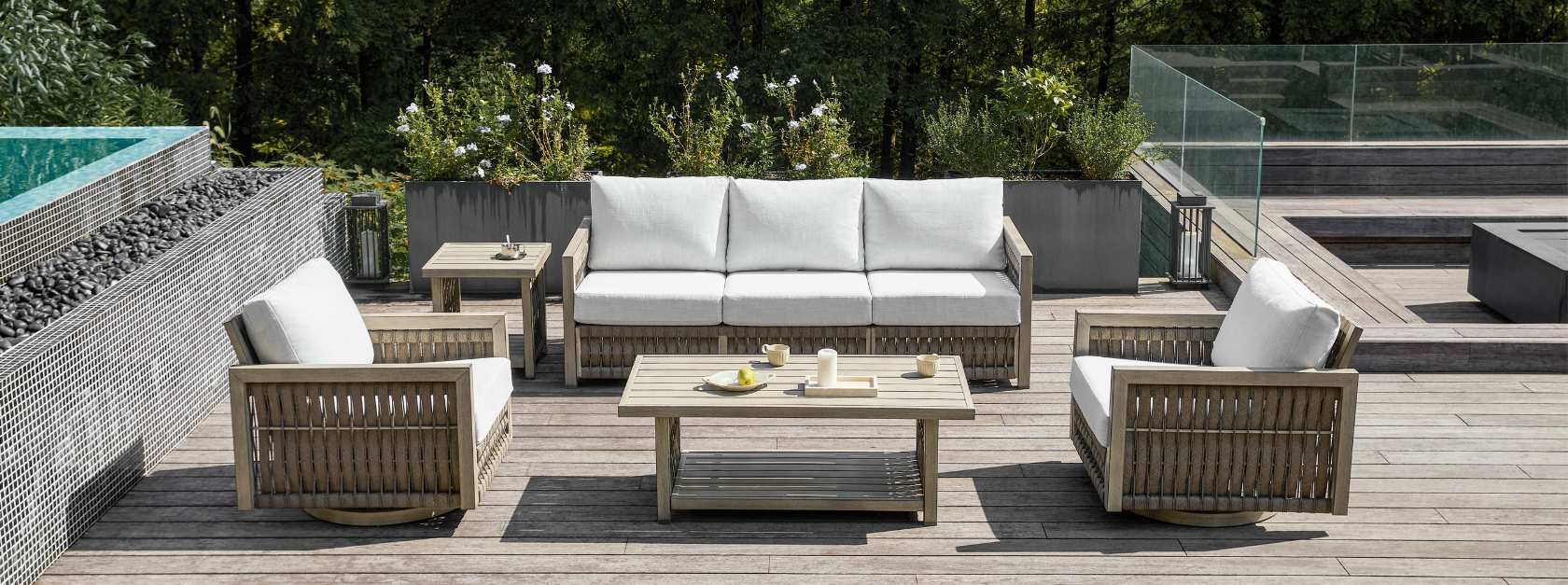
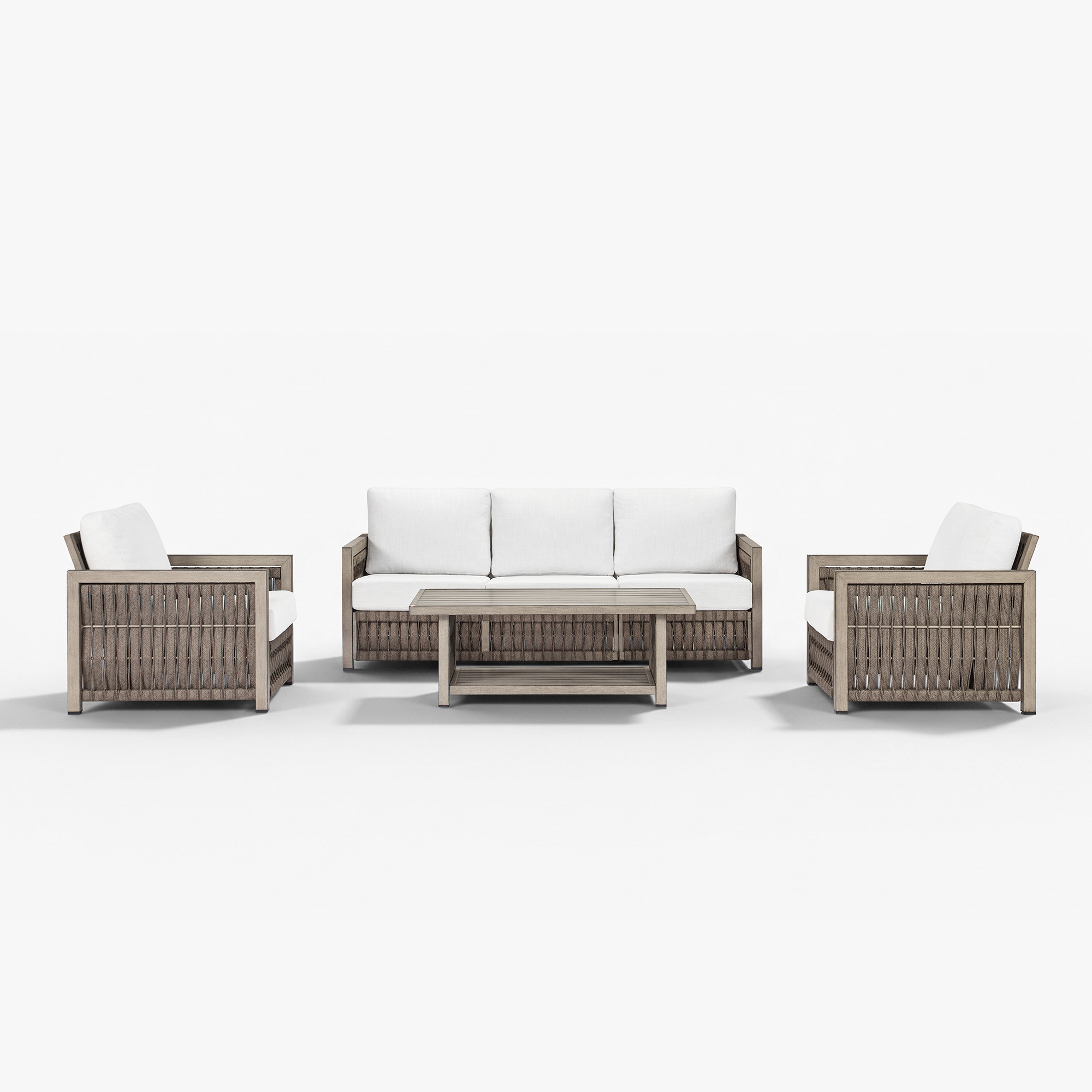
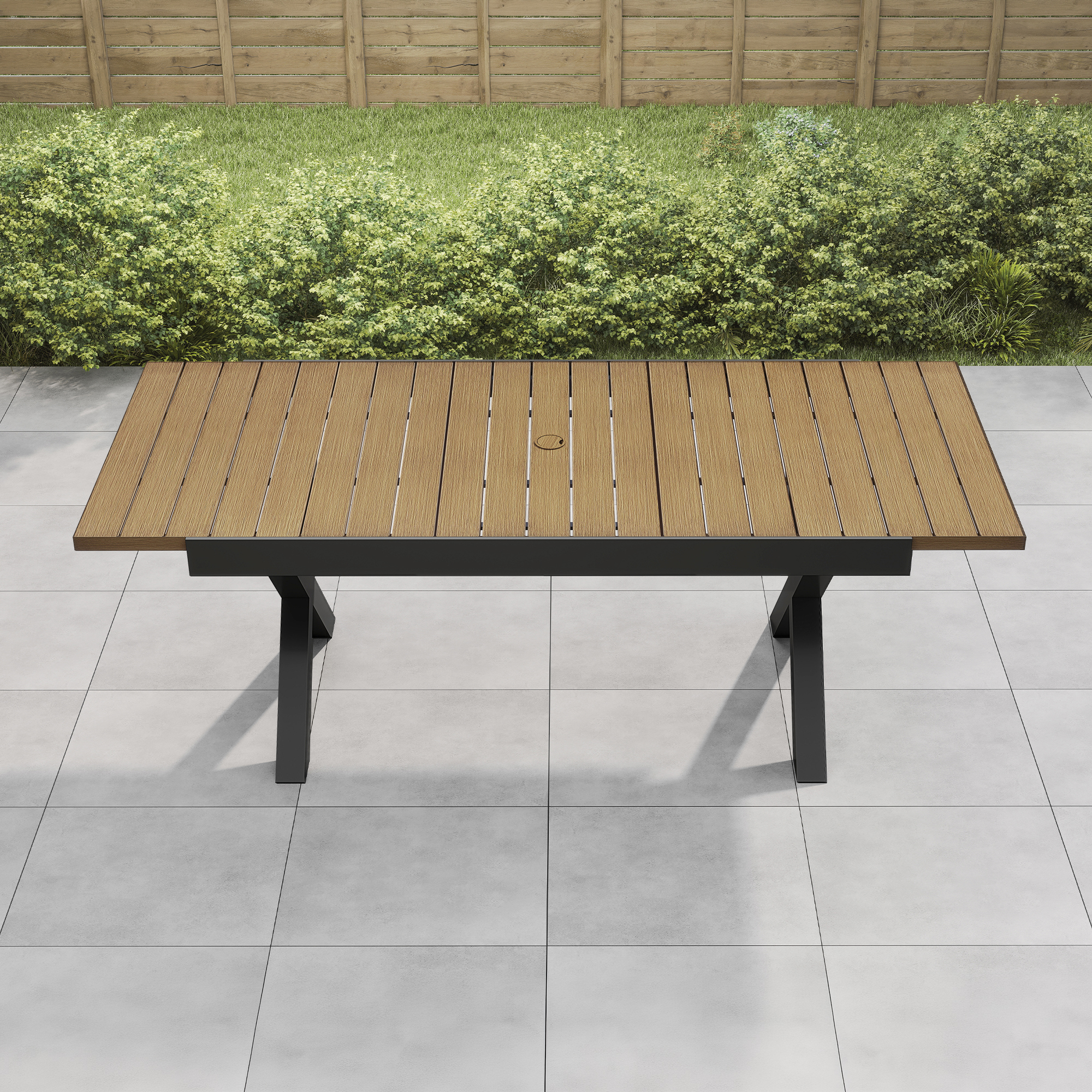
Creating a functional and inviting open-air lounge requires selecting weather-resistant outdoor coffee tables that balance industrial durability with sophisticated residential aesthetics. Most homeowners mistakenly believe that any metal or wooden surface can survive the relentless cycle of intense UV exposure and heavy winter moisture. A true high-performance table utilizes advanced material science to prevent structural warping or surface degradation over several years.
You should prioritize surfaces like ceramic, high-pressure laminate, or teak-inspired composites for the best results in harsh climates. Choosing the right piece involves understanding how specific frame coatings like professional powder-spraying shield the internal metal from rust. A well-selected coffee table serves as the central anchor for your outdoor sofa set, providing a reliable platform for drinks and decor. High-quality backyard styling starts with a commitment to technical excellence and material purity for your private sanctuary. Your patio deserves a focal point that remains as pristine in January as it does in July.
Prioritizing Ceramic and High-Pressure Laminate for Surface Integrity
The tabletop material is the primary defense against the degrading effects of the local environment and daily social use. A professional-grade weather-resistant outdoor coffee tables selection often features ceramic tops that are virtually impervious to scratches and thermal shock. This dense material does not absorb liquids, which prevents the staining often caused by spilled red wine or acidic fruit juices. High-pressure laminate (HPL) offers a similarly robust alternative, providing a sleek and modern look that resists impact and extreme heat. You should ensure that any composite surface features high-quality edge banding to prevent water from penetrating the internal core.
These advanced materials maintain their original color and texture even after thousands of hours of direct solar radiation. Reliability in surface performance is a hallmark of professional furniture engineering and thoughtful seasonal wardrobing for your home. Investing in superior materials provides a durable and beautiful foundation for all your favorite outdoor activities.
Engineering Rust Protection with Advanced Powder-Coated Metal Frames
The internal structure of your furniture must resist oxidation to ensure it remains safe and attractive for many social seasons. You should look for coffee tables with aluminum or galvanized steel frames that feature a professional powder-coated finish. This electrostatic spraying process creates a thick, protective skin that is much more durable than standard liquid paint.
A high-quality coating prevents moisture and oxygen from reaching the raw metal, effectively stopping the formation of rust. You must verify that the coating is applied evenly to all joints and undersides where water tends to collect. Some premium manufacturers include a secondary zinc-rich primer for added protection in coastal environments with salty air. Proper frame treatment is the invisible engine that keeps your outdoor seating area stable and inviting throughout the changing years. Reliability starts with a commitment to industrial-grade protection for every hidden component of your backyard furniture.
Comparison of Performance Features for Outdoor Table Materials
| Material Category | UV Resistance Rating | Maintenance Level | Primary Benefit |
|---|---|---|---|
| Sintered Ceramic | Ultra-High (Fade-proof) | Low (Wipe clean) | Scratch and heat resistant |
| Teak-Inspired Composite | High (Color-stable) | Low (No oiling) | Warm natural aesthetic |
| Powder-Coated Aluminum | High (Non-corrosive) | Low (Hose down) | Lightweight and rust-proof |
| Tempered Glass | Medium (Transparent) | Medium (Polishing) | Modern and airy look |
Why Teak-Inspired Composites Offer the Best of Both Worlds
Natural wood is often prized for its warmth, but it requires frequent oiling and sanding to prevent graying or cracking. Modern weather-resistant outdoor coffee tables frequently utilize wood-plastic composites that mimic the rich grain of premium grade-A teak. These innovative materials are engineered to resist rot, insects, and moisture without the high-maintenance requirements of organic timber. You should choose a composite that feels substantial and dense to ensure it does not warp under the summer sun.
High-quality "faux-teak" provides the sophisticated look of a traditional garden while offering the durability of modern industrial polymers. This material choice allows you to enjoy a classic aesthetic without the burden of constant seasonal restoration projects. Visual harmony is the secret to making a bold statement while maintaining a low-stress outdoor lifestyle for your family. Consistency in material selection reflects a disciplined and well-organized approach to your personal home brand identity.
Strategic Dimensions for Ergonomic Comfort and Sofa Matching
The physical proportions of your table determine how comfortably your guests can interact with their drinks and snacks. You should select a coffee table height between 15 and 18 inches to ensure a perfect match with your sofa. This height allows a seated person to reach for a glass without excessive bending or reaching uncomfortably. If the table is too high or too low, the overall social flow of the seating area will feel disrupted. You should also ensure the table length is approximately two-thirds the length of your sofa for visual balance. This proportion provides enough surface area for multiple guests while leaving space for easy movement around the furniture. Proper sizing ensures that your outdoor area feels open and inviting rather than cluttered and physically cramped. Efficiency in spatial planning is a core component of professional-grade outdoor residential design and management.
-
Choose a circular or oval design with rounded corners to promote a smoother flow in tight spaces.
-
Verify that the table includes adjustable leveling feet to ensure stability on uneven stone or decking.
-
Opt for a slat-top design to allow rainwater to drain through rather than pooling on the surface.
-
Select a neutral color like charcoal or sand to allow the table to blend with various seasonal decor.
Enhancing Social Safety with Rounded Corners and Stable Bases
The list provided outlines how specific design choices can improve the safety and utility of your primary outdoor lounge. Rounded corners are essential for preventing painful bumps in high-traffic areas where children or pets might be playing daily. A circular table naturally encourages conversation and allows guests to navigate the seating area without catching their clothing on sharp edges. You should also prioritize a weighted base or wide-set legs to prevent the table from tipping during a sudden storm. Stability is particularly important on natural stone patios where the ground surface is rarely perfectly flat or even.
Leveling feet allow you to fine-tune the table's height to eliminate annoying wobbles during a social dinner or party. These small details work together to create a multi-sensory experience that reflects your commitment to high-quality backyard design. Precision in your choices leads to a more predictable and satisfying result for your private home retreat.
Managing Rainwater Drainage and Easy Post-Storm Maintenance
A common mistake is choosing a solid, flat-top table that allows rainwater to pool and create unsightly mineral deposits. You should look for weather-resistant outdoor coffee tables with slatted tops or subtle drainage channels integrated into the design. This feature allows water to pass through the surface quickly, ensuring the table dries within minutes of a rain event. It also makes the table much easier to wipe clean of dust, pollen, or bird droppings with a damp cloth. Avoiding stagnant water is the most effective way to prevent the growth of mold or algae on your furniture.
Most high-performance materials like ceramic or powder-coated aluminum require only a simple rinse to maintain their factory-fresh appearance. Responsible garment and furniture care is a vital part of a sustainable lifestyle for modern homeowners in any climate. Consistency in cleaning reflects a disciplined approach to preserving the aesthetic value of your outdoor living room daily.
Balancing Weight and Portability for Seasonal Rearranging
The weight of your coffee table should be substantial enough to resist wind but light enough to move for parties. Aluminum is a popular choice because it offers incredible strength-to-weight ratios compared to traditional cast iron or heavy stone. If you live in a region with frequent high-wind events, you may prefer a table with a weighted pedestal base. This design provides a low center of gravity that keeps the table anchored to the patio floor during a storm. You should be able to shift the table easily to accommodate different social configurations or seasonal gardening tasks.
Choosing a portable yet sturdy piece ensures that your backyard remains a dynamic and adaptable space for your family. Flexibility is a primary benefit of a well-engineered and versatile piece of high-quality outdoor apparel or furniture. Proper weight management ensures that you always feel in control of your outdoor environment regardless of the weather.
Final Summary of Outdoor Coffee Table Selection Logic
Choosing the right weather-resistant outdoor coffee tables is a strategic investment in your home's long-term social and aesthetic value. You should prioritize ceramic, HPL, or teak-inspired composites for the most durable and fade-proof surface performance in all seasons. Focus on powder-coated aluminum frames to ensure your furniture remains rust-free and stable on every type of patio floor. Remember to match the table height to your sofa and choose rounded corners to promote a safe and smooth social flow. Use the comparison of materials and design checklists to build a collection that matches your specific climate and lifestyle. A well-chosen coffee table serves as a durable and beautiful stage for decades of family memories and high-end outdoor entertaining. Focus on the details of material quality and structural integrity to secure the most sophisticated result for your yard. Start optimizing your outdoor sanctuary by selecting a professional-grade weather-resistant table today.
Frequently Asked Questions
Which specific tabletop material offers the highest scratch resistance?
Sintered ceramic and high-pressure laminate (HPL) are the undisputed leaders for maintaining a pristine surface in high-traffic outdoor areas. Unlike soft plastics or painted wood, these dense materials resist deep gouges from sliding ceramic mugs or metal trays. Ceramic is particularly impressive because it is fired at extremely high temperatures, making it nearly as hard as natural stone. You should choose these surfaces if you frequently host large social gatherings where furniture is subject to heavy daily use. This durability ensures that your weather-resistant outdoor coffee tables maintain a professional and high-end appearance for many years. Investing in hardness is a smart strategy for a long-lasting and beautiful backyard retreat.
How do I prevent my outdoor coffee table from wobbling on a stone patio?
The most effective solution is to choose a table equipped with integrated, adjustable leveling feet at the base of the legs. These small threaded components allow you to fine-tune the height of each corner to compensate for uneven pavers. You should avoid fixed-leg tables if your patio surface features natural slate or rustic cobblestones with significant height variations. If your current table lacks this feature, you can utilize discreet weather-resistant shims made of rubber or plastic. Maintaining a level surface prevents drinks from sliding and reduces structural stress on the frame joints over time. Stability is a hallmark of a well-organized and safe outdoor social environment for your guests.
Does "weather-resistant" mean I can leave the table uncovered all winter?
While professional-grade materials like powder-coated aluminum can technically survive the snow, using a breathable cover is always recommended. Intense freezing and thawing cycles can cause moisture to expand in small crevices, potentially damaging the finish over several seasons. A high-quality cover protects the table from acidic bird droppings, tree sap, and industrial pollutants that accumulate during the off-season. You should ensure the cover is securely fastened to prevent it from blowing away during a heavy winter storm. Proactive protection reflects a disciplined approach to home maintenance and significantly extends the lifespan of your investment. Taking this simple step ensures your furniture is ready for immediate use when the spring weather arrives.