
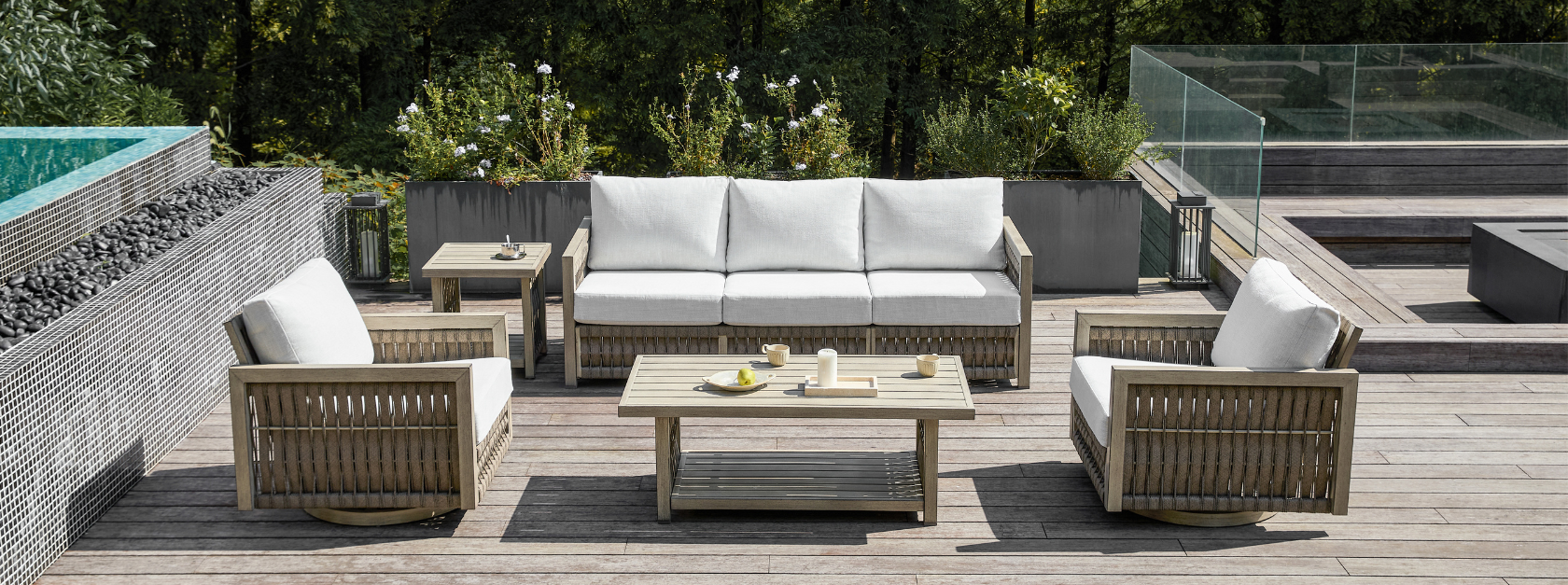
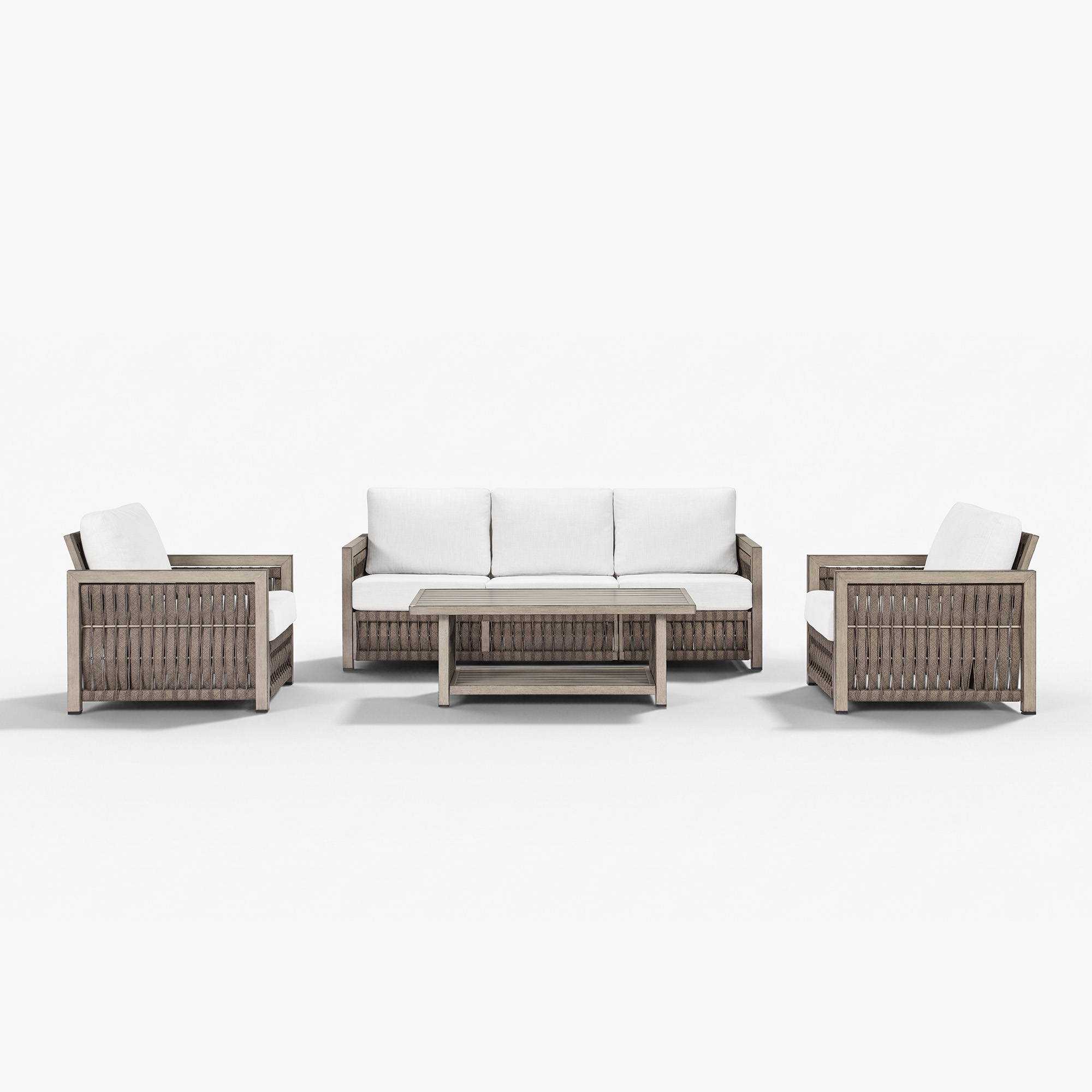
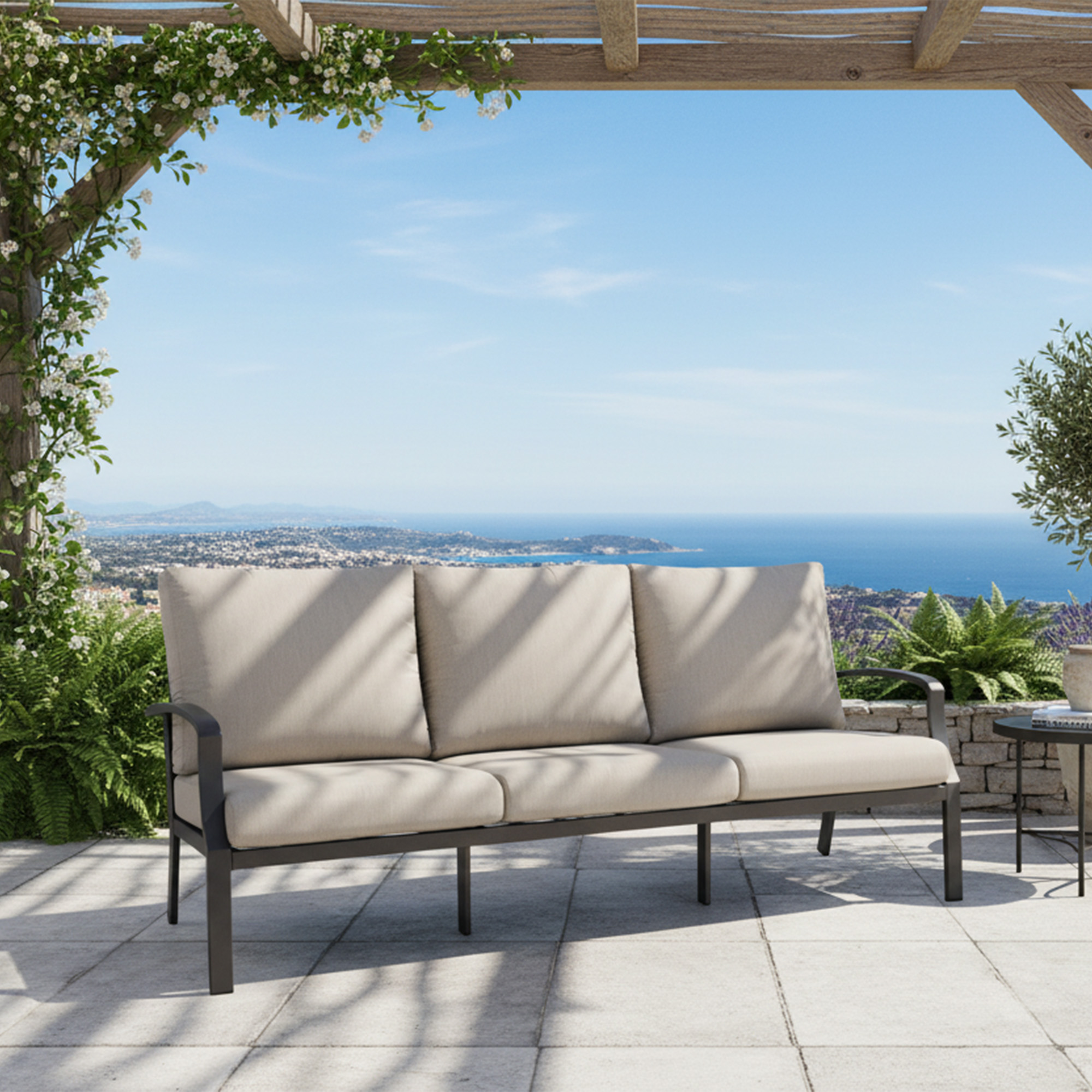
Long-Lasting Outdoor Furniture Depends On More Than Appearance
Many buyers assume that visual appeal or price reflects durability. However, outdoor furniture truly lasts many years only when several factors work together. Material quality, structural integrity, surface protection, and environmental compatibility all influence lifespan. Outdoor conditions place constant stress on furniture through sunlight, moisture, and temperature changes. Products that look strong may fail quickly if internal construction is weak. True durability comes from engineering decisions rather than surface appearance. Understanding these factors helps buyers evaluate furniture beyond marketing claims. A well-informed choice ensures that outdoor spaces remain functional and attractive for many seasons without frequent replacement or unexpected damage.
Material Choice Determines Long-Term Performance
Material selection forms the foundation of durability. Outdoor furniture truly lasts many years when built from materials that resist environmental stress. Aluminum is widely valued because it resists rust while remaining lightweight. Teak wood offers natural resistance to moisture and insects, making it suitable for outdoor use. Stainless steel provides strength but requires proper finishing to prevent corrosion. Lower-quality materials often fail quickly. Untreated steel may rust after exposure to rain. Cheap plastics may crack or fade under sunlight. Material quality directly influences how well furniture withstands weather conditions. Choosing durable materials ensures consistent performance and reduces the need for frequent replacements.
Protective Coatings Extend Furniture Lifespan
Surface treatments protect furniture from environmental damage. Outdoor furniture truly lasts many years when coatings are applied correctly and consistently. Powder coating creates a durable barrier that resists corrosion and scratches. UV-resistant coatings help prevent fading caused by sunlight. Waterproof sealants protect surfaces from moisture penetration. Poor coating quality can lead to early deterioration. Thin or uneven layers may peel or crack over time. Once the protective layer fails, the underlying material becomes vulnerable. High-quality finishes slow the aging process and maintain visual appeal. Proper coating technology plays a critical role in preserving both structure and appearance.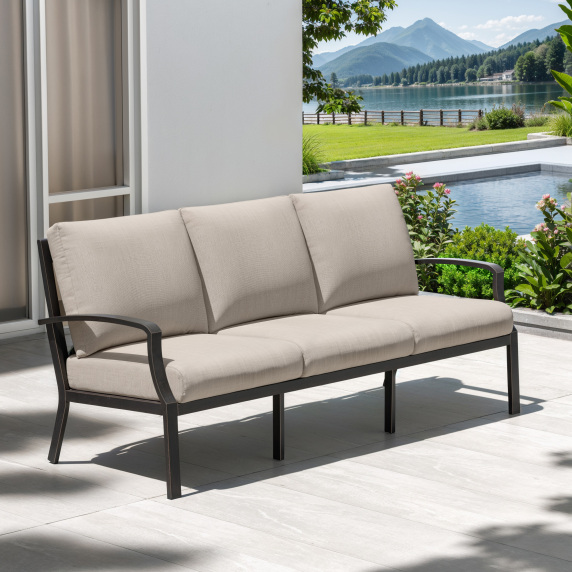
Structural Design Supports Long-Term Use
Durability is not only about materials but also about construction quality. Outdoor furniture truly lasts many years when designed to handle repeated use without weakening. Strong joints and stable connections prevent movement and loosening over time. Welded frames or reinforced bolts provide reliable support. Weight distribution should be balanced to avoid stress concentration on specific points. Poorly designed structures may become unstable after regular use. Loose joints or uneven frames reduce comfort and safety. Structural integrity ensures that furniture maintains its original shape and performance. A well-built frame can withstand years of use without significant wear or damage.
Fabric And Cushion Quality Influence Usability
Soft furnishings often determine how long outdoor furniture remains comfortable. Outdoor furniture truly lasts many years when cushions and fabrics resist environmental damage. High-quality outdoor fabrics are designed to resist moisture, mold, and UV exposure. Quick-dry foam prevents water retention and reduces the risk of mildew. Low-quality cushions may deteriorate quickly. Fabric may fade, and foam may lose shape after limited use. These issues affect both comfort and appearance. Durable textiles maintain their structure and color over time. Investing in high-quality fabrics ensures that the furniture remains enjoyable for extended periods without requiring frequent replacement.
Climate Compatibility Affects Durability Outcomes
Environmental conditions vary widely across regions. Outdoor furniture truly lasts many years only when it matches the local climate. High-humidity areas require materials that resist mold and corrosion. Regions with intense sunlight demand UV-resistant coatings and fabrics. Coastal environments expose furniture to salt air, which accelerates corrosion. Aluminum and treated stainless steel perform well in such conditions. A product that performs well in one climate may fail in another. Selecting furniture based on environmental compatibility ensures better long-term results. Understanding climate factors allows buyers to choose materials and finishes that align with real-world conditions.
Maintenance Requirements Influence Long-Term Value
Durability involves not only construction but also maintenance. Outdoor furniture truly lasts many years when maintenance requirements match user expectations. Some materials require minimal care. Aluminum and synthetic materials typically need only occasional cleaning. Natural wood may require periodic oiling or sealing to maintain its appearance. Buyers often overlook maintenance when evaluating durability. A product may be durable but demand significant upkeep. Considering maintenance needs ensures that furniture remains in good condition without excessive effort. Long-term usability depends on balancing durability with practical care requirements.
Key Factors That Define Long-Lasting Outdoor Furniture
Understanding durability becomes easier when key factors are clearly identified.
Essential Durability Factors
-
High-quality materials such as aluminum, teak, or stainless steel
-
Protective coatings including powder coating and UV resistance
-
Strong structural connections and balanced design
-
Weather-resistant fabrics with quick-dry properties
-
Compatibility with local climate conditions
These factors work together to determine whether outdoor furniture truly lasts many years. Ignoring any one element can reduce overall lifespan. A complete evaluation ensures better purchasing decisions.
After identifying these factors, buyers can compare products more effectively. This approach shifts focus from appearance to performance, improving long-term satisfaction.
Durability Comparison Table For Outdoor Furniture
| Category | High-Durability Option | Low-Durability Option |
|---|---|---|
| Material | Aluminum, Teak, Stainless Steel | Untreated Steel, Low-Grade Plastic |
| Surface Treatment | Powder Coated, UV Protected | Thin Paint, No UV Protection |
| Structure | Reinforced Joints, Stable Frame | Loose Connections, Weak Support |
| Fabric | Water-Resistant, Quick-Dry | Absorbs Moisture, Fades Easily |
| Climate Fit | Environment-Specific Design | Generic, Not Climate Adapted |
| Maintenance | Low Or Manageable | High Or Neglected |
This table highlights the key differences between durable and short-lived outdoor furniture. Each category influences how well a product performs over time. Evaluating these elements together provides a clear understanding of long-term value. Durable options consistently combine strong materials, protective finishes, and reliable construction.
Common Misconceptions About Outdoor Furniture Durability
Many assumptions about durability can lead to poor purchasing decisions. Outdoor furniture truly lasts many years only when evaluated correctly.
Common Misconceptions
-
Heavier furniture always lasts longer
-
High price guarantees durability
-
Appearance reflects structural quality
-
All outdoor fabrics perform equally
-
Maintenance is not necessary
These misconceptions overlook critical technical factors. Weight does not determine material quality. Price does not always reflect construction standards. Understanding the real indicators of durability helps avoid costly mistakes.
By focusing on materials, coatings, and structure, buyers can make informed decisions that support long-term use.
Building A Long-Term Outdoor Furniture Strategy
Durable outdoor furniture should be part of a broader planning approach. Outdoor furniture truly lasts many years when selected with long-term use in mind. Buyers should consider how furniture will be used, maintained, and exposed to environmental conditions. Combining durable materials with proper care extends lifespan significantly. Accessories such as covers can provide additional protection. Strategic placement reduces exposure to extreme conditions. A thoughtful approach ensures that outdoor spaces remain functional and visually appealing over time. Long-term planning transforms furniture selection into a sustainable investment rather than a short-term purchase.
FAQ
What Type Of Outdoor Furniture Truly Lasts Many Years?
Outdoor furniture truly lasts many years when it uses high-quality materials and proper construction techniques. Aluminum frames resist rust and maintain strength over time. Teak wood provides natural durability against moisture and insects. Stainless steel offers high strength when treated correctly. In addition to materials, protective coatings such as powder coating and UV resistance extend lifespan. Structural design also plays a role, as reinforced joints prevent loosening. Durable fabrics with quick-dry foam improve usability. When these elements work together, outdoor furniture can remain functional and attractive for many years under regular use.
Does Climate Affect How Long Outdoor Furniture Lasts?
Climate has a significant impact on furniture durability. Outdoor furniture truly lasts many years only when it matches environmental conditions. High humidity can cause mold or corrosion if materials are not resistant. Strong sunlight may fade fabrics and damage coatings. Coastal areas expose furniture to salt air, which accelerates wear. Choosing materials suited to local conditions improves performance. Aluminum and treated metals work well in humid or coastal environments. UV-resistant fabrics perform better in sunny regions. Understanding climate factors helps ensure that furniture maintains its condition over time without excessive maintenance.
How Important Is Maintenance For Long-Lasting Outdoor Furniture?
Maintenance plays an important role in extending furniture lifespan. Outdoor furniture truly lasts many years when properly cared for. Some materials require minimal upkeep, while others need regular attention. Aluminum and synthetic materials usually need simple cleaning. Wood furniture may require periodic oiling or sealing. Cleaning cushions and protecting fabrics helps maintain appearance and comfort. Ignoring maintenance can reduce durability even in high-quality products. Regular care prevents minor issues from becoming major problems. Balancing durability with manageable maintenance ensures that outdoor furniture remains functional and attractive over the long term.