
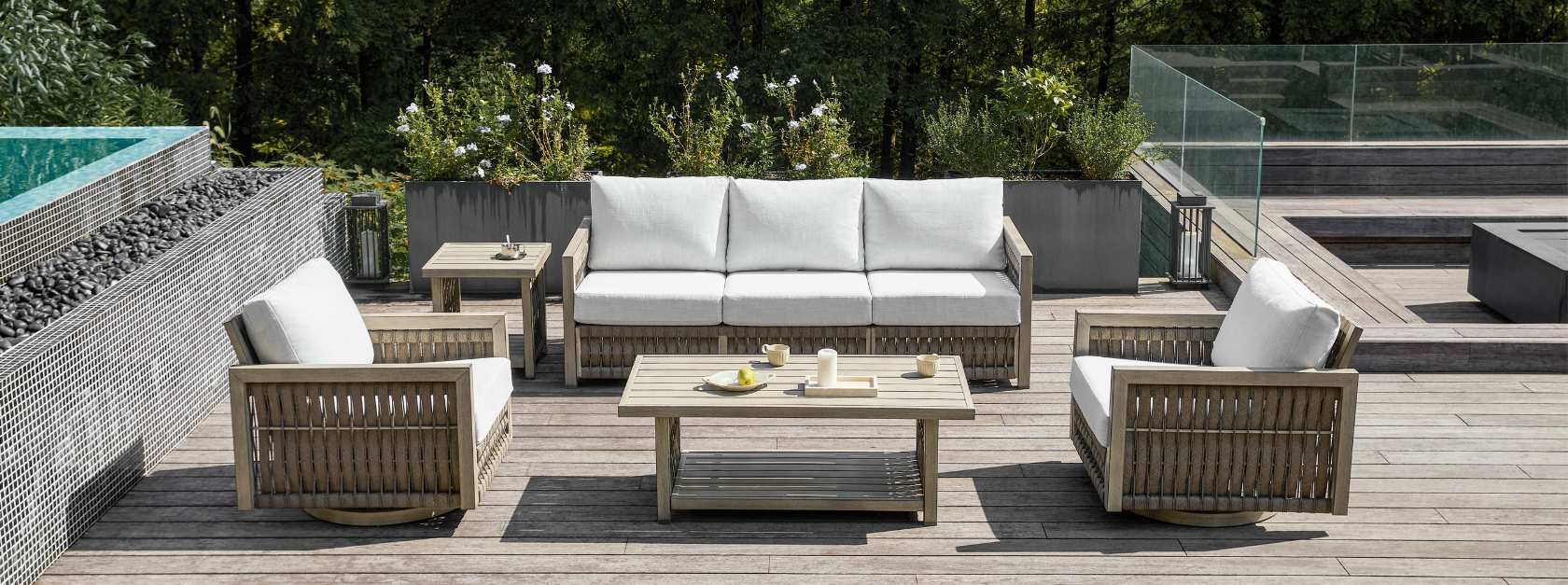
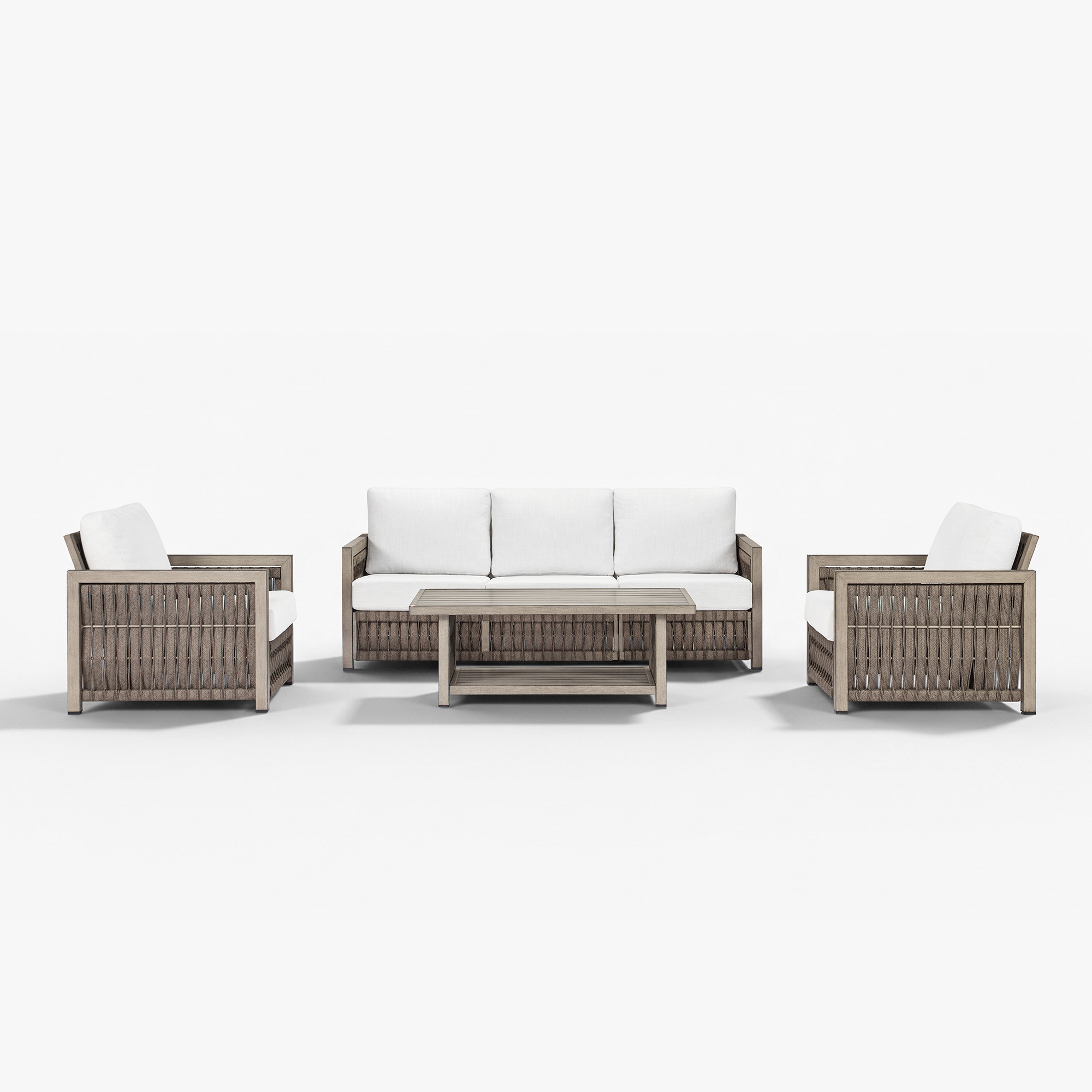

Outdoor Living Spaces Demand Long-Lasting Furniture
Outdoor spaces face constant environmental pressure. Sunlight, rain, temperature shifts, and humidity act together daily. Ordinary furniture often fails under these conditions. Rust proof outdoor furniture addresses these challenges directly. It uses materials and construction methods that resist corrosion and surface breakdown. Homeowners increasingly extend living areas outdoors. Patios now function as dining zones, lounges, and social hubs. Furniture must match this extended use. Rust proof outdoor furniture maintains strength and appearance over time. Frames stay stable even after repeated weather exposure. Finishes remain intact without peeling or flaking. This reliability supports consistent outdoor use across seasons. Choosing rust proof outdoor furniture protects both comfort and investment.
Core Reasons Rust Forms on Outdoor Furniture
Rust develops when metal reacts with moisture and oxygen. Outdoor settings provide both elements constantly. Rainwater seeps into joints and seams. Morning dew coats surfaces repeatedly. Humid air accelerates oxidation. Salt particles worsen corrosion near coastal areas. Traditional steel furniture lacks sufficient protection. Paint alone rarely blocks moisture penetration long term. Once rust begins, structural damage follows quickly. Screws weaken and frames lose stability. Visual damage appears early through stains and bubbling finishes. Rust proof outdoor furniture eliminates these risks by design. Materials resist oxidation at the molecular level. Protective treatments form durable barriers. Understanding rust causes explains why material choice matters greatly.
Materials Commonly Used in Rust Proof Outdoor Furniture
Manufacturers rely on specific materials to ensure rust resistance. Each material performs differently depending on environment and use.
-
Aluminum frames resist corrosion naturally and remain lightweight.
-
HDPE components repel water and tolerate UV exposure.
-
Stainless steel grades provide strength with improved oxidation resistance.
-
Composite materials combine durability with reduced maintenance needs.
Material selection affects weight, appearance, and longevity. Aluminum suits humid and rainy climates well. HDPE works effectively for low-maintenance outdoor areas. Stainless steel fits modern designs requiring strength. Composite materials offer flexibility in form and color. Selecting the right material improves outdoor furniture performance dramatically. Long-term durability depends more on material choice than appearance alone.
How Rust Proof Outdoor Furniture Supports Patio Layout Planning
Patio layout planning benefits from stable furniture dimensions. Rust proof outdoor furniture retains its shape over time. Frames do not warp or swell from moisture. Legs remain level despite temperature shifts. Tables maintain flat surfaces for dining and work. Chairs preserve balance and weight distribution. This consistency allows confident layout decisions. Modular sets fit predictable spacing needs. Sectionals align correctly without gradual deformation. Furniture remains safe for daily use. Reliable dimensions simplify seasonal rearrangements. Patio layouts remain functional without constant adjustments. Rust proof outdoor furniture provides structural predictability essential for long-term outdoor design.

Visual Consistency Over Multiple Seasons
Outdoor furniture appearance influences overall patio appeal. Rust causes discoloration, streaks, and surface roughness. These flaws disrupt cohesive design. Rust proof outdoor furniture maintains visual consistency across seasons. Coatings resist fading under sunlight. Surfaces avoid bubbling or cracking. Colors remain uniform across sets. Textures stay smooth to the touch. This stability supports coordinated outdoor decor. Cushions and accessories pair well with intact frames. Visual continuity improves perceived quality of outdoor spaces. Guests notice clean lines and maintained finishes. A polished patio enhances both comfort and property value.
Rust Proof Outdoor Furniture Versus Treated Steel Options
Some furniture uses treated steel as a compromise solution. Treatments include paint, galvanization, or sealants. These methods delay rust but rarely prevent it fully. Scratches expose raw steel underneath. Moisture enters through joints easily. Treated steel often requires frequent inspections. Rust proof outdoor furniture avoids these vulnerabilities. Materials resist corrosion internally rather than relying on surface layers alone. Maintenance needs remain minimal. Structural integrity stays consistent. Owners experience fewer repairs and replacements. Over time, rust proof furniture proves more economical. Durability outweighs initial cost differences. Performance remains reliable across years of exposure.
Rust Proof Outdoor Furniture Material Comparison
| Material | Rust Resistance | Maintenance Level | Best Use Environment |
| Aluminum | Very High | Low | Humid, Rainy Areas |
| HDPE | Complete | Very Low | Sun-Exposed Patios |
| Stainless Steel | High | Moderate | Modern Outdoor Spaces |
| Composite | High | Low | Mixed Climate Zones |
This comparison clarifies how materials differ in performance. Aluminum excels in wet environments. HDPE eliminates corrosion risks entirely. Stainless steel balances strength with resistance. Composite materials offer versatility across climates. Buyers can match material strengths with patio conditions. Selecting suitable materials improves comfort and safety. Proper matching prevents premature wear. This table supports informed decisions without technical complexity. Material choice remains the foundation of rust proof outdoor furniture performance.
Comfort and Structural Stability Benefits
Comfort depends heavily on frame stability. Rust weakens joints and fasteners. Chairs may wobble or tilt unevenly. Rust proof outdoor furniture avoids these issues. Frames remain rigid under repeated weight. Seating angles stay consistent. Armrests maintain proper alignment. Tables remain stable on uneven surfaces. Structural reliability improves user confidence. Guests relax without safety concerns. Comfort increases through dependable support. Long-term stability enhances everyday usability. Outdoor meals and gatherings feel more secure. Furniture stability directly affects overall outdoor experience quality.
Maintenance Expectations for Rust Proof Outdoor Furniture
Rust proof outdoor furniture reduces maintenance demands significantly. Routine cleaning removes dirt and pollen. Mild soap and water suffice in most cases. Coatings do not require frequent reapplication. Frames resist internal corrosion. Owners avoid sanding or repainting tasks. Seasonal inspections ensure fastener tightness. Protective covers extend finish lifespan further. Maintenance routines remain predictable and brief. Time savings appeal to busy households. Reduced effort encourages consistent outdoor use. Furniture remains presentable with minimal upkeep. This ease supports long-term satisfaction.

Environmental and Cost Efficiency Considerations
Durable furniture reduces waste generation. Rust proof outdoor furniture lasts longer than traditional alternatives. Fewer replacements reduce material consumption. Manufacturing impact spreads across extended product lifespan. Long-term ownership lowers overall spending. Initial costs distribute across many years of use. Repair expenses remain minimal. Durable furniture supports sustainable consumption patterns. Reduced disposal contributes to environmental responsibility. Owners benefit financially and environmentally. Efficiency aligns with modern outdoor living priorities. Longevity represents both economic and ecological value.
Buyer Considerations When Selecting Rust Proof Outdoor Furniture
Buyers should evaluate climate, usage frequency, and layout needs.
-
Assess local humidity and rainfall patterns.
-
Measure patio dimensions accurately.
-
Determine seating capacity requirements.
-
Consider weight preferences for mobility.
-
Review coating quality and material composition.
These factors guide appropriate choices. Proper evaluation prevents mismatched purchases. Furniture selected thoughtfully integrates seamlessly into outdoor spaces. Planning improves satisfaction and usability. Buyers gain confidence in long-term performance. Rust proof outdoor furniture rewards careful selection with lasting results.
FAQ
How long does rust proof outdoor furniture typically last?
Rust proof outdoor furniture often lasts over a decade. Longevity depends on material quality and environmental exposure. Aluminum and HDPE perform especially well in humid climates. Routine cleaning extends surface integrity further. Protective covers also help preserve finishes. Long-term durability reduces replacement frequency significantly.
Does rust proof outdoor furniture require special maintenance?
Special maintenance is usually unnecessary. Mild soap and water handle routine cleaning effectively. Frames resist internal corrosion naturally. Occasional fastener checks ensure stability. Avoiding abrasive cleaners preserves coatings. Maintenance remains simple and predictable throughout ownership.
Is rust proof outdoor furniture suitable for year-round outdoor placement?
Yes, rust proof outdoor furniture suits year-round outdoor placement. Materials tolerate rain, sun, and temperature changes well. Aluminum and HDPE resist moisture penetration completely. Protective covers improve longevity during extreme weather. Year-round use remains safe and practical.