
Outdoor Fabrics Face Constant Sun Exposure Challenges
Outdoor environments expose fabrics to intense sunlight, moisture, and temperature changes. Ultraviolet radiation gradually breaks down fibers and causes visible fading. Fade resistant outdoor furniture fabrics are designed to withstand these conditions without losing color quickly. Standard indoor fabrics lack the structural protection required for outdoor use. Over time, untreated materials become dull and brittle. High-performance outdoor fabrics maintain both color and strength under prolonged exposure. Their durability allows furniture to remain visually appealing throughout different seasons. Selecting the right fabric ensures that outdoor seating areas retain their original look despite constant environmental stress.
Solution-Dyed Acrylic Fibers Lock Color At The Core
Color retention begins at the fiber level. Fade resistant outdoor furniture fabrics often use solution-dyed acrylic or olefin fibers. During production, pigment is added before the fiber is formed. This process embeds color throughout the entire strand rather than only on the surface. Because the color exists inside the fiber, it resists fading even when exposed to strong sunlight. Surface-dyed fabrics, by contrast, lose color more quickly as ultraviolet rays break down the outer layer. Solution-dyed materials maintain vibrancy for extended periods. This technology provides consistent color performance in outdoor environments where sunlight exposure remains constant.
High UV Ratings Indicate Strong Sun Protection
UV resistance is a key performance indicator for outdoor fabrics. Fade resistant outdoor furniture fabrics are tested for their ability to withstand prolonged ultraviolet exposure. High UV ratings indicate that the fabric can maintain color stability over time. Manufacturers often provide durability warranties based on these ratings. Strong UV protection reduces the rate of fiber degradation. Fabrics with lower ratings may fade unevenly or lose structural integrity faster. Choosing materials with verified UV performance ensures better long-term results. Reliable UV resistance supports both durability and aesthetic consistency in outdoor furniture.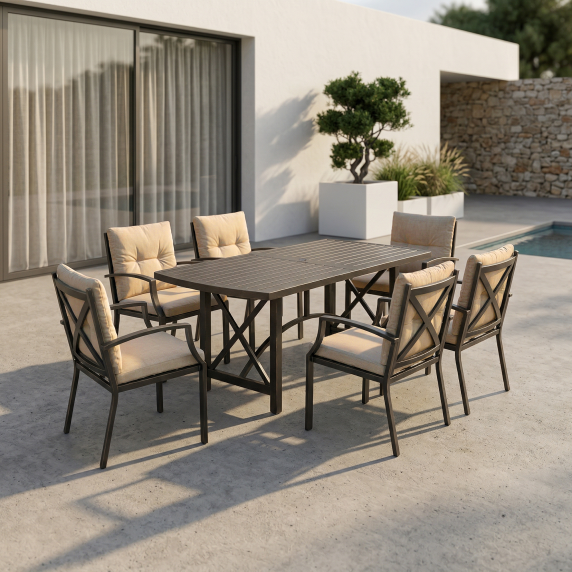
Color Choice Influences Heat And Fading Behavior
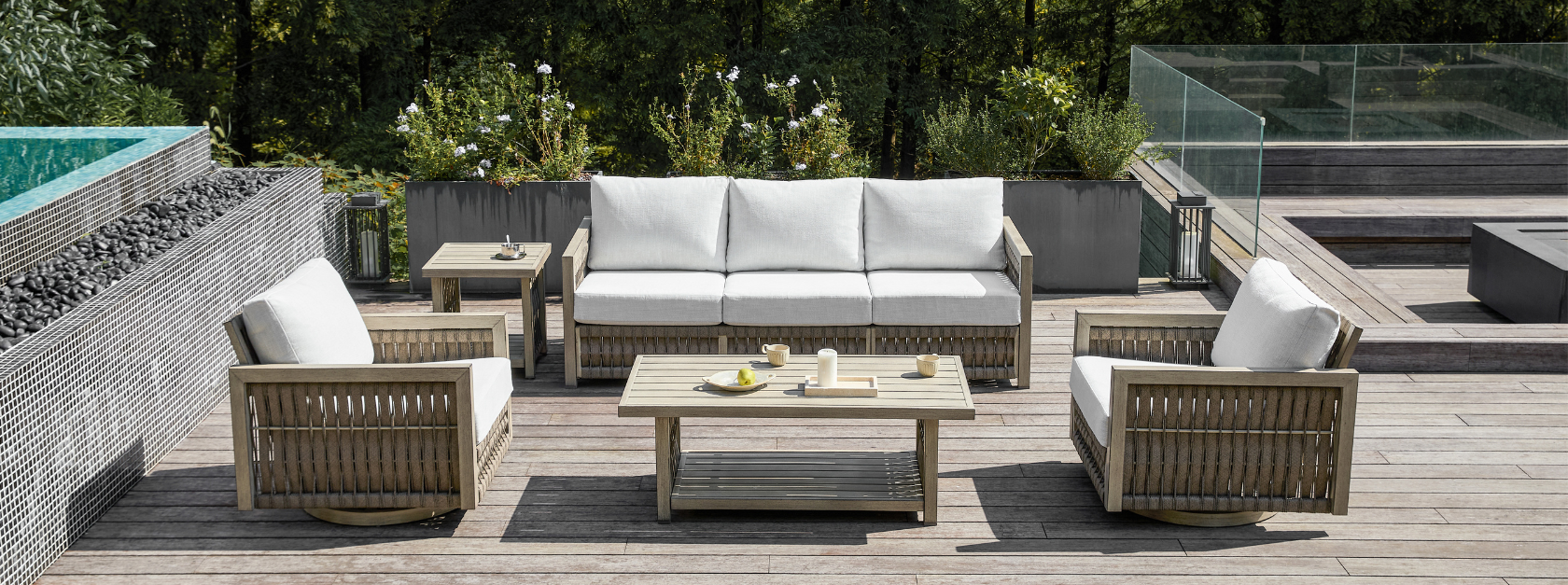
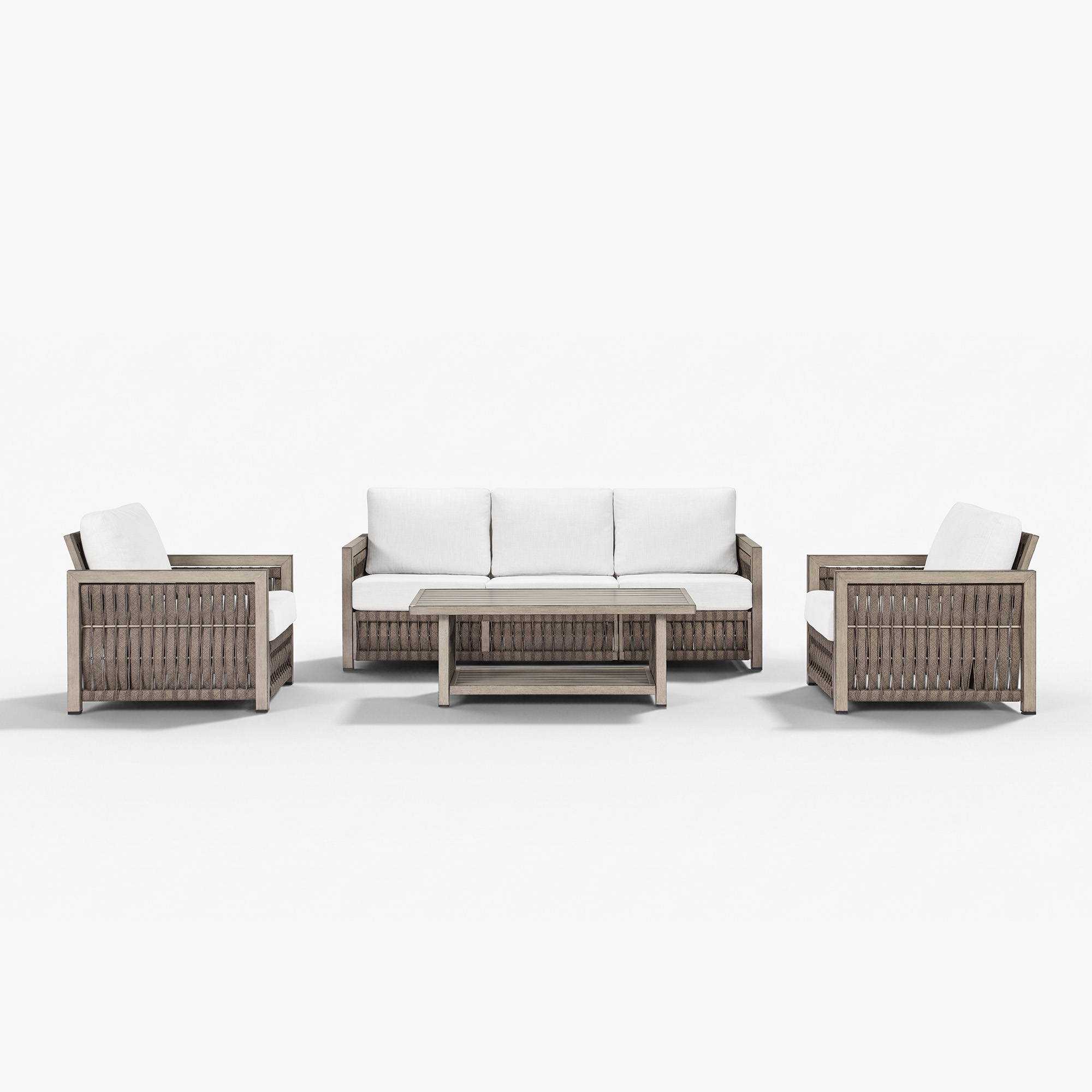
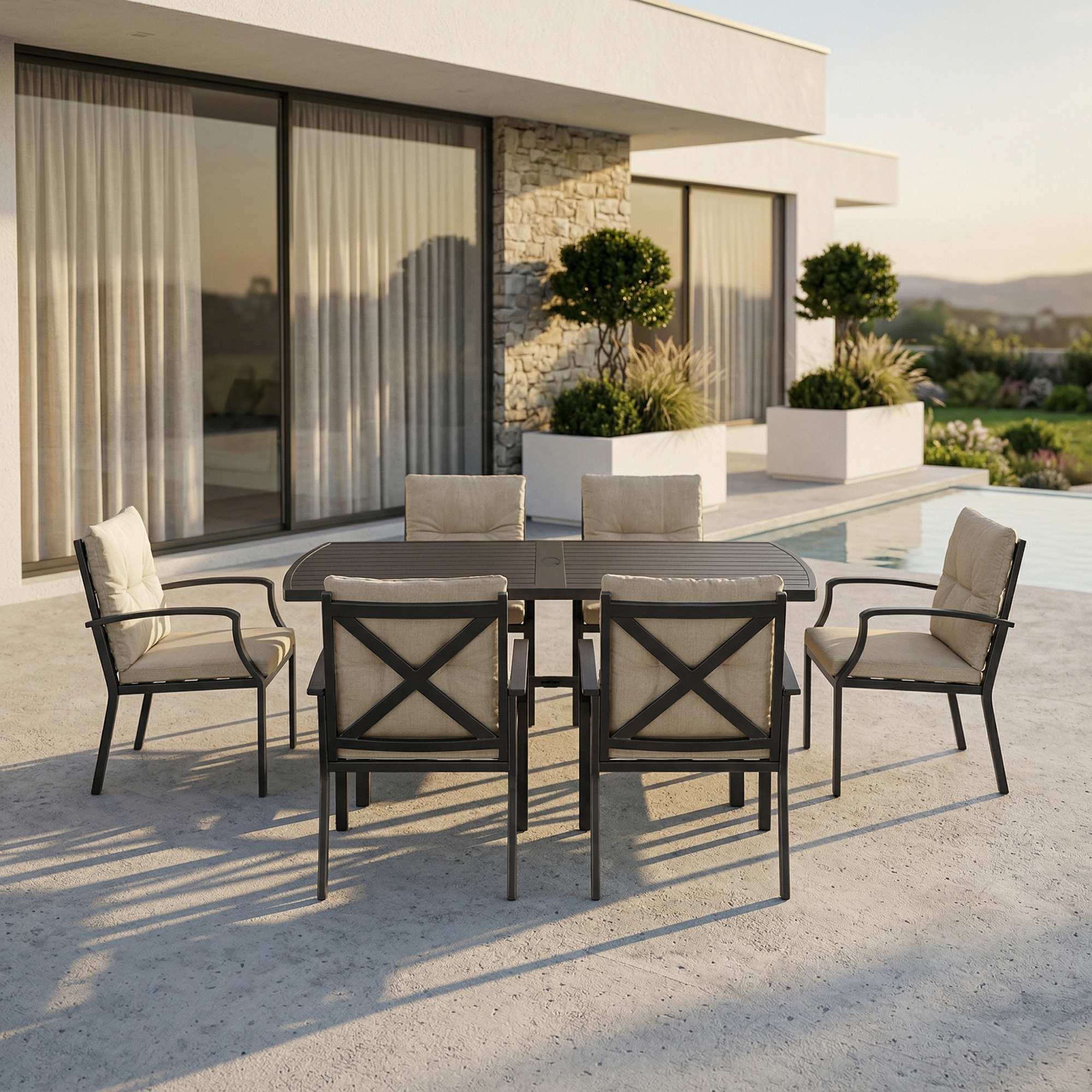
Fabric color plays an important role in outdoor performance. Dark colors absorb more heat and may experience faster fading under intense sunlight. Fade resistant outdoor furniture fabrics in lighter shades reflect more sunlight. This reduces surface temperature and slows down color degradation. Neutral tones such as beige, gray, or soft white maintain their appearance longer in bright conditions. While darker tones may provide strong visual contrast, they often require more maintenance to preserve color. Selecting lighter shades improves comfort and enhances longevity. Color strategy complements material quality in achieving fade resistance.
Gentle Cleaning Protects Fabric Integrity
Maintenance practices directly affect fabric lifespan. Fade resistant outdoor furniture fabrics should be cleaned using mild solutions. Harsh chemicals can damage protective coatings and accelerate fading. Bleach and strong detergents weaken fibers and alter color consistency. Regular cleaning with water and gentle soap removes dirt without harming the material. Allowing fabrics to dry completely prevents moisture buildup. Consistent care preserves both appearance and performance. Proper maintenance ensures that fabrics retain their fade-resistant properties over time.
Pairing Fabrics With Rust-Resistant Frames Improves Longevity
Fabric durability depends not only on the material itself but also on the supporting structure. Fade resistant outdoor furniture fabrics perform best when paired with rust-resistant frames. Corrosion-resistant aluminum or coated steel prevents structural damage that could affect fabric tension. Stable frames maintain proper support for cushions and covers. When frames degrade, fabric alignment may shift, leading to uneven wear. Combining high-quality fabrics with durable frames ensures consistent performance. This integrated approach enhances overall furniture lifespan and reliability in outdoor conditions.
Seasonal Covers Add Protection In Extreme Sunlight
Regions with intense sunlight require additional protective measures. Fade resistant outdoor furniture fabrics perform well, but extreme exposure can still affect longevity. Using seasonal covers or protective layers reduces direct sunlight impact. Removable cushion covers allow users to rotate or replace exposed surfaces. This strategy extends the life of outdoor fabrics. Seasonal adjustments provide an extra layer of protection without compromising usability. Managing exposure levels helps maintain color consistency in challenging climates.
Key Features Of Fade Resistant Outdoor Fabrics
Understanding the essential features of outdoor fabrics helps guide better purchasing decisions.
Important Fabric Characteristics
- Solution-dyed acrylic or olefin fiber construction
- High UV resistance ratings for prolonged sun exposure
- Breathable structure that prevents moisture buildup
- Color stability across multiple seasons
- Compatibility with outdoor cleaning methods
These characteristics define the performance of fade resistant outdoor furniture fabrics. Selecting materials with these features ensures long-term durability and visual appeal.
After identifying these features, homeowners can compare different fabric options more effectively. This process leads to better alignment between material choice and environmental conditions.
Maintenance Practices For Long-Lasting Color
Proper maintenance extends the effectiveness of fade-resistant fabrics.
Recommended Fabric Care Methods
- Clean regularly using mild soap and water
- Avoid bleach or harsh chemical cleaners
- Store cushions in shaded areas when not in use
- Use breathable covers during long idle periods
These practices protect fabric structure and preserve color quality. Routine care reduces the impact of environmental exposure.
Consistent maintenance ensures that outdoor furniture remains comfortable and visually appealing over time. A simple care routine supports long-term performance.
Fabric Comparison For Outdoor Use
| Fabric Type | Fade Resistance | Maintenance Level | Durability |
|---|---|---|---|
| Solution-Dyed Acrylic | Excellent | Low | High |
| Olefin | Very Good | Low | High |
| Polyester | Moderate | Medium | Moderate |
| Cotton Blend | Low | High | Low |
This comparison highlights how different materials perform under outdoor conditions. Solution-dyed acrylic and olefin provide the best balance of durability and fade resistance.
Designing Outdoor Spaces With Fade-Resistant Fabrics
Outdoor furniture should combine durability with visual harmony. Fade resistant outdoor furniture fabrics support long-term design consistency. Neutral tones provide flexibility for changing décor styles. Coordinating cushions with surrounding elements enhances overall appearance. Durable fabrics maintain color, reducing the need for frequent replacement. This approach supports both sustainability and cost efficiency. When fabrics retain their original look, outdoor spaces remain inviting and comfortable. Thoughtful material selection contributes to a cohesive and lasting design.
Building A Reliable Outdoor Furniture Setup
Creating a durable outdoor environment requires attention to multiple factors. Fade resistant outdoor furniture fabrics play a central role in maintaining visual quality. Combining advanced fiber technology with proper care ensures long-term performance. Supporting materials such as rust-resistant frames and protective covers enhance durability. A well-planned setup withstands environmental stress while preserving comfort. Investing in high-quality fabrics improves both usability and aesthetic value. Reliable outdoor furniture supports year-round enjoyment without frequent maintenance or replacement.
Frequently Asked Questions
What Makes Fade Resistant Outdoor Furniture Fabrics Different From Regular Fabrics?
Fade resistant outdoor furniture fabrics differ from regular fabrics in their fiber construction and protective properties. These materials often use solution-dyed acrylic or olefin fibers, where color is embedded throughout the fiber. This process ensures that color remains stable even under prolonged sun exposure. Regular fabrics typically rely on surface dyeing, which fades more quickly. Fade resistant fabrics also include UV protection and moisture resistance. These features allow them to maintain both appearance and durability in outdoor environments. Choosing specialized outdoor fabrics ensures better long-term performance.
How Can I Prevent Outdoor Fabrics From Fading Quickly?
Preventing fading involves both material selection and proper care. Choosing fade resistant outdoor furniture fabrics with high UV ratings is the first step. Regular cleaning with mild soap helps remove dirt that can affect fabric performance. Avoiding harsh chemicals such as bleach protects fiber integrity. Using covers or storing cushions during extreme sunlight reduces exposure. Selecting lighter colors also helps minimize heat absorption. Combining these strategies ensures that fabrics maintain their color for a longer period.
Are Light-Colored Outdoor Fabrics Better For Sun Exposure?
Light-colored outdoor fabrics often perform better under strong sunlight. They reflect more light, reducing heat buildup and slowing the fading process. Fade resistant outdoor furniture fabrics in neutral tones maintain their appearance longer compared to darker shades. While darker colors may offer bold aesthetics, they tend to absorb more heat and fade faster. Light tones also create a cooler seating surface, improving comfort during warm weather. Choosing lighter colors enhances both durability and usability in outdoor environments.