
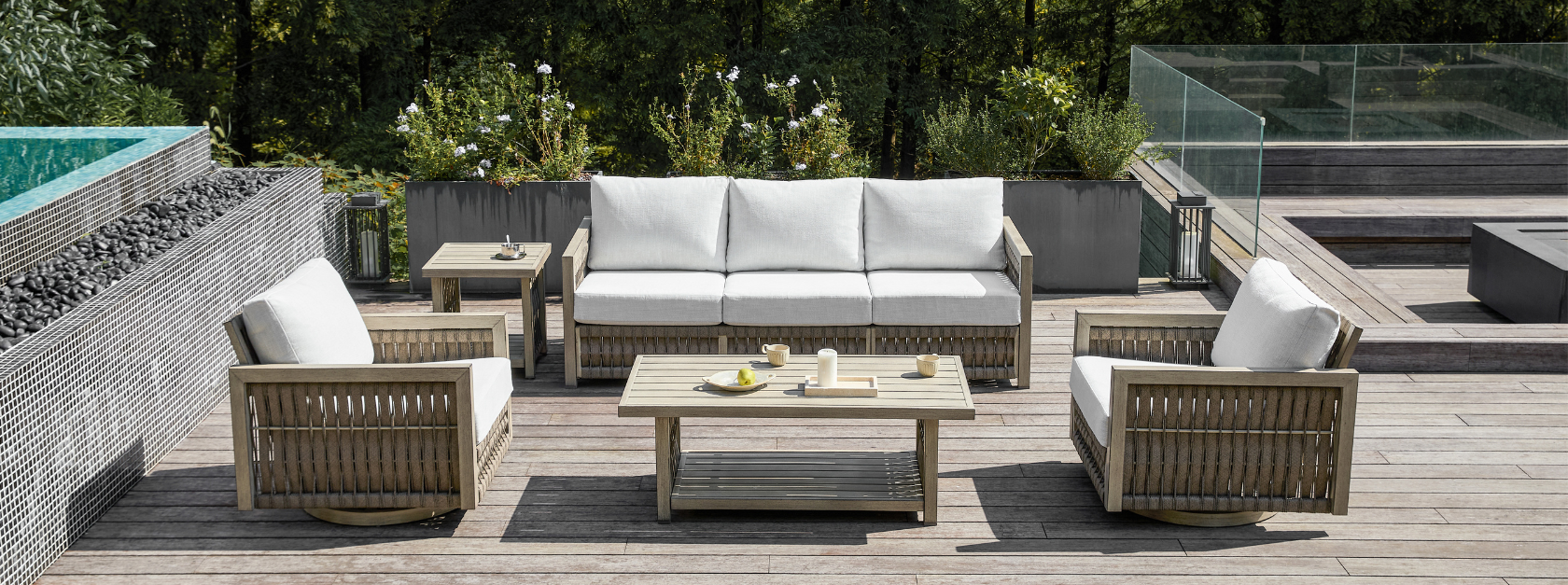
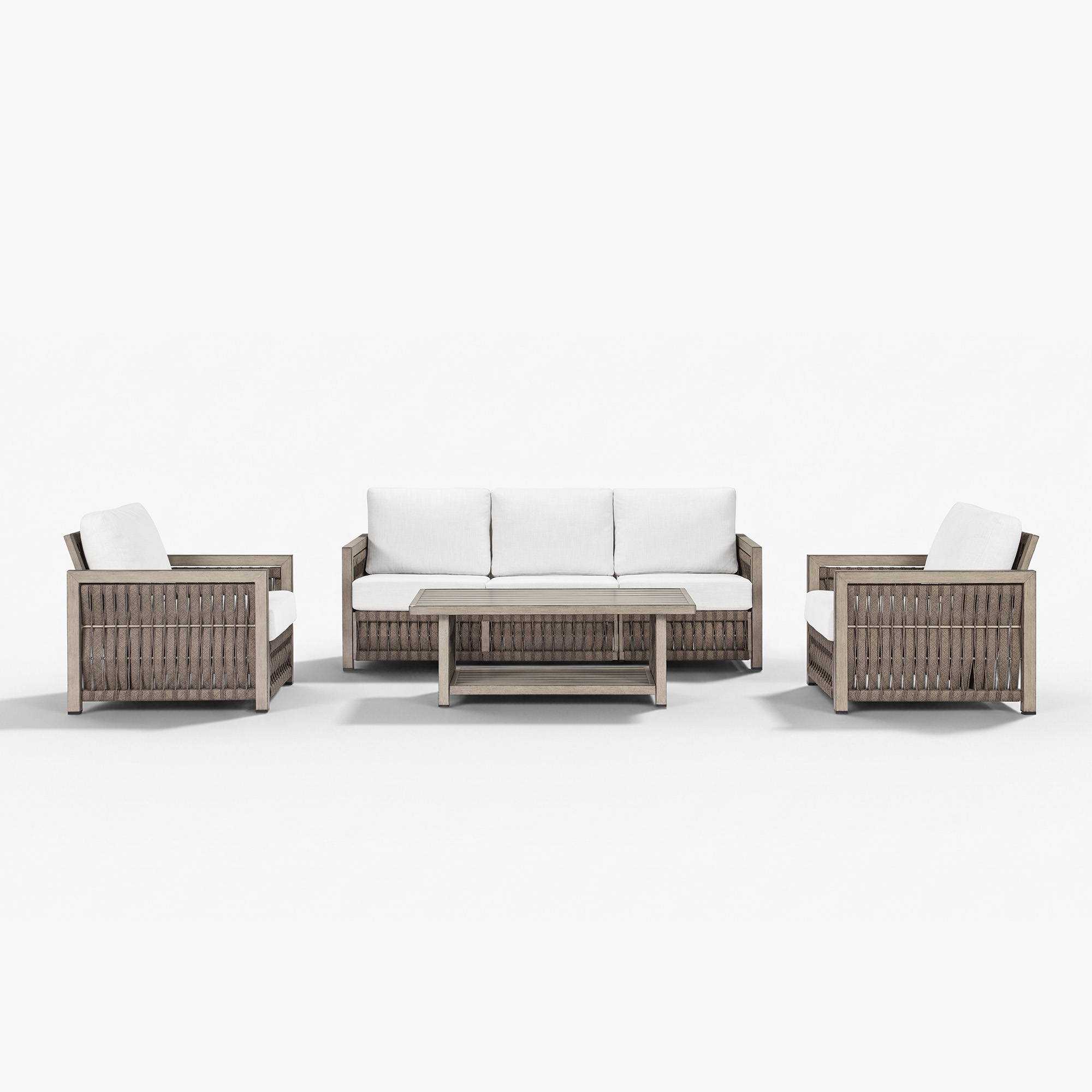
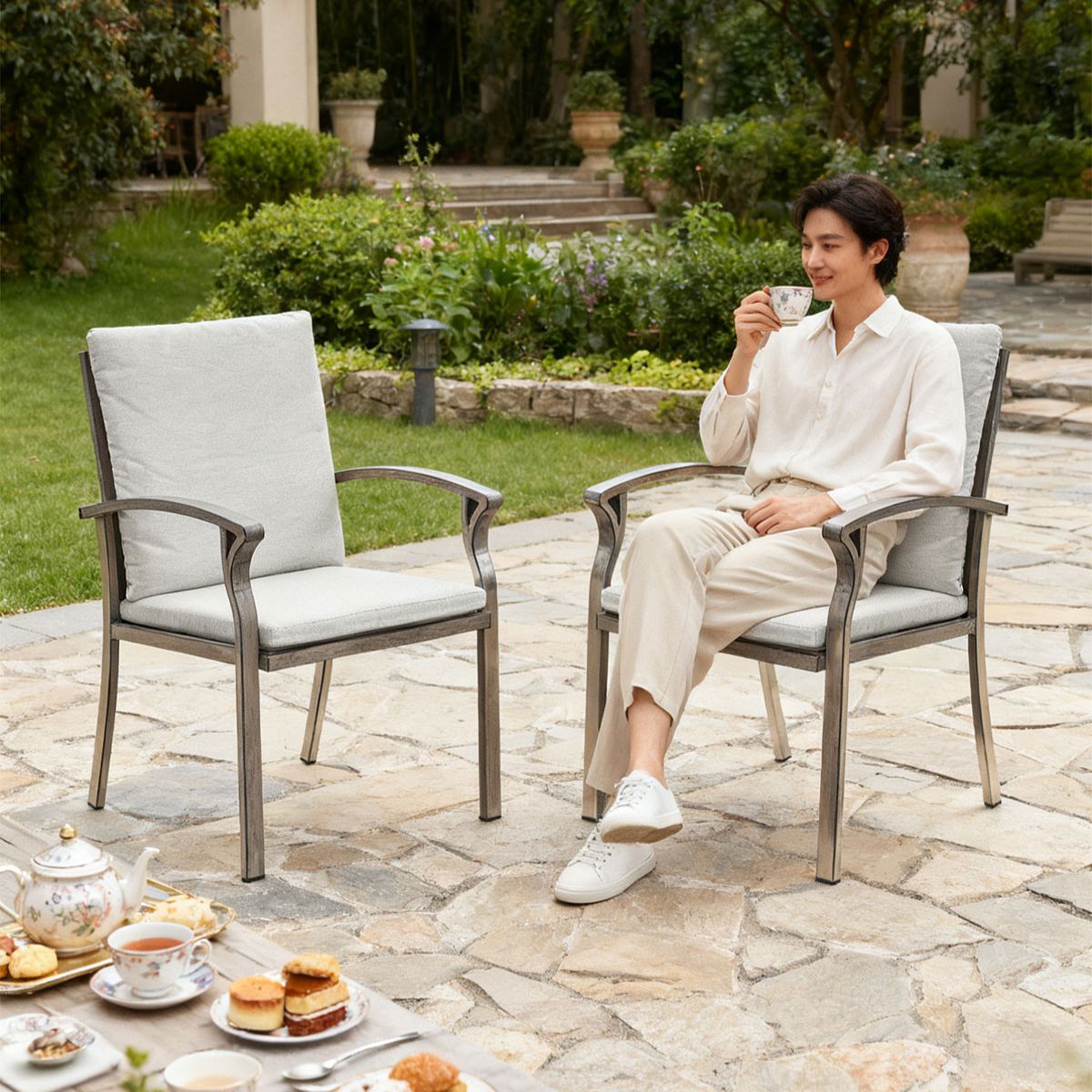
2-piece patio sofa armchair deep seating has become a leading choice for modern outdoor relaxation areas. Homeowners now treat patios like indoor living rooms. Comfortable furniture creates a welcoming atmosphere for daily use and weekend gatherings. Many families invest in outdoor upgrades because entertaining guests outdoors feels more casual and spacious. Designers also favor larger seating because it improves visual balance on open patios. Resort-inspired layouts influence residential furniture demand across many markets. Deep cushions and wider armrests create stronger comfort impressions immediately. Social media photography also increases interest in stylish outdoor seating combinations. Consumers now expect outdoor furniture to support long sitting periods comfortably. Flexible sectional arrangements provide practical advantages for changing family activities throughout the year.
Why 2-Piece Patio Sofa Armchair Deep Seating Improves Comfort
Comfort remains the strongest reason behind the popularity of 2-piece patio sofa armchair deep seating in residential spaces. Deeper seat structures support the lower back and upper legs more effectively. Thick cushions reduce pressure around the hips during extended sitting sessions. Wide armrests create better elbow positioning while reading or relaxing outdoors. Many outdoor chairs feel rigid because manufacturers prioritize appearance over ergonomic design. Deep seating furniture balances appearance and physical support successfully. High-density foam maintains cushion structure after repeated daily use. Quality suspension systems also improve weight distribution across the frame. Relaxed seating positions encourage longer conversations and more comfortable family gatherings. Outdoor furniture buyers increasingly prefer products that deliver indoor-style comfort without sacrificing weather resistance or structural stability.
Material Selection Shapes Long-Term Durability
Material quality strongly affects furniture lifespan, outdoor performance, and maintenance requirements. Powder-coated aluminum frames resist rust effectively in humid climates and coastal environments. Manufacturers often combine aluminum with PE rattan for better visual texture and weather durability. PE rattan handles ultraviolet exposure better than natural wicker materials. Olefin fabric cushions resist fading because the color enters the fiber during production. Solution-dyed acrylic fabrics also maintain color consistency under strong sunlight exposure. Fast-drying foam reduces moisture retention after rainfall or poolside use. Stainless steel hardware prevents corrosion around frame connections and support brackets. Reliable materials reduce replacement frequency and long-term ownership costs significantly. Outdoor furniture durability depends heavily on proper engineering, fabric technology, and structural reinforcement throughout the entire seating system.
Space Planning Benefits for Different Patio Sizes
Many homeowners choose modular outdoor furniture because flexible arrangements improve space efficiency substantially. Small balconies benefit from compact seating layouts with open walking paths around furniture edges. Medium patios support conversational seating groups without creating visual crowding. Larger backyards often combine lounge seating with dining furniture for multifunctional outdoor zones. Two-piece arrangements simplify movement during seasonal layout adjustments or social events. Separate seating components also create more customization opportunities for homeowners. Designers frequently position armchairs near fire pits, pool decks, or garden pathways. Balanced furniture placement improves traffic flow across outdoor entertainment spaces. Deep seating furniture works well beside coffee tables because lower seating heights encourage relaxed interaction. Flexible patio planning increases overall comfort while maintaining practical accessibility throughout the outdoor environment.
Cushion Engineering Supports Better Seating Experience
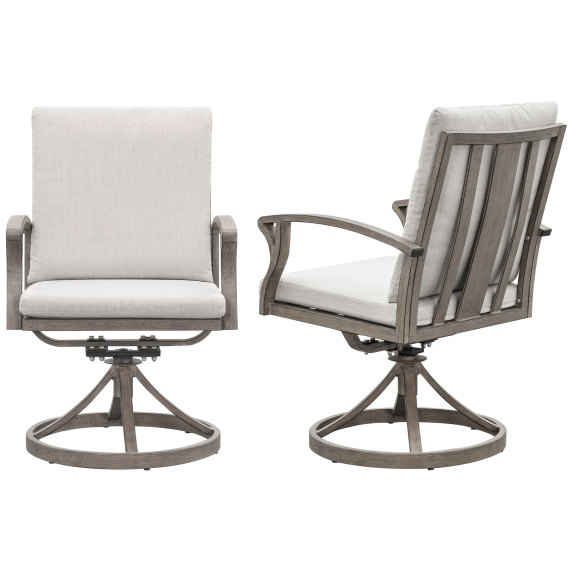
Cushion construction directly influences comfort consistency, moisture control, and long-term seating performance outdoors. Manufacturers usually select polyurethane foam because it balances resilience and softness effectively. Quick-dry foam structures contain larger internal air channels for faster moisture evaporation. Protective fabric covers shield interior foam from rainwater and dirt accumulation. Double-stitched seams reduce separation risks during repeated compression cycles. Cushion thickness also affects body alignment and pressure distribution during longer sitting sessions. Many premium outdoor cushions include layered foam densities for improved ergonomic performance. UV-resistant fabric coatings slow fading and fiber deterioration under constant sunlight exposure. Durable zipper systems simplify cushion cover cleaning and replacement. Strong cushion engineering supports better comfort while extending outdoor furniture lifespan across different weather conditions and seasonal environments.
Style Flexibility Matches Modern Exterior Design
Modern homeowners prefer outdoor furniture that complements architectural themes and landscaping styles naturally. Neutral tones such as beige, gray, black, and sand remain highly popular across many regions. Clean furniture lines create a contemporary appearance without excessive decorative elements. Coastal-inspired patios often combine woven textures with lighter cushion fabrics and wooden accessories. Industrial outdoor spaces typically feature darker aluminum frames and minimalist seating arrangements. Deep seating furniture blends successfully with many decorative styles because proportions remain visually balanced. Accent pillows introduce seasonal color changes without replacing core furniture pieces. Large seating silhouettes also create stronger visual presence on spacious patios. Designers frequently pair outdoor rugs and low-profile tables beside lounge seating. Coordinated outdoor styling increases property appeal while creating more comfortable entertainment environments for guests and family members.
Comparison Between Deep Seating and Standard Patio Chairs
| Feature | Deep Seating Furniture | Standard Patio Chairs |
|---|---|---|
| Seat Depth | Usually 24-30 inches | Usually 18-22 inches |
| Cushion Thickness | Thick multi-layer foam | Thin standard padding |
| Comfort Duration | Supports extended sitting | Better for short seating periods |
| Design Style | Relaxed residential appearance | Compact functional appearance |
| Typical Placement | Lounges and entertainment areas | Dining or small patios |
| Maintenance Needs | Moderate cushion care | Lower maintenance demand |
Deep seating furniture creates a more residential atmosphere compared with traditional patio seating products. Standard patio chairs prioritize compact dimensions and dining functionality instead of extended comfort. Deep cushions encourage lounging because body posture remains more relaxed throughout longer conversations. Larger furniture profiles also improve visual luxury across premium outdoor spaces. Traditional chairs suit narrow balconies and dining arrangements more effectively because they occupy less floor area. Buyers should evaluate patio size, seating habits, and maintenance expectations before selecting furniture categories. Comfort-focused households usually prefer lounge-style seating because family members spend longer periods outdoors. Hospitality businesses also favor larger seating systems because customers associate oversized cushions with premium service quality and relaxation.
Maintenance Practices Extend Furniture Lifespan
Outdoor furniture lasts longer when owners follow consistent maintenance procedures throughout changing weather conditions. Soft brushes remove dust and pollen without damaging protective frame coatings. Mild soap solutions clean most outdoor fabrics safely without weakening fiber structure. Cushion covers should dry completely before storage to prevent mildew development. Furniture covers protect seating systems from prolonged moisture exposure during rainy seasons. Aluminum frames benefit from occasional rinsing because salt accumulation accelerates surface deterioration near coastal areas. Stainless steel connectors also require periodic inspection for corrosion or loosening. Proper airflow around stored cushions reduces trapped humidity and unpleasant odors. Seasonal maintenance improves structural reliability while preserving furniture appearance over many years. Consistent cleaning routines reduce repair costs and support better long-term outdoor furniture performance.
Important Factors Before Buying Outdoor Lounge Furniture
- Cushion thickness above five inches improves comfort consistency.
- Powder-coated aluminum resists corrosion more effectively outdoors.
- Olefin fabrics maintain stronger ultraviolet resistance.
- Quick-dry foam reduces moisture retention after rain exposure.
- Wide armrests support better relaxation during long sitting sessions.
- Adjustable feet improve stability on uneven patio surfaces.
- Modular layouts increase arrangement flexibility for gatherings.
- Reinforced frame joints improve structural durability significantly.
These buying considerations influence furniture performance more than decorative appearance alone. Many consumers focus heavily on color selection while ignoring structural engineering details completely. Frame strength determines long-term reliability during repeated daily use and changing weather conditions. Fabric quality also affects maintenance requirements and visual consistency over time. Buyers should examine stitching quality, cushion density, and hardware materials before purchasing outdoor seating systems. Reputable manufacturers usually provide material specifications and warranty information clearly. Product testing standards also reveal important information regarding load capacity and weather durability. Careful product comparison prevents premature replacement costs while improving long-term customer satisfaction. Outdoor furniture performs best when comfort, durability, and structural engineering receive equal attention during the selection process.
Why 2-Piece Patio Sofa Armchair Deep Seating Fits Modern Lifestyles
2-piece patio sofa armchair deep seating supports modern lifestyle habits focused on comfort, flexibility, and social interaction. Families now spend more leisure time outdoors after work and during weekends. Comfortable lounge seating encourages longer conversations between friends and relatives. Many homeowners create outdoor reading corners beside gardens or swimming pools. Remote workers also use patios for informal work sessions during pleasant weather conditions. Spacious seating improves comfort during movie nights, outdoor dining events, and casual gatherings. Deep seating furniture adapts easily to changing entertainment needs because layouts remain highly flexible. Pet owners also appreciate wider seating dimensions for shared relaxation outdoors. Comfortable patio arrangements increase residential property appeal and perceived lifestyle quality. Outdoor living spaces now function as important extensions of interior residential design concepts.
Market Preferences Continue Expanding
Global outdoor furniture demand continues growing because consumers increasingly prioritize home comfort investments. Hospitality businesses influence residential trends through luxury hotel and resort furniture designs. Online retail platforms also increase product visibility across international markets rapidly. Customers can compare dimensions, materials, and styles more efficiently through digital shopping platforms. Manufacturers now produce weather-resistant fabrics with stronger environmental performance and longer service life. Sustainable materials also receive greater attention from environmentally conscious consumers. Premium outdoor seating products often include modular construction for easier transportation and storage efficiency. Market competition encourages better engineering standards and broader style availability across different price categories. Consumer expectations continue rising regarding comfort, durability, and visual quality. Outdoor lounge furniture remains one of the fastest-growing categories within residential home improvement markets.
Conclusion
Outdoor furniture popularity continues expanding because homeowners value comfort, flexibility, and long-term durability more than ever before. Spacious seating designs support modern entertainment habits and daily relaxation routines successfully. Material innovations improve weather resistance while reducing maintenance demands across many climates. Deep seating systems also create stronger visual impact within contemporary patio layouts. Flexible arrangements help homeowners maximize both large and compact outdoor spaces efficiently. Buyers increasingly prefer furniture that combines indoor comfort with outdoor durability standards. Premium fabrics, corrosion-resistant frames, and ergonomic cushions improve overall ownership satisfaction significantly. Thoughtful furniture selection strengthens outdoor functionality while increasing residential lifestyle appeal. Comfortable patios now represent an important extension of modern residential living environments and social interaction spaces.
FAQ
How long does deep seating patio furniture usually last?
High-quality outdoor lounge furniture often lasts between eight and fifteen years with proper maintenance practices. Powder-coated aluminum frames usually provide the strongest corrosion resistance in humid climates. PE rattan materials also maintain structural stability during prolonged sunlight exposure. Cushion lifespan depends heavily on fabric quality, foam density, and moisture protection systems. Olefin and solution-dyed acrylic fabrics normally resist fading better than lower-grade polyester materials. Regular cleaning improves appearance while reducing mildew growth around cushions and frame joints. Furniture covers also protect seating from rain, dirt accumulation, and ultraviolet damage. Proper seasonal storage extends product lifespan significantly. Durable engineering and quality materials remain the most important factors behind long-term outdoor furniture performance.
Which materials perform best in humid outdoor environments?
Aluminum frames perform exceptionally well because they resist rust and structural deterioration effectively. Powder-coated finishes add another protective layer against moisture and salt exposure near coastal areas. PE rattan also works successfully in humid climates because synthetic fibers resist cracking and mold development. Olefin fabrics dry quickly and maintain color consistency during prolonged outdoor exposure. Solution-dyed acrylic fabrics deliver excellent ultraviolet protection and strong resistance against fading. Stainless steel hardware improves durability around frame connections and support brackets. Quick-dry foam cushions reduce internal moisture retention after rain or poolside use. Teak wood also performs well outdoors because natural oils improve moisture resistance naturally. Material quality directly influences outdoor furniture durability, comfort consistency, and maintenance requirements.
Is deep seating suitable for small patios or balconies?
Deep seating furniture can work successfully in compact outdoor spaces when homeowners select appropriate dimensions carefully. Two-piece layouts improve flexibility because separate components simplify arrangement adjustments. Smaller balconies benefit from narrow-profile armchairs paired with compact side tables instead of oversized sectionals. Light-colored cushions also create a more open visual appearance across restricted spaces. Homeowners should maintain clear walking paths around furniture to improve accessibility and overall comfort. Multi-functional furniture pieces increase practicality without overcrowding smaller patios. Modular arrangements support seasonal layout changes for gatherings or personal relaxation needs. Buyers should always measure patio dimensions before purchasing large seating systems. Balanced furniture proportions create better visual harmony while preserving usable outdoor space efficiently.