
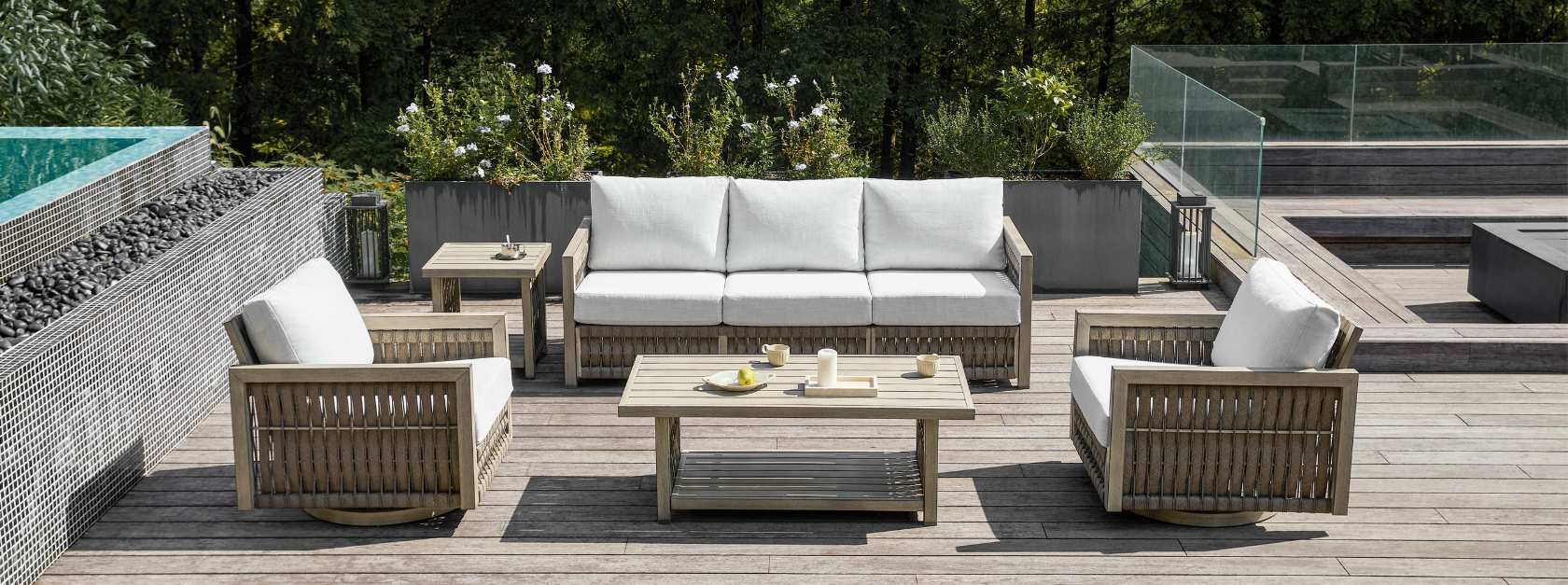
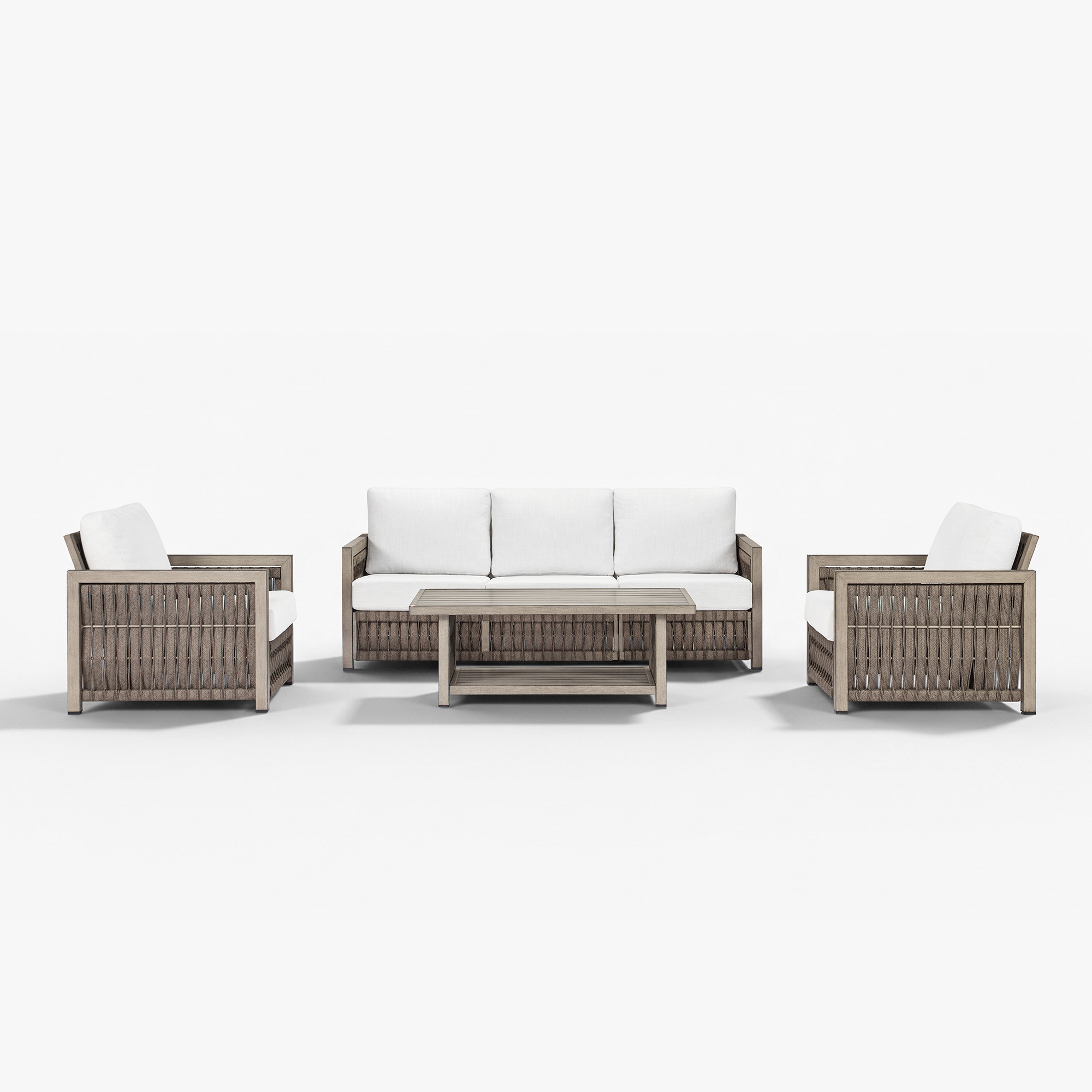

Rust proof garden furniture is designed to remain reliable across spring rain, summer heat, autumn moisture, and winter cold. rust proof garden furniture performs consistently despite seasonal environmental changes. Gardens experience fluctuating humidity, temperature shifts, and surface moisture throughout the year. Ordinary outdoor furniture often degrades under these cycles. rust proof garden furniture resists oxidation through material engineering and surface protection. Seasonal durability depends on more than appearance. Structural stability, moisture control, and thermal tolerance influence year-round usability. Garden settings expose furniture to soil moisture and plant irrigation. These factors explain why all-season performance matters for long-term outdoor use.
Rust proof garden furniture and Year-Round Outdoor Stability
Rust proof garden furniture maintains stability through seasonal transitions. Spring introduces frequent rain and soil moisture. Summer brings intense sunlight and heat expansion. Autumn adds falling debris and humidity. Winter exposes furniture to frost and condensation. rust proof garden furniture accommodates these variations without structural compromise. Materials resist corrosion reactions triggered by moisture. Protective coatings remain flexible under temperature changes. Joints are engineered to reduce stress fatigue. Stability across seasons results from anticipating environmental cycles. Garden furniture remains functional when design considers long-term exposure patterns rather than short-term weather events.
Materials That Enable rust proof garden furniture for All Seasons
Material selection defines rust proof garden furniture performance across seasons. Aluminum alloys resist corrosion and temperature stress. Stainless steel forms passive layers that block oxidation. Resin-coated metals prevent moisture penetration. Composite materials reduce metal exposure points. Each material reacts differently to seasonal conditions. Cold temperatures stiffen some metals. Heat causes expansion and contraction. rust proof garden furniture uses materials with stable thermal behavior. Consistent performance prevents cracking and warping. Material durability ensures year-round reliability. Garden furniture longevity depends on chemical resistance and physical resilience.
Performance in Spring and Rainy Seasons
Rust proof garden furniture performs reliably during spring rainfall. Increased moisture accelerates corrosion in untreated furniture. rust proof garden furniture blocks water infiltration at joints. Drainage-aware designs prevent pooling on surfaces. Spring gardening increases irrigation frequency. Soil moisture contacts furniture legs regularly. Elevated frames reduce ground moisture absorption. Protective coatings repel water and dirt. Spring debris does not adhere easily to treated surfaces. rust proof garden furniture remains visually consistent despite frequent cleaning. Rain resistance supports uninterrupted outdoor use during seasonal transitions.
Rust proof garden furniture Use During Summer Heat and Sun Exposure
Rust proof garden furniture endures summer heat without degradation. High temperatures accelerate chemical reactions on metal surfaces. rust proof garden furniture minimizes oxidation through stable materials. UV exposure weakens ordinary coatings over time. Protective finishes resist UV breakdown effectively. Summer heat causes metal expansion. Poor designs crack under repeated expansion cycles. rust proof garden furniture absorbs thermal stress evenly. Ventilated designs reduce surface heat buildup. Comfort remains consistent during prolonged outdoor use. Summer durability depends on thermal compatibility and surface resilience.
Rust proof garden furniture in Autumn Humidity and Debris Conditions
Autumn introduces humidity and organic debris. Leaves trap moisture against furniture surfaces. rust proof garden furniture resists corrosion despite prolonged damp contact. Smooth finishes reduce debris adhesion. Moisture evaporates more quickly from treated surfaces. Structural joints remain sealed against infiltration. Autumn temperature swings stress untreated metals. rust proof garden furniture tolerates gradual cooling without brittleness. Seasonal debris removal becomes easier with protective coatings. Performance during autumn supports continuous garden usability without frequent repairs.
Through Winter Cold and Frost
Rust proof garden furniture withstands winter exposure better than standard furniture. Cold temperatures slow chemical reactions but introduce condensation. rust proof garden furniture resists moisture-related corrosion during freeze-thaw cycles. Condensation forms when temperatures fluctuate. Protective layers prevent water penetration into metal pores. Structural designs accommodate contraction without cracking. Elevated furniture reduces snow and ice contact. Winter storage becomes optional rather than mandatory. rust proof garden furniture maintains integrity through seasonal dormancy. Reliability during winter preserves readiness for spring use.
- Spring rain resistance through sealed joints
- Summer heat tolerance via thermal stability
- Autumn humidity management with smooth coatings
- Winter frost endurance through material resilience
These seasonal characteristics explain all-season suitability. Each season introduces unique stress factors. rust proof garden furniture addresses them through integrated design. Continuous usability reduces replacement frequency. Seasonal adaptability supports long-term outdoor investment.
Garden and Patio Layout Scenarios Across Different Seasons
Seasonal layout influences rust proof garden furniture performance. Spring gardens emphasize open airflow. Furniture placement avoids low-lying wet zones. Summer layouts focus on shaded seating areas. Direct sun exposure affects surface temperature. Autumn arrangements account for falling debris patterns. Furniture positioned away from trees reduces moisture retention. Winter layouts consider snow accumulation paths. Elevated placement minimizes ice contact. rust proof garden furniture adapts to each scenario without material compromise. Flexible layout options improve year-round usability. Seasonal planning complements furniture durability.
Compared With Conventional Garden Furniture
This comparison highlights long-term advantages clearly. Seasonal stress reveals design differences quickly. rust proof garden furniture maintains form and function. Conventional furniture struggles under repeated exposure. Performance stability reduces lifecycle costs. All-season reliability supports continuous outdoor enjoyment.
Maintenance Practices Supporting All-Season Performance
Maintenance enhances rust proof garden furniture longevity. Seasonal cleaning removes debris and residue. Mild detergents preserve protective coatings. Inspection identifies surface wear early. Touch-up treatments restore protection quickly. Winter covers reduce snow accumulation. Proper placement improves airflow year-round. rust proof garden furniture requires less intervention than standard options. Maintenance complements engineered resistance rather than replacing it. Consistent care ensures predictable performance across seasons.
Misconceptions About All-Season Garden Furniture
Many assume all-season furniture needs no care. rust proof garden furniture resists corrosion but still ages. Some believe winter storage is unnecessary. Severe climates still impose stress. Others assume heavier furniture lasts longer. Weight does not equal durability. Material science determines performance. rust proof garden furniture excels when expectations align with design intent. Misunderstandings reduce satisfaction. Knowledge supports informed outdoor planning.
Long-Term Value of rust proof garden furniture for Gardens
Long-term value emerges from reduced replacement cycles. rust proof garden furniture maintains appearance over years. Structural integrity supports repeated seasonal use. Reduced maintenance saves time and cost. Gardens benefit from consistent layout planning. Furniture remains ready for spontaneous use. All-season reliability supports lifestyle flexibility. rust proof garden furniture aligns with sustainable outdoor investment. Value extends beyond immediate durability into usability continuity.
FAQ
Why does rust proof garden furniture perform better across all seasons?
Rust proof garden furniture performs better due to integrated material and design strategies. Materials resist corrosion at a chemical level. Protective coatings block moisture penetration. Structural designs accommodate temperature fluctuations. Seasonal stress factors are anticipated during manufacturing. Spring rain, summer heat, autumn humidity, and winter frost affect furniture differently. rust proof garden furniture addresses each condition systematically. Combined resistance ensures consistent performance. All-season suitability results from cumulative engineering rather than isolated features.
Can rust proof garden furniture stay outdoors during winter months?
Rust proof garden furniture can remain outdoors during winter with precautions. Materials tolerate cold temperatures without cracking. Protective coatings prevent moisture intrusion during freeze-thaw cycles. Elevated placement reduces snow contact. Covers minimize ice accumulation. Extreme climates may still benefit from partial shelter. Year-round outdoor placement is feasible with basic care. rust proof garden furniture offers flexibility rather than mandatory storage. Winter readiness supports continuous usability.
How should rust proof garden furniture be arranged for different seasons?
Seasonal arrangement improves performance and comfort. Spring placement avoids wet soil zones. Summer layouts prioritize shade and airflow. Autumn positioning reduces debris accumulation. Winter arrangement considers snow and ice paths. rust proof garden furniture adapts to flexible layouts. Structural durability supports repositioning. Thoughtful arrangement complements material resistance. Seasonal planning enhances longevity and usability.